Smart Water Bottles Don't Cut Kidney Stone Recurrence — SkimNews
SkimNews Take
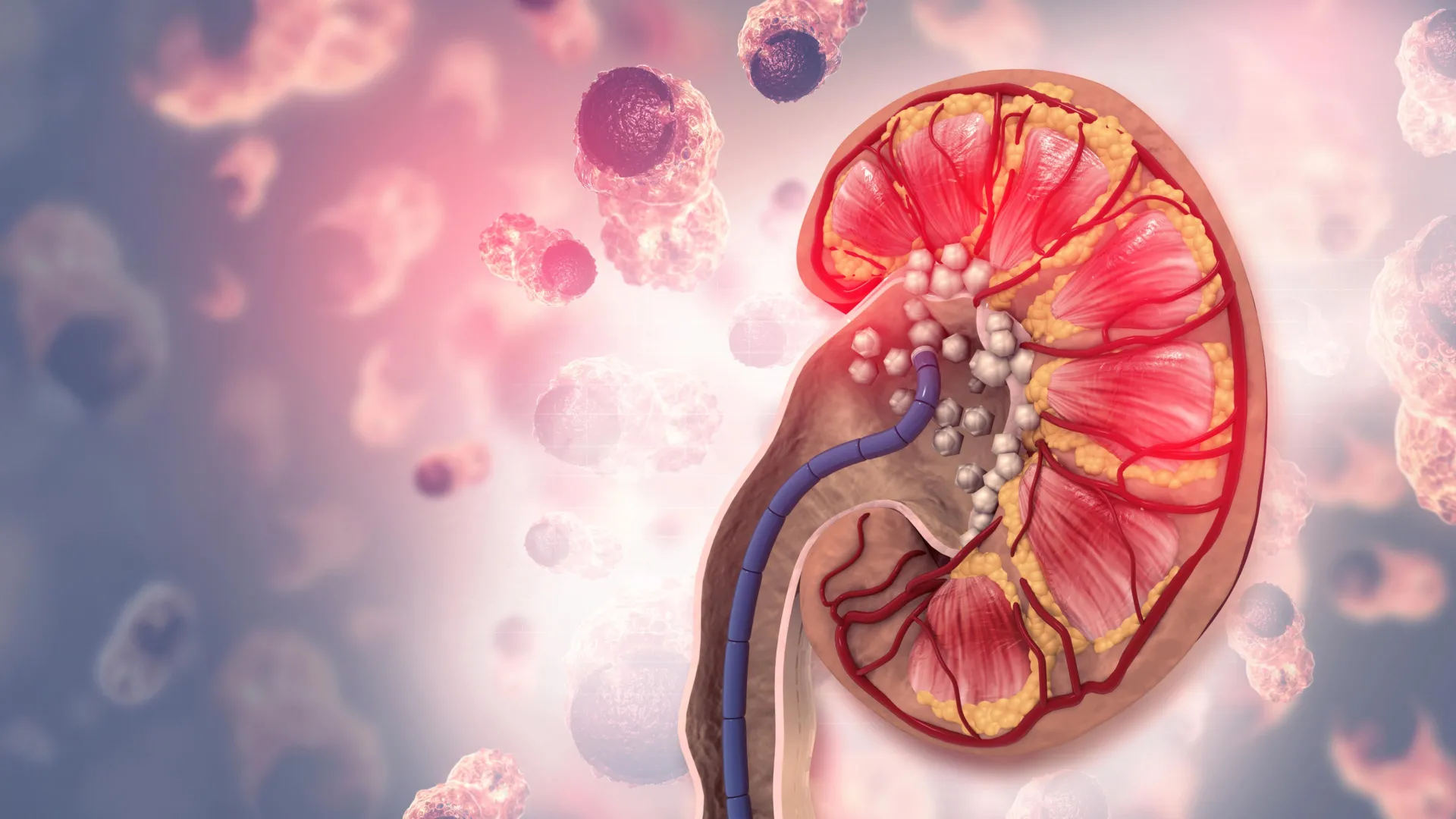
The body's complex physiological response to fluid intake, rather than simply the volume consumed, may be the primary determinant of kidney stone formation.
Get the Health newsletter
Daily health & science — research, biotech, public health, the studies worth knowing. Free.
- The randomized clinical trial enrolled 1,658 adolescents and adults across six major U.S. clinical centers and followed them for two years to assess kidney stone recurrence.
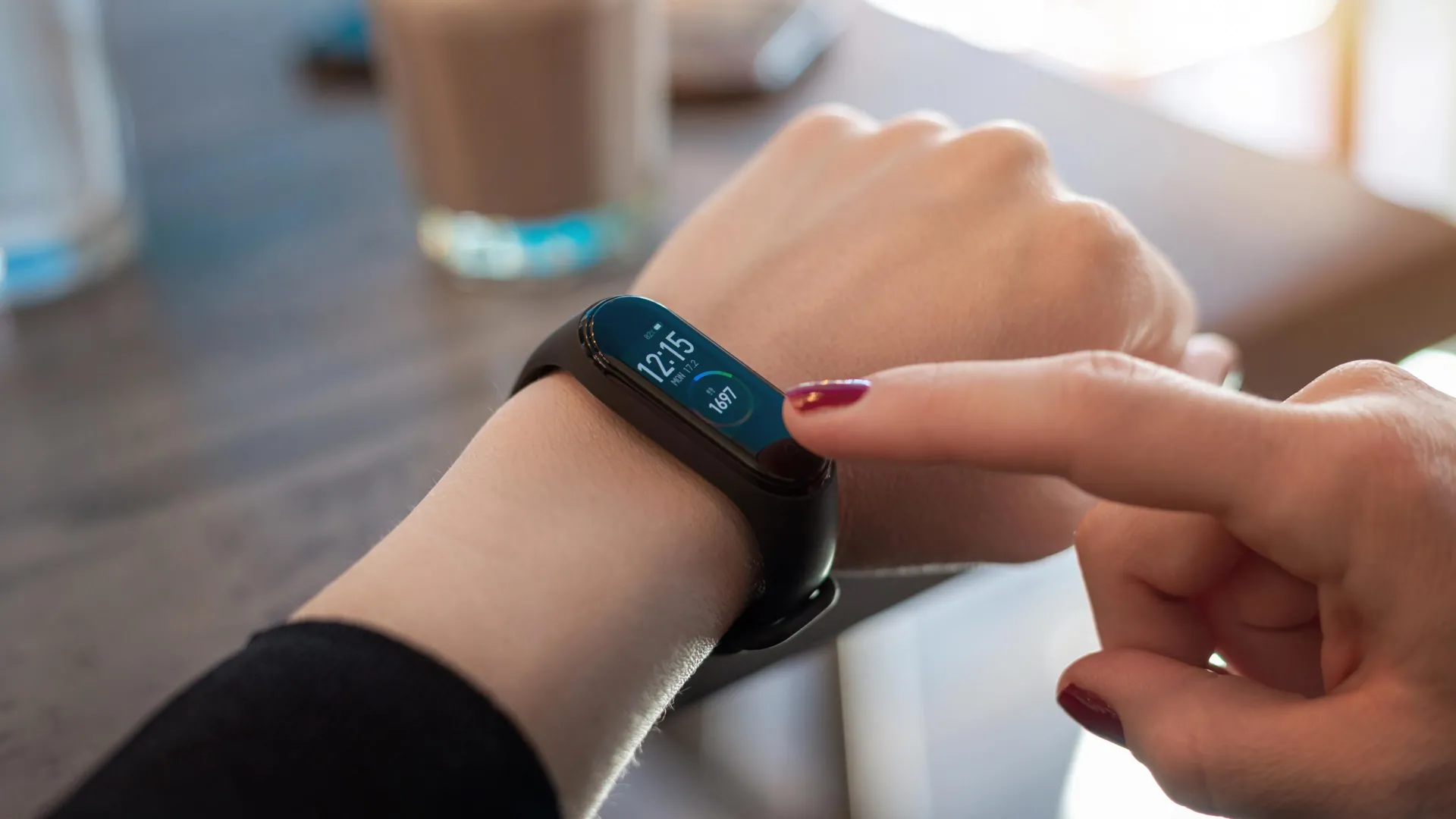
- The behavioral hydration program provided Bluetooth-enabled smart water bottles, personalized fluid prescriptions, reminder texts, health coaching, and financial incentives, leading participants to increase fluid intake and urine output.
- The trial results showed that despite increased fluid consumption, the program did not significantly reduce the rate of symptomatic kidney stone recurrence compared with standard care.
- Researchers highlighted that achieving and maintaining very high fluid intake is more challenging than assumed, contributing to high recurrence rates.
- The study suggests that a single fluid target may not work for everyone and calls for individualized hydration goals and additional interventions.
- Funding for the study came from the National Institute of Diabetes and Digestive and Kidney Diseases (NIDDK).
- Authors such as Charles Scales and Gregory Tasian emphasized the need for personalized prevention strategies and better understanding of adherence barriers.
Why it matters: Patients with urinary stone disease remain at high risk of painful recurrences because maintaining the very high fluid intake required is difficult, even with smart bottles, reminders, coaching, and financial incentives; clinicians and insurers may need to explore personalized hydration targets or adjunctive therapies to curb costly emergency visits.
Ask SkimNews