Neena Nizar Becomes Sole Participant in Jansen's Trial — SkimNews

Get the Health newsletter
Daily health & science — research, biotech, public health, the studies worth knowing. Free.
- Neena Nizar spent 10 weeks at the NIH this summer as the one and only participant in a clinical trial for Jansen's disease, a genetic disorder affecting just 30 people worldwide — three of whom are Nizar and her two sons.
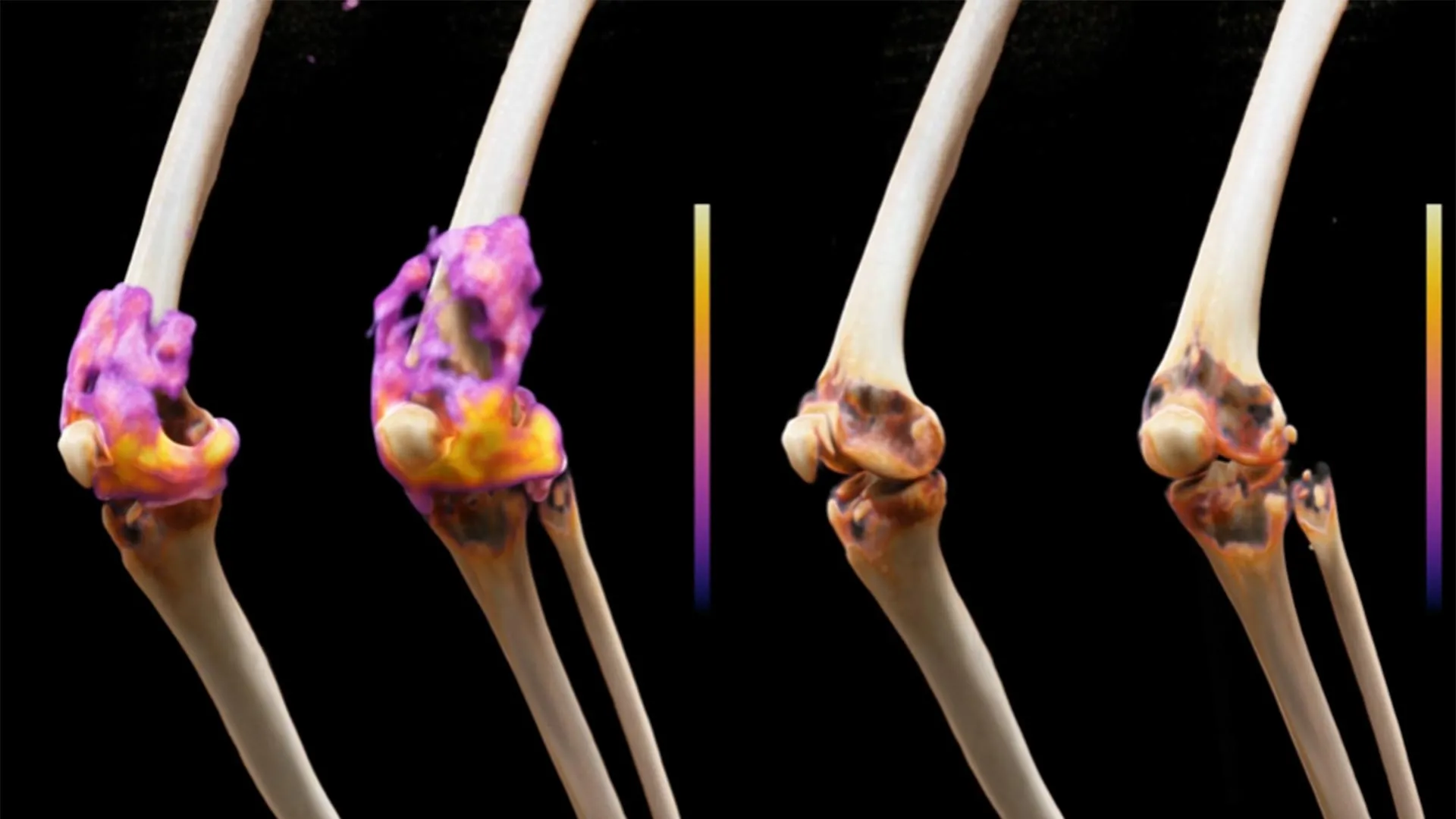
- Nizar is not expecting to be cured: Jansen's has permanently distorted her bones to the point of no return, leaving her 3 feet 9 inches tall, wheelchair-dependent, and in constant pain.
- The trial would never have happened without Nizar's advocacy, which the source frames as a case study in the herculean effort required to attract attention and funding for treatments targeting diseases too rare to interest commercial drug developers.
- Dr. Matthew Porteus, president of the American Society for Cell and Gene Therapy and director of Stanford's Center for Definitive and Curative Medicine, noted there are an estimated 6,000–10,000 rare diseases and that developing a single drug tends to cost millions of dollars — economics that rarely work when the patient pool numbers only dozens.
- The experimental drug is designed with future child participants in mind: the next enrollees will be children, with the hope that earlier intervention could shield them from the debilitating skeletal damage that has already permanently disfigured Nizar.
Why it matters: For ultra-rare diseases like Jansen's, where the entire patient population numbers in the dozens, pharmaceutical economics make commercial drug development nearly impossible. Nizar's case shows that without individual patient advocacy, promising lab research may never translate into trials — and the article explicitly calls her story a cautionary tale, not a replicable road map.
Ask SkimNews