Sunrun turns home solar+battery network into AI compute pilot — SkimNews

Get the Energy newsletter
Daily energy & climate — solar, EVs, oil, the policy fights and tech bets shaping the transition. Free.
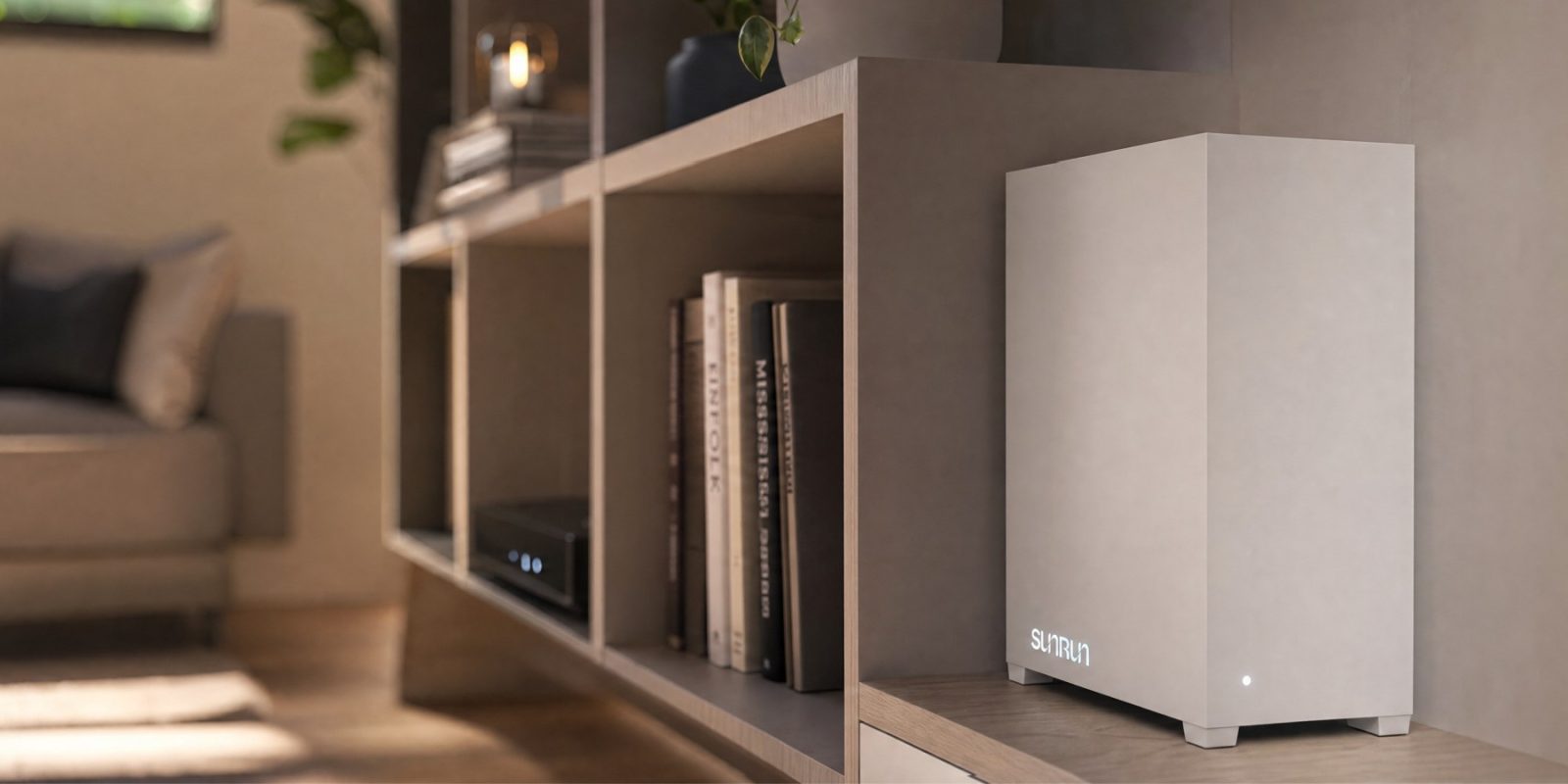
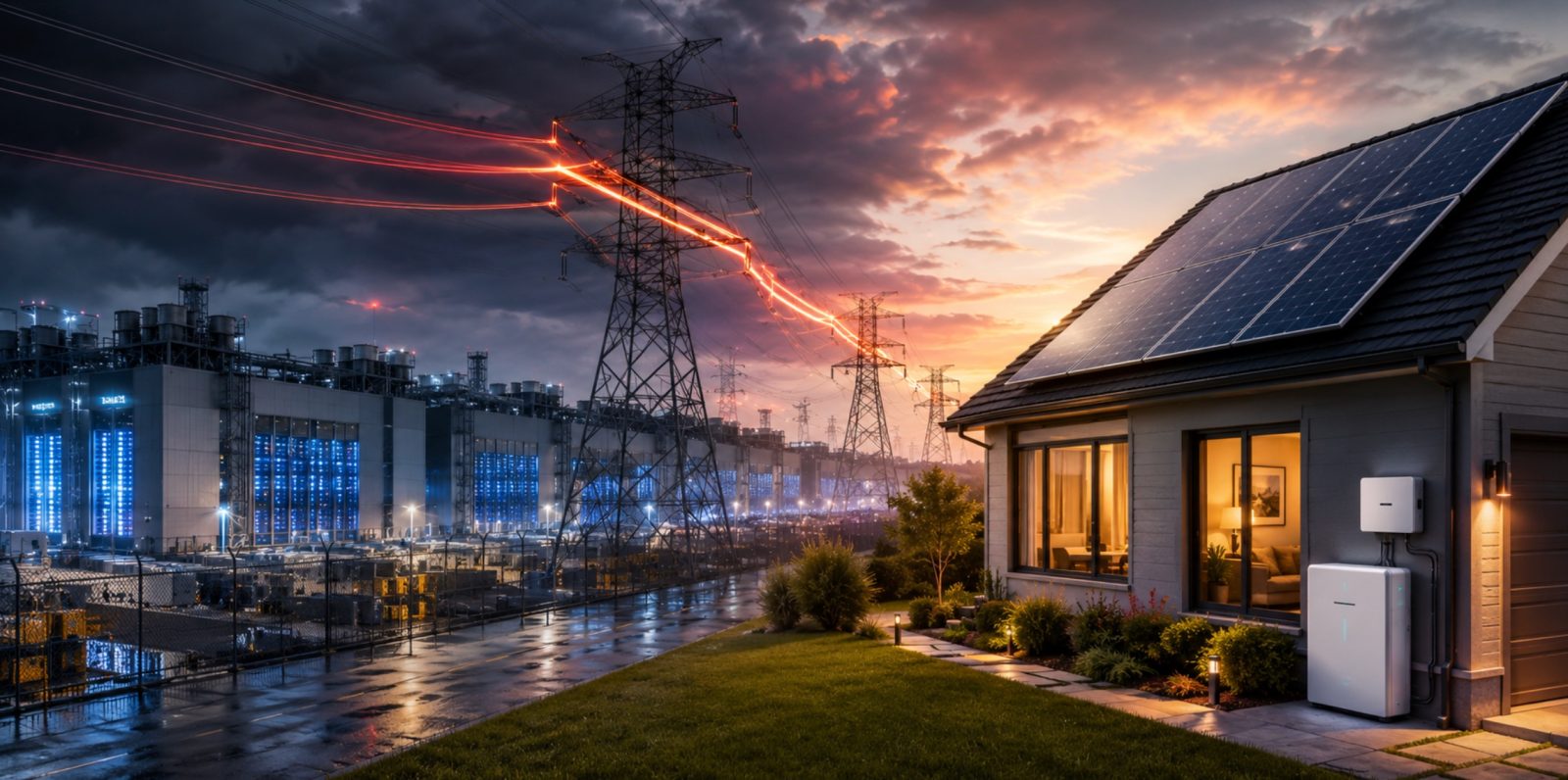
- Sunrun is expanding a "distributed data center" pilot that places computing hardware in homes already outfitted with its solar and battery energy storage systems, the company announced July 8.
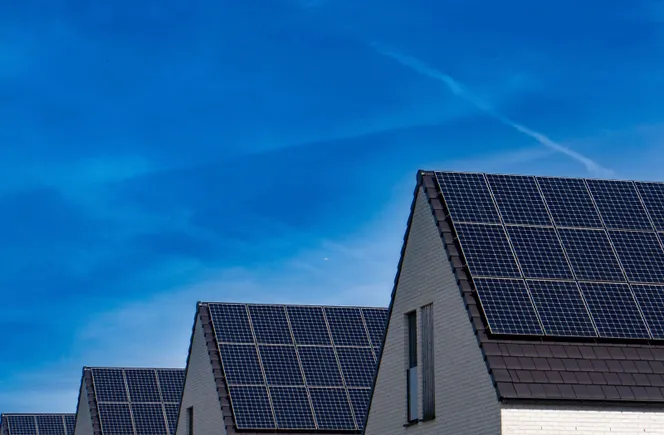
- Sunrun says its more than 1.1 million existing solar and battery customers represent an "addressable deployment base" hyperscalers "can't quickly replicate," per President and CRO Paul Dickson.
- SPAN, in partnership with NVIDIA, unveiled a similar distributed compute initiative roughly three months earlier, claiming it can deploy the compute equivalent of a 100-MW data center across 8,000 residential nodes in six months at $3 million/MW versus five years and $15 million/MW for traditional builds, per CEO Arch Rao.
- SPAN's actual announced pilot is far smaller than that theoretical scale — 1.25 MW of computing capacity across 100 new-build homes.
- University of Pennsylvania computer architect Benjamin Lee told Ars Technica valuable AI chips may be more vulnerable to digital and physical security threats in private homes and questioned whether downscaling needs to go that far, noting a 20-MW data center could provide similar grid benefits.
- Sunrun has not disclosed pilot spending or enrollment targets, launched a public waitlist, and says it expects to complete the pilot "over the coming months" before deciding on a wider rollout.
Why it matters: Sunrun's bet is that its 1.1 million solar+battery households can host AI inference faster and cheaper than centralized data centers — SPAN claims $3 million/MW and six-month deployment versus $15 million/MW and five years for traditional builds. The open question is whether residential nodes can scale safely, given a UPenn researcher's flagged security risks for high-value AI chips placed in private homes.
Ask SkimNews