Sunrun Turns Solar Homes Into Distributed AI Data Centers — SkimNews
Get the Tech newsletter
Daily tech — startups, AI labs, chips, the launches that shape the next decade. Free.
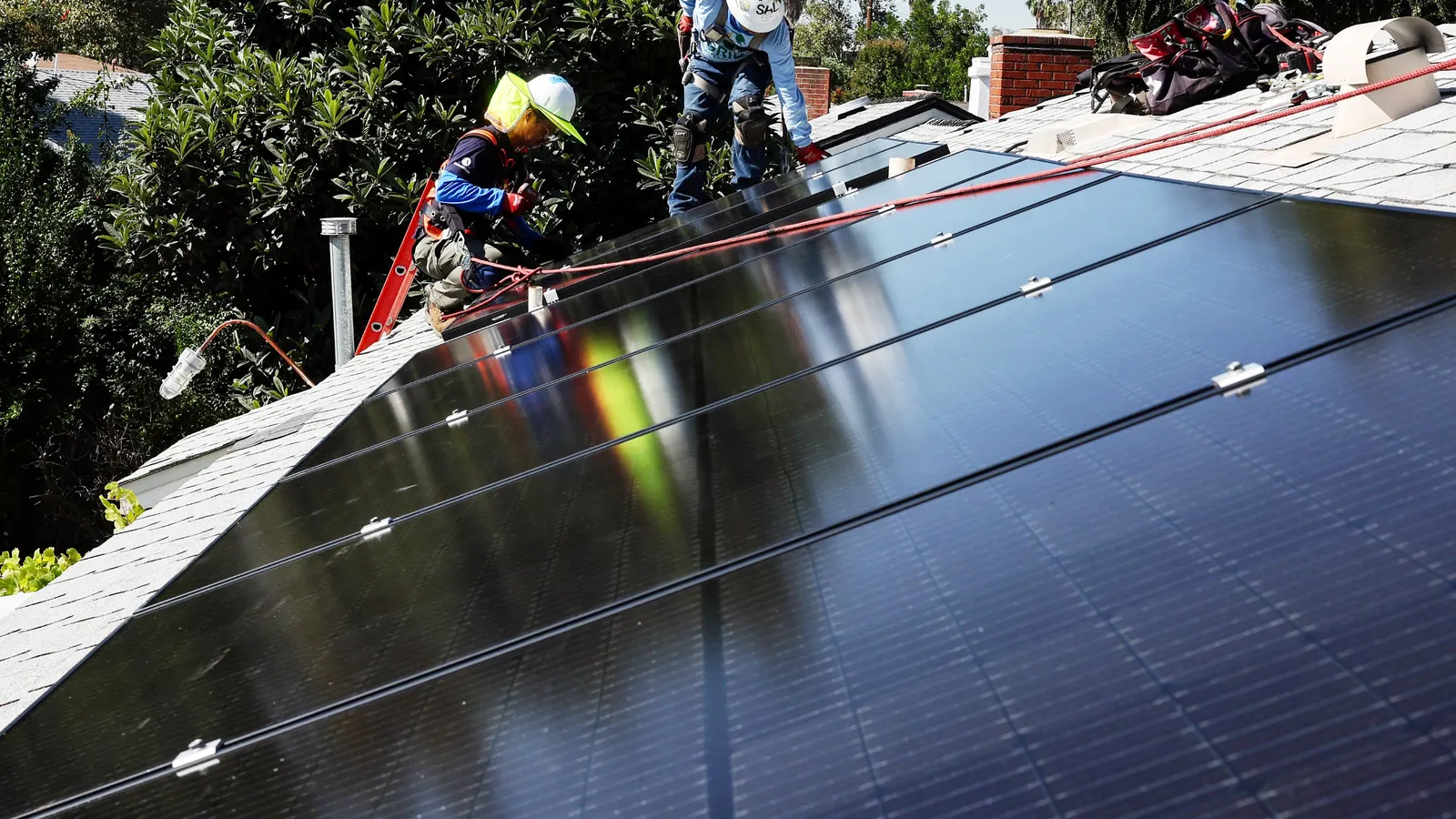
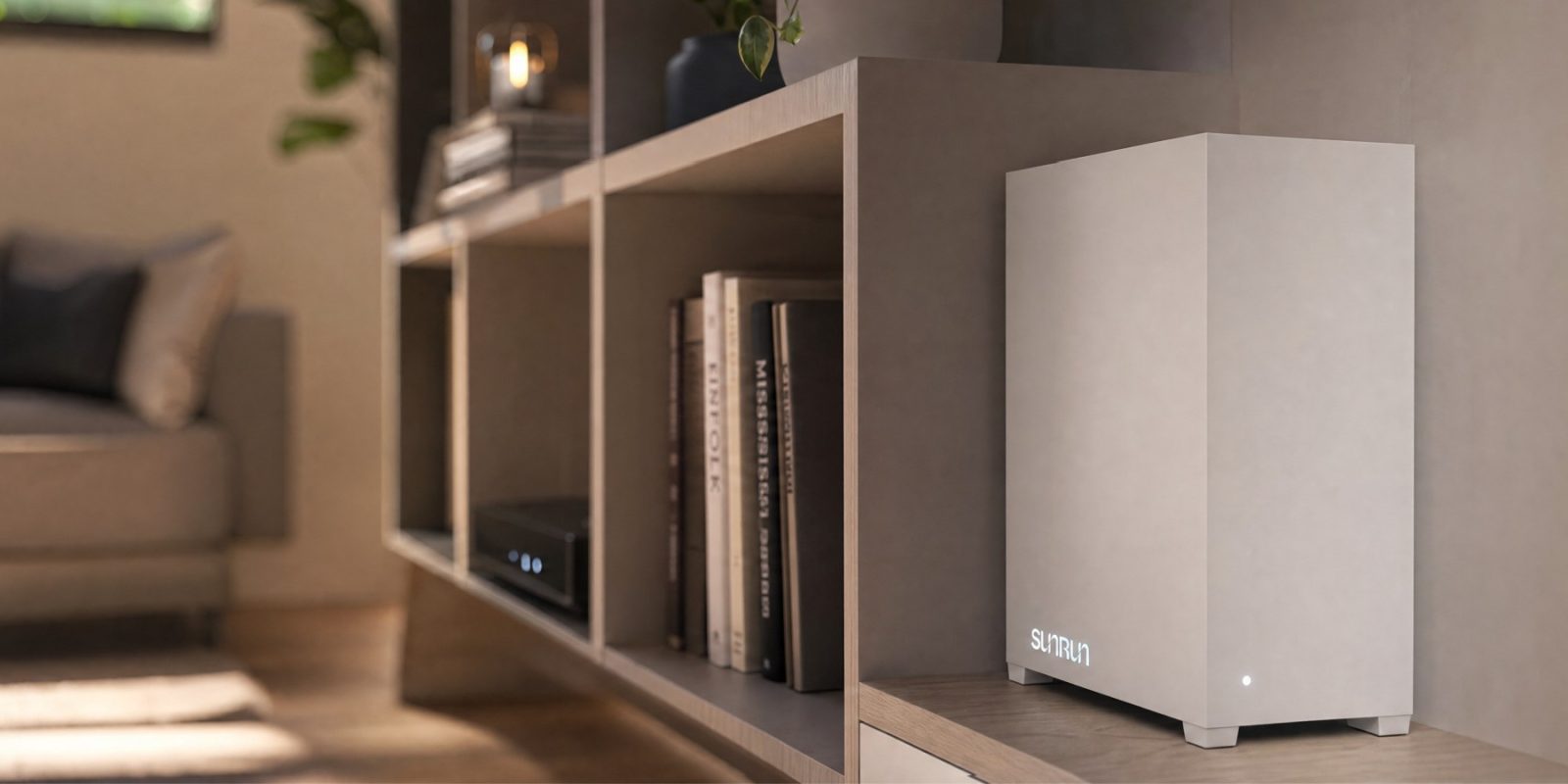
- Sunrun launched a pilot program installing AI compute nodes in homes with its solar panels and battery storage, paying homeowners to host the hardware while selling the computing capacity to enterprise customers.
- The company is leveraging its existing network of more than 1.1 million customers to process AI inference workloads, which the source notes can be spread across smaller locations and benefit from being closer to end users to reduce latency.
- Sunrun has already completed a proof of concept demonstrating both customer demand and revenue generation, and is now expanding testing under different operating conditions and electricity rate structures.
- The compute nodes sit behind customers' electric meters and are paired with home batteries, allowing them to continue operating during some power outages while reducing pressure on congested parts of the electric grid.
- Sunrun plans to run the pilot over the next few months before deciding on expansion and is already in discussions with enterprise compute customers, utilities, and homebuilders about a larger rollout.
- The pilot is separate from Sunrun's recently announced partnership with Renew Home and Tesla to aggregate more than 16 gigawatts of flexible home energy capacity for utilities and hyperscalers.
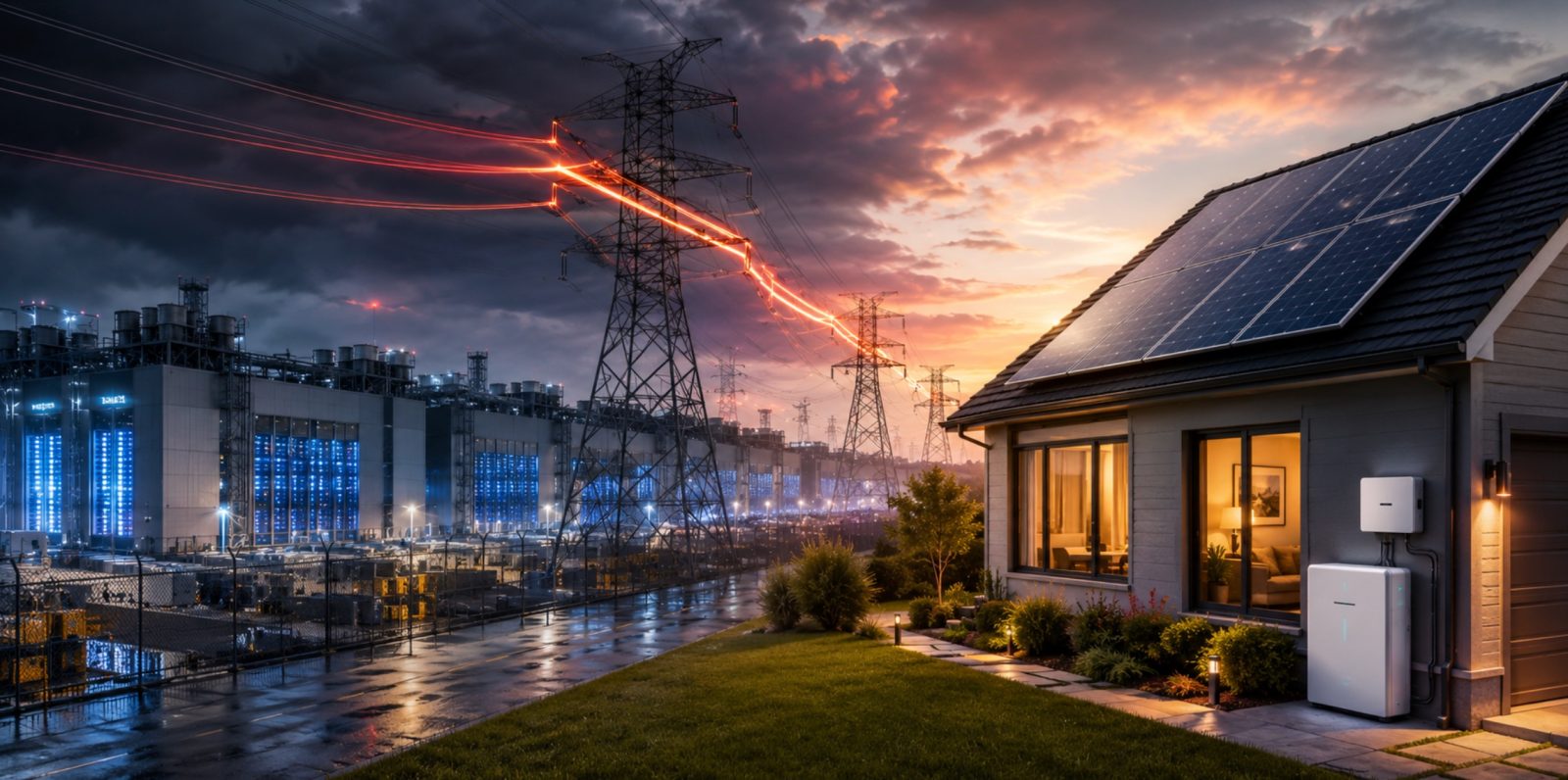
Why it matters: Sunrun's 1.1 million solar homes become a potential distributed inference network that could deploy faster than traditional AI data centers, which are bottlenecked by permitting, construction, and utility interconnection delays. Homeowners gain a new revenue stream alongside savings from solar and virtual power plant programs, while Sunrun repositions from a residential solar company into an AI infrastructure provider — tapping the same electricity-demand surge that has hyperscalers racing for capacity.
Ask SkimNews