Sunrun Pays Homeowners to Host AI Compute Nodes — SkimNews

SkimNews Take
By tying home battery systems to enterprise compute loads, the model effectively converts residential energy assets into business-critical infrastructure — shifting uptime risk and maintenance obligations onto households while the operator aggregates the returns.
Get the Tech newsletter
Daily tech — startups, AI labs, chips, the launches that shape the next decade. Free.
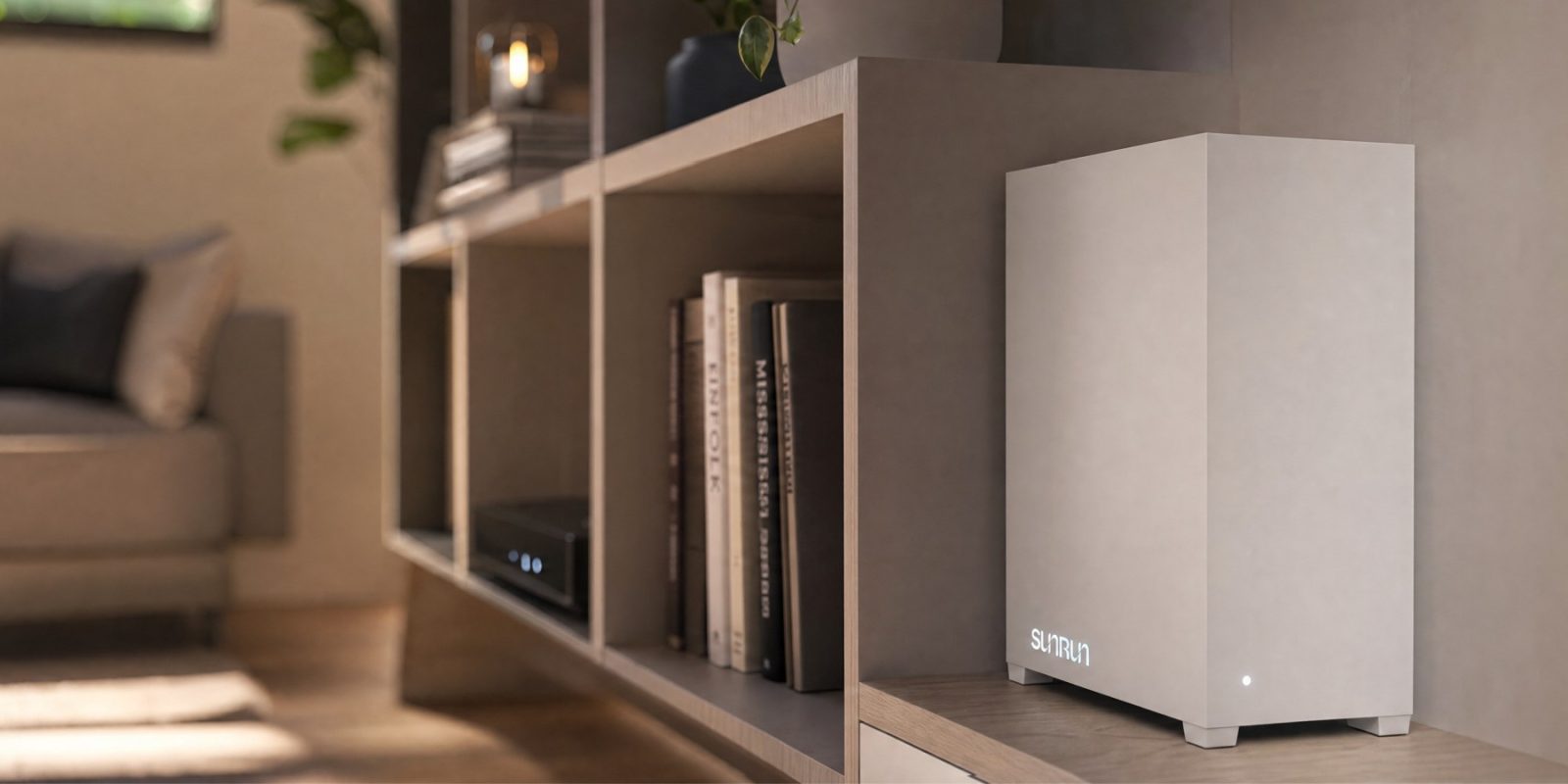
- Sunrun is launching a pilot "distributed AI compute" program that places compute nodes in homes equipped with its solar and battery storage systems, with participating customers receiving compensation.
- Sunrun plans to sell the distributed compute power from those home-based nodes to "enterprise compute buyers," such as AI companies, opening a new revenue stream beyond its home energy business.
- The pilot follows a "successful" proof of concept, though the company hasn't disclosed performance results; Sunrun will assess outcomes before a wider rollout.
- Sunrun's 1.1 million customers can sign up for the pilot waitlist to host a compute node, turning the solar company's installed base into the foundation of a potential "nationwide compute network."
- Over 70% of Americans oppose new data center construction in their area, per a May survey cited by Sunrun, citing pollution, noise, and water and electricity use — the local-opposition problem the distributed model is explicitly designed to sidestep.
- The company expects to complete the pilot "over the coming months" before deciding on broader expansion, leaving the program's economics and technical performance unproven at scale.
Why it matters: Sunrun's 1.1 million solar and battery customers could become a distributed AI compute network, giving enterprise buyers new capacity while sidestepping the local opposition — over 70% of Americans, per a May survey — that blocks traditional data center construction. For Sunrun, the pivot monetizes its installed base and energy infrastructure in a market adjacent to home energy storage.
Ask SkimNews