Reverse Biodiversity Loss by 2030, Researchers Urge — SkimNews

Get the Health newsletter
Daily health & science — research, biotech, public health, the studies worth knowing. Free.
- Frontiers in Science published a paper led by Harvey Locke (IUCN World Commission on Protected Areas) arguing that without protecting remaining intact biomes and ecosystems, climate and development goals become impossible to achieve.
- The researchers identify key gaps in the Kunming-Montreal Global Biodiversity Framework — adopted at COP15 in 2022 — including limited attention to large-scale natural processes such as biome function, hydrology, and species migration.
- Co-author Prof. Johan Rockström of the Potsdam Institute for Climate Impact Research warns that delays in halting tropical forest loss can increase the risk of large-scale ecological shifts that cannot be reversed.
- Prof. Raina K. Plowright of Cornell University argues that policies to protect intact nature and restore damaged ecosystems should be prioritized to the same extent as climate action under the Paris Agreement and the UN's Sustainable Development Goals.
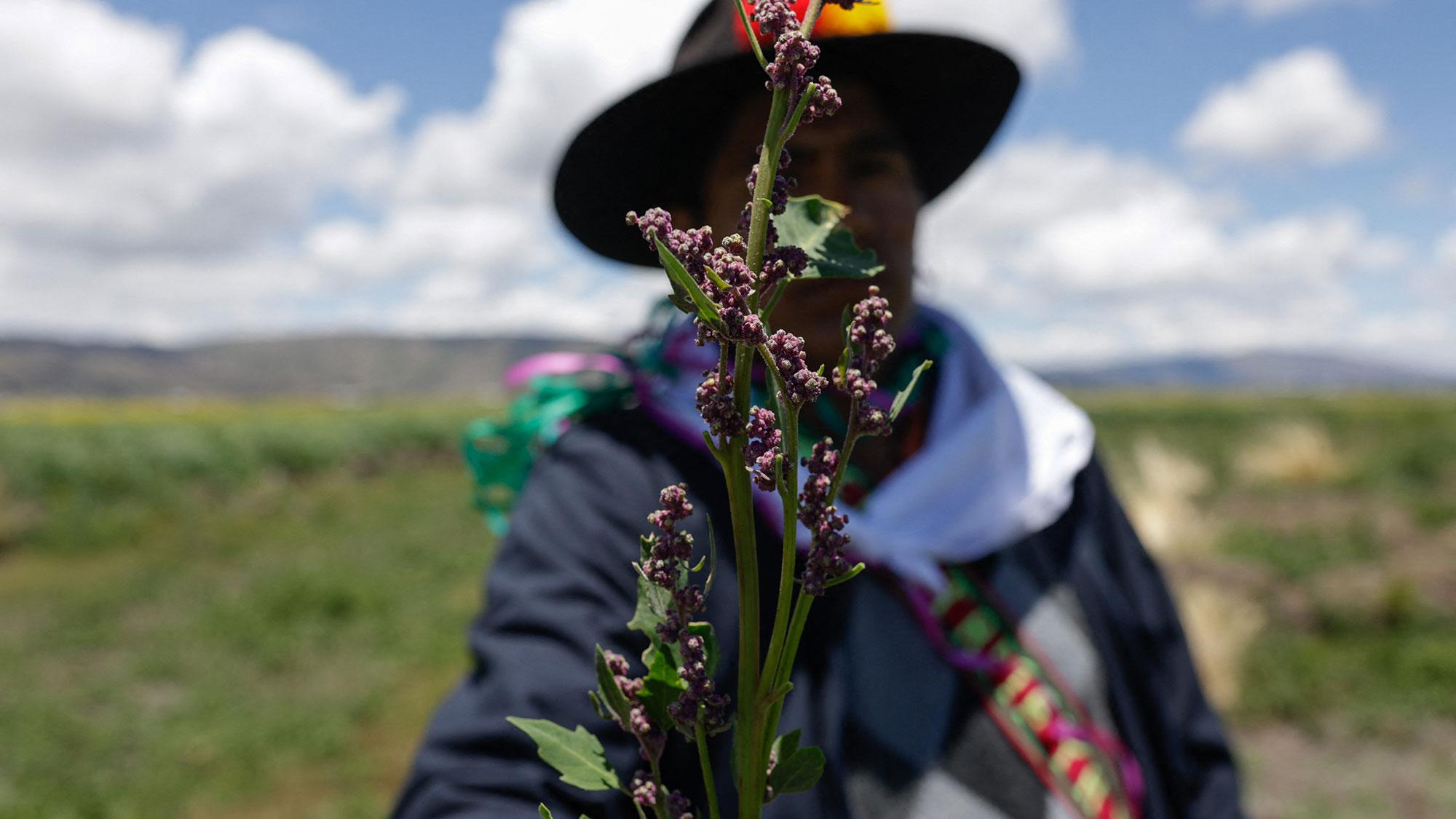
- The paper emphasizes embedding Indigenous and local knowledge systems alongside scientific methods, with co-author Prof. Leroy Little Bear (University of Lethbridge) stating Indigenous practices inherently reflect what Western science calls 'biotic and abiotic processes.'
- Locke concluded that biodiversity 'is both vital to human well-being, and the context for all economic activity,' calling for economic systems that operate within natural limits and transformations in how businesses report nature-related risks and dependencies.
Why it matters: The researchers argue that without protecting remaining intact biomes and ecosystems, climate goals under the Paris Agreement and the UN's Sustainable Development Goals become impossible — with delays in halting tropical forest loss risking irreversible ecological shifts and biodiversity loss directly driving greater infectious disease spread.
Ask SkimNews