Europe Builds Offshore Wind as US Pays to Abandon It — SkimNews
Get the Energy newsletter
Daily energy & climate — solar, EVs, oil, the policy fights and tech bets shaping the transition. Free.
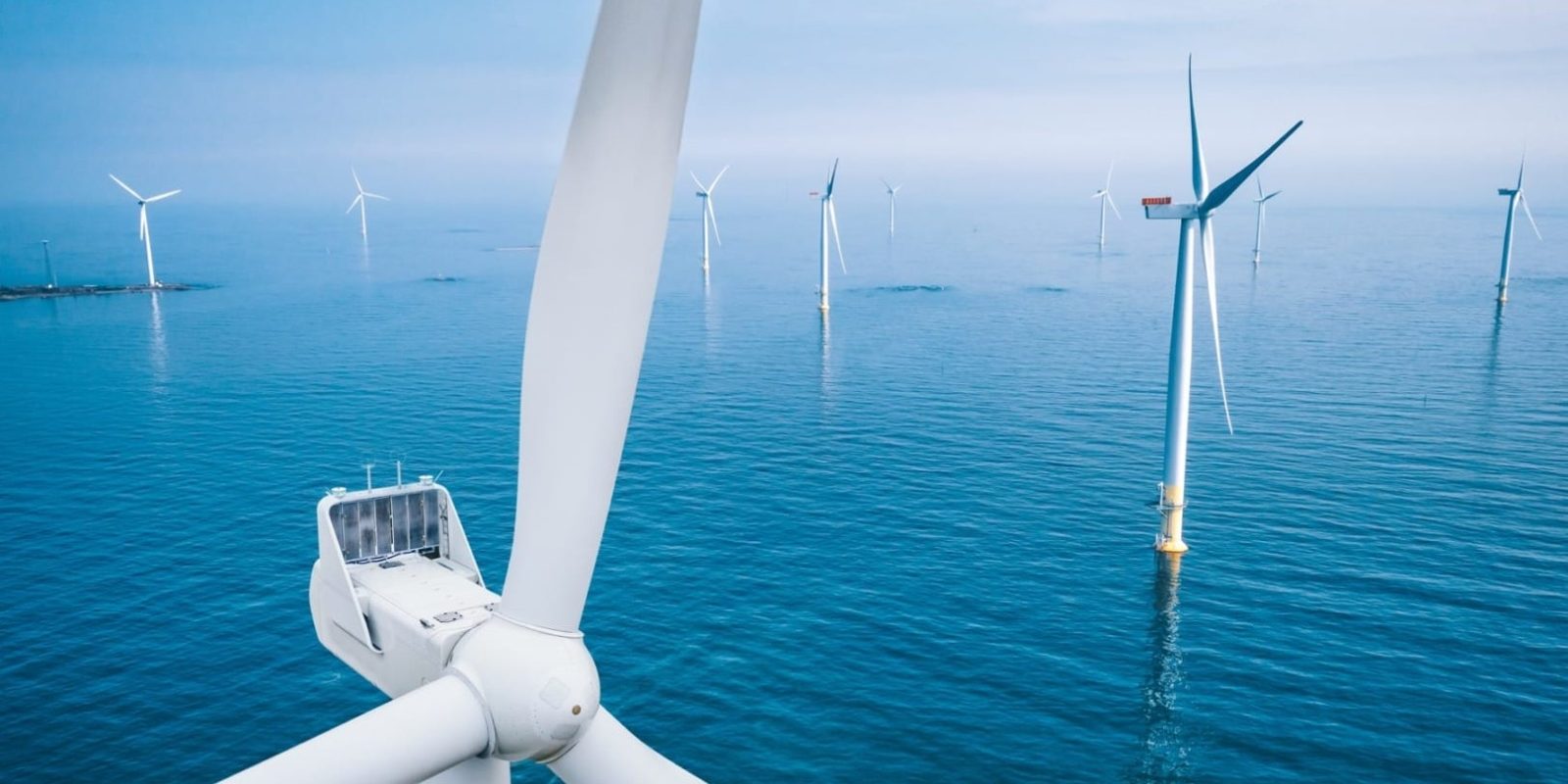
- Hornsea 3 connected its first export cable from seabed to UK coast on March 26, marking a milestone for what will be the world's largest wind farm; the project, led by Denmark's Ørsted with cable work by Belgium's Jan De Nul, will generate 2.9 GW—enough to power 3.3 million homes—when completed in 2027.
- France plans to auction 10 offshore and floating wind projects totaling 12 GW of capacity by 2027 under a 'Made in Europe' initiative prioritizing domestic supply chains, with Finance Minister Roland Lescure stating the goal is to use 'our technologies, our factories, our employees.'
- The Trump administration is paying France's TotalEnergies $1 billion to abandon US offshore wind projects that could have generated over 4 GW of clean power, channeling the money instead into oil and gas development.
- TotalEnergies CEO Patrick Pouyané said the company had to 'reconsider' US offshore wind after the administration took power, but clarified the company does not renounce onshore wind and will continue investing in solar, onshore wind, and batteries in other countries.
- The UK government has set a target of 50 GW of offshore wind by 2030 and net-zero emissions by 2050, with Ørsted UK & Ireland head Duncan Clark calling Hornsea 3 a 'cornerstone' for meeting those goals and boosting energy independence.
- European energy markets have been disrupted by global supply chain dependence for the third time in four years, driving the bloc's current push for energy autonomy through renewables and homegrown industrial capacity.
Why it matters: The $1 billion the US is paying TotalEnergies to walk away from over 4 GW of clean power—while France auctions 12 GW and the UK targets 50 GW by 2030—means American consumers and industry will lean harder on fossil fuel-generated electricity that experts say costs more per megawatt-hour, widening a transatlantic energy policy gap with measurable capacity and price consequences.
Ask SkimNews