Global food prices at three-year high as heatwaves and wars push up crop costs

Get the Energy newsletter
Daily energy & climate — solar, EVs, oil, the policy fights and tech bets shaping the transition. Free.
- UN Food and Agriculture Organization (FAO) reported its global food price index rose to 131.1 points in July, the highest level since January 2023, driven by increases in cereals, sugar, and vegetable oils
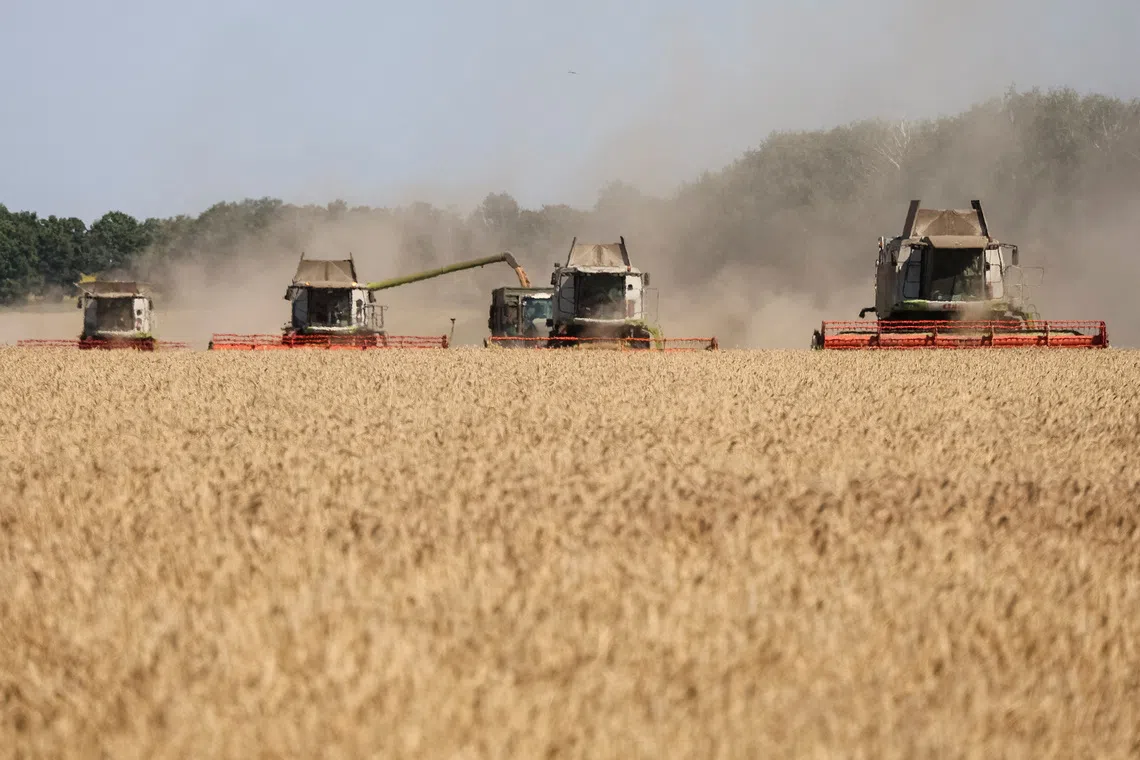
- Cereal prices increased 3.4% month-on-month in July, with global wheat costs up 5.8% due to heatwaves in key producing regions and ongoing disruptions to Black Sea export routes from Russia-Ukraine fighting
- Sugar prices jumped 5.6% in July amid concerns over hot, dry weather in the European Union and new Brazilian regulations boosting ethanol demand, which diverted sugarcane from food to fuel
- Vegetable oil prices rose 2% due to strong demand from Indonesia’s biodiesel sector and higher crude oil prices, according to the FAO
- European farmers lost an estimated 9 million tonnes of grain crops including wheat, barley, maize, and oats due to June’s deadly heatwave, exacerbating supply concerns
- Légumes de France warned thousands of tonnes of vegetables—salad leaves, carrots, leeks, garlic, and onions—were destroyed by extreme heat, drought, and wildfires across Europe
Why it matters: The 5.8% rise in global wheat prices directly threatens food affordability for 50 million people already at risk of acute hunger, as forecast by the WFP, with El Niño expected to worsen conditions in southern Africa, Central America, and the Caribbean in coming months.
Ask SkimNews