From 'Super El Niño' to Europe’s extreme heatwave: How this year's weather shocks are rattling commodity markets — SkimNews

Get the Energy newsletter
Daily energy & climate — solar, EVs, oil, the policy fights and tech bets shaping the transition. Free.
- WMO expects a strong El Niño in the tropical Pacific between July and September, with Metdesk's Dan Leonard warning it could 'perhaps eclipse' the major El Niño events of 1982, 1997 and 2015.
- Société Générale reports agricultural commodity prices rose 7% this month, with softs (cocoa, coffee, wheat) climbing 8% over the past week, while USDA data shows U.S. food prices were 3.1% higher year-on-year in May.
- Man Group's Albert Chu said crop yields could fall 5-12% in affected regions, with staples like rice declining 2-8%, and warned that treating the current El Niño as idiosyncratic — rather than chronically underpricing climate volatility — is a 'real risk' for investors.
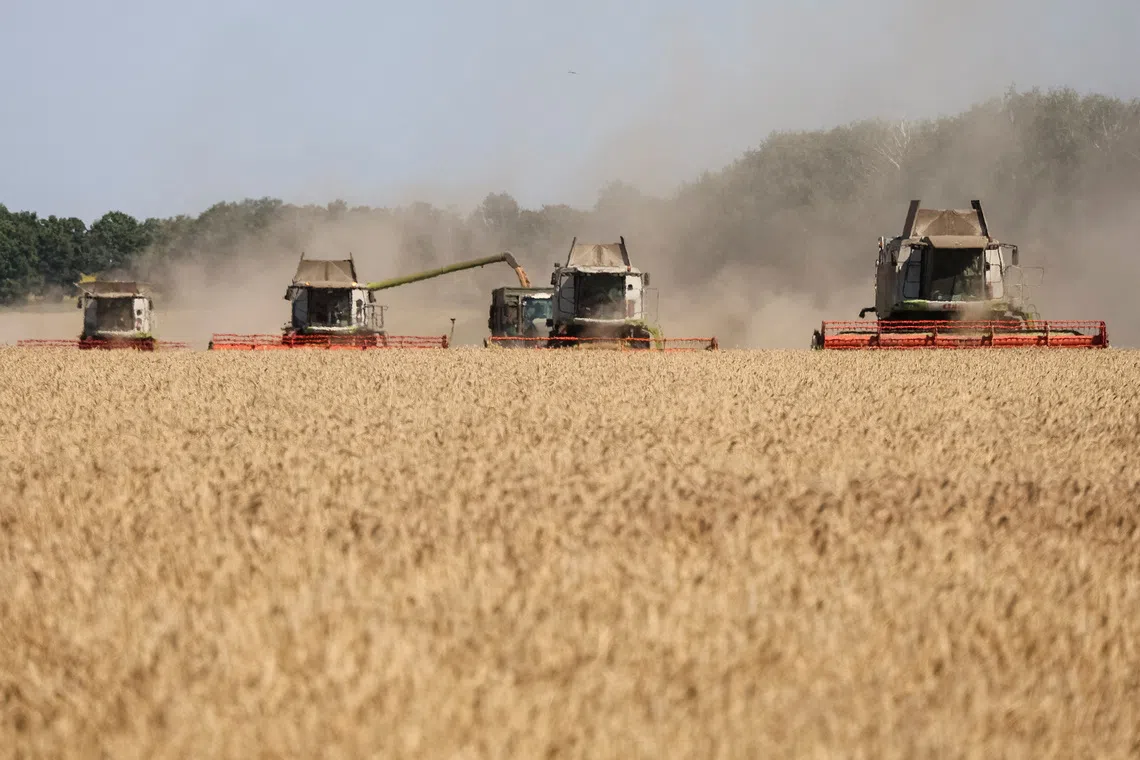
- Bank of America identified coffee, cocoa, corn and wheat as the crops most vulnerable to rising heat, and projected new-crop corn prices to rise roughly $1 per bushel from ~$4.70 to $5.50-$6.00, citing European heat stress, El Niño threats to Brazil, and hotter U.S. pollination conditions.
- BofA also forecast sugar output from Brazil and Thailand to plunge 10% in 2026-27 due to El Niño-related effects, and noted that Europe is warming faster than any other continent, shifting heat stress from cyclical to structural.
- Man Group raised the upside scenario further, projecting that food inflation could reach double digits by 2027 if El Niño disruption proves worse than currently priced.
- Copper production is highly water-intensive and could tighten sharply under heat or drought, while aluminum smelters — which draw 30-40% of costs from often hydro-generated electricity — face rising competition from cooling, food production and AI growth for the same scarce power and water.
Why it matters: Investors face a 'real risk' of chronically underpricing climate volatility (Man Group), with food inflation potentially reaching double digits by 2027 and BofA projecting corn at $5.50-$6.00 per bushel. Société Générale's 7% monthly jump in agricultural commodities shows the repricing is already underway, not theoretical.
Ask SkimNews