Fetterman's Apathy and Zeal Both Trace to His Stroke — SkimNews

Get the Health newsletter
Daily health & science — research, biotech, public health, the studies worth knowing. Free.
- Sen. Cory Booker praised Fetterman in May 2024 as an "inspiring figure" whose "moral voice" had grown stronger despite his post-stroke aphasia.
- A Wall Street Journal investigation in September found Fetterman skipped 11 of 12 hearings in one stretch, dismissed Children's Hospital of Philadelphia officials as wanting "free trips to D.C.," and called a three-hour police funeral "a nonstarter."
- Rep. Brendan Boyle (D-Pa.) called Fetterman "a disgrace" and "lazy" in the wake of the Journal report.
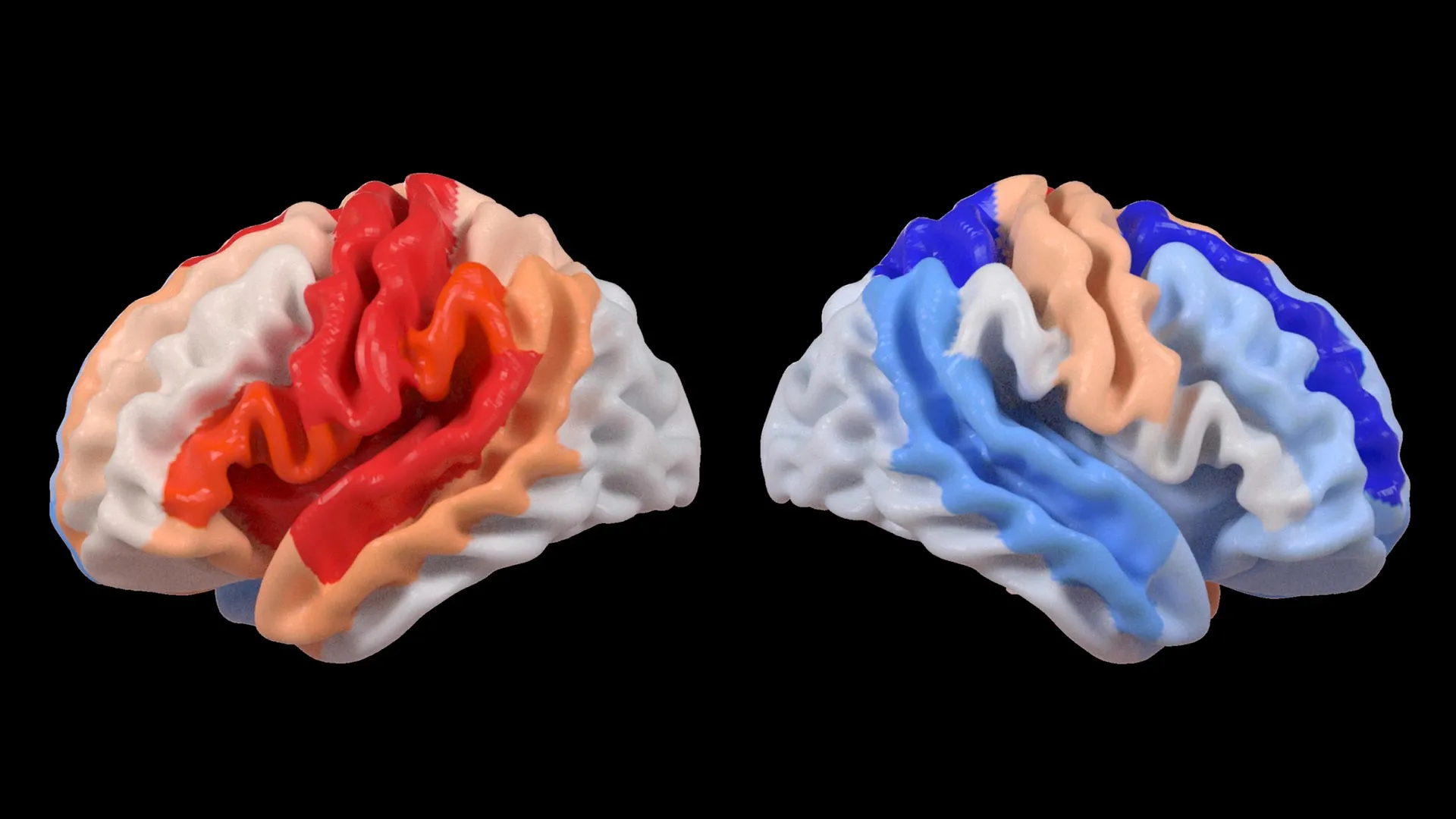
- About one-third of stroke survivors develop clinically measurable apathy — not depression but a blunting of initiative traceable to disrupted frontal-lobe reward circuits, which the authors say closely matches the Journal's profile of Fetterman.
- The authors invoke "paradoxical facilitation" — the neurological phenomenon where loss of one faculty amplifies another — to argue Fetterman's disengagement from routine duties and his intense moralism on Israel may both stem from the same injury.
- Washington lacks a fitness-for-duty protocol for sitting senators; pilots and surgeons face periodic review and presidents have the 25th Amendment, but senators are evaluated only by voters armed with anonymous staffer leaks.
- At least half a dozen members of Congress have suffered strokes in the past decade, per the authors, who argue the public should demand more thorough neuropsychiatric evaluation of politicians after illness.
Why it matters: With at least six congressional strokes in the past decade and no medical evaluation protocol for sitting senators, voters are left choosing between partisan framings — "disgrace" or "inspiration" — rather than getting a clinical assessment of whether elected officials can still serve.
Ask SkimNews