Trump Raises Yen Weakness Concerns With Japan's Takaichi — SkimNews
Get the Geopolitics newsletter
Daily geopolitics — wars, elections, sanctions, the diplomatic moves that move markets. Free.
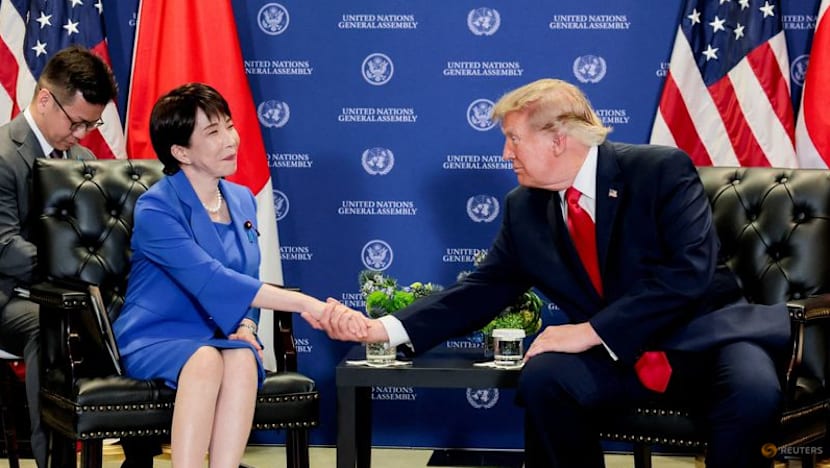
- Trump voiced concern about yen weakness to Japanese PM Sanae Takaichi at their Sep 22 summit on the sidelines of the UN General Assembly in New York, according to Finance Minister Satsuki Katayama's unusually frank disclosure of the normally confidential exchange.
- Takaichi told Trump that an undervalued yen is "problematic" and both leaders reaffirmed their shared stance from the July 31 coordinated US-Japan intervention to counter excessive volatility and disorderly moves in the yen.
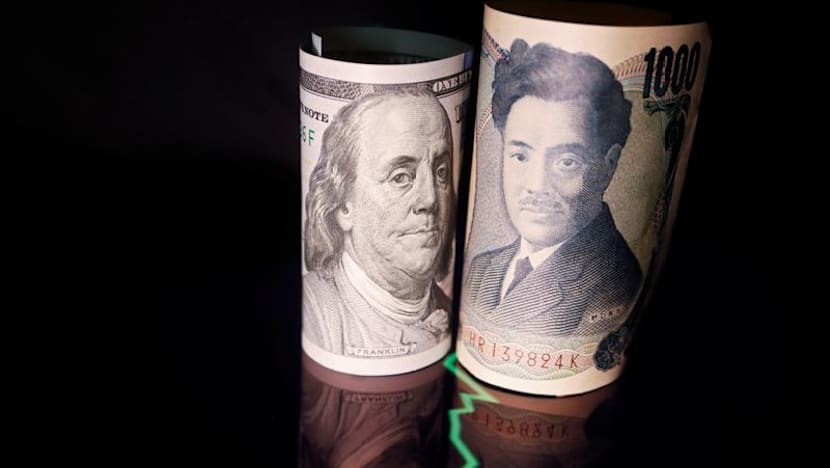
- The dollar has rallied against the yen on strong US economic data, a hawkish Federal Reserve, and surging US bond yields; the yen strengthened from 158.60 to around 158 per dollar after Katayama's remarks.
- Japan's 10-year government bond yield jumped to a 30-year high of 3.115% on Friday following a steep US Treasury selloff, with the weak yen already driving up energy import costs elevated by the US-Israeli war on Iran and fuelling inflation overshoot fears.
- Economic revitalisation minister Minoru Kiuchi, a Takaichi ally, declared that the phase of Abenomics-style reflation — monetary easing and agile fiscal spending — is over, apparently responding to Treasury Secretary Bessent's recent concerns about lingering Abenomics elements.
- Katayama and Bessent pledged to continue close communication on foreign exchange and other matters, with the US particularly worried that a Japanese bond selloff could spill over into the Treasury market.
Why it matters: The public confirmation of shared US-Japan FX concerns — combined with Kiuchi's declaration that Abenomics-style reflation is over — signals a coordinated policy pivot. With the 10-year JGB yield at a 30-year high of 3.115% and US concerns that a Japanese bond selloff could spill into Treasuries, Washington now has direct stakes in Japanese bond-market stability.
Ask SkimNews