US Intervenes to Prop Up Yen Amid Debt and Alliance Strategy — SkimNews
Get the Finance newsletter
Daily finance — markets, central banks, M&A, the prints that move money. Free.
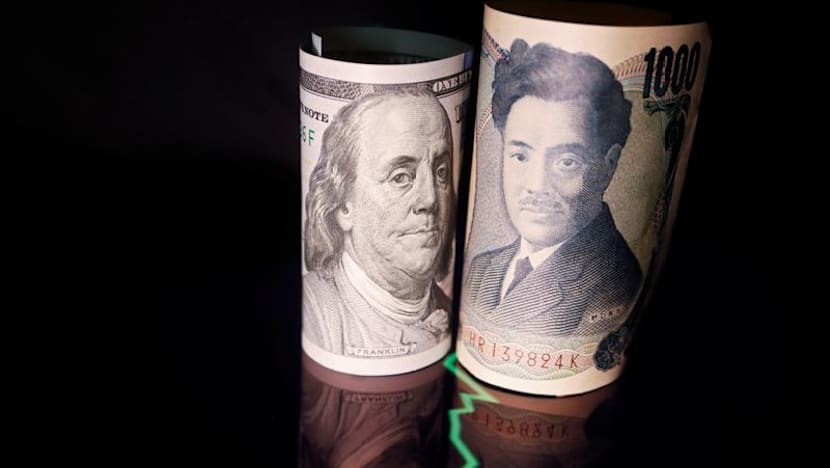
- U.S. Treasury is intervening in foreign exchange markets alongside Japan to bolster the yen, following similar support for the Argentine peso and UAE dirham.
- Argentina's President Javier Milei secured U.S. backing ahead of legislative elections, where dollar support helped stabilize the peso and enabled fiscal reforms that reduced inflation.
- Japan faces pressure from a weakening yen, which fell over 10% against the dollar in one year, threatening higher import prices and government borrowing costs amid already elevated debt levels.
- Trump administration actions in currency markets are framed as advancing U.S. interests, including preventing the Bank of Japan from selling U.S. Treasuries, which would raise American borrowing costs.
- Yen depreciation has been sustained—losing about a third of its value since 2020—driven by structural factors like Japan’s aging population, low growth, and widening U.S.-Japan interest rate differentials.
Why it matters: If the Bank of Japan sells U.S. Treasuries to defend the yen, it would force higher interest rates on American government debt, increasing borrowing costs for businesses and consumers. The intervention delays but doesn’t resolve underlying fiscal imbalances in both economies.
Ask SkimNews