China presses Iran to rein in Houthis after Saudi appeal — SkimNews

Get the Geopolitics newsletter
Daily geopolitics — wars, elections, sanctions, the diplomatic moves that move markets. Free.
- China privately asked Tehran to use its influence with Yemen's Houthis to prevent further disruption to Red Sea and Bab el-Mandeb Strait shipping, after Saudi Arabia appealed to Beijing, according to three Iranian sources — going further than its public calls for restraint.
- The Houthis made rapid advances along the Red Sea coast and around the Bab el-Mandeb Strait over the past week, leaving Saudi oil exports and shipping more exposed and opening what analysts called a new front in the energy crisis.
- Tehran responded that stability in the region depends on ending the "US-Israeli war on Iran," and did not commit to acting on Beijing's concerns; Chinese officials issued no explicit threats and indicated no economic leverage would follow if Iran refused.
- China purchases more than 80% of Iran's seaborne oil — roughly 1.4 million barrels per day in 2025 — and gets about half of its own oil imports from the Middle East, where its trade with GCC states runs about $300 billion a year.
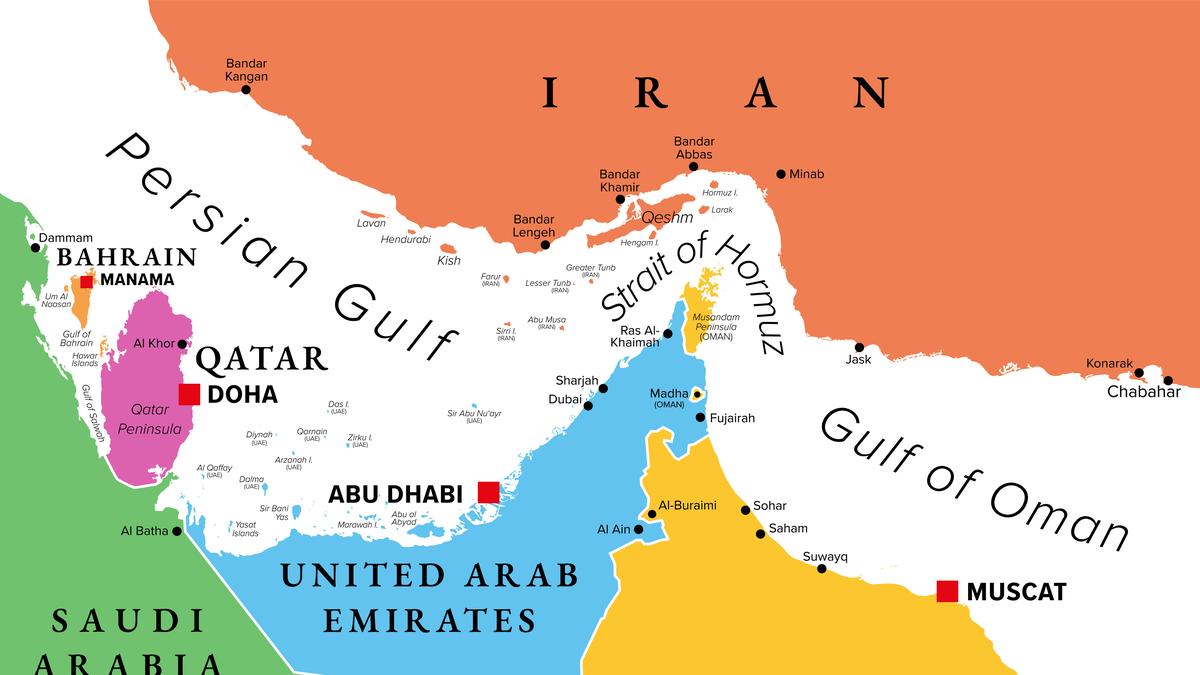
- With Iran already effectively shutting the Strait of Hormuz, sustained Houthi attacks would disrupt both of the Middle East's main oil-export routes at once, and one source noted that Tehran and Beijing "need each other" given those overlapping vulnerabilities.
- China brokered the 2023 Iran-Saudi rapprochement but critics inside Iran say its leverage has limits: non-oil investment under a 25-year cooperation pact signed in 2021 has lagged far behind Beijing's commitments to Gulf Arab states, leaving the key test whether Beijing will attach consequences to its demands.
Why it matters: China buys 80%+ of Iran's seaborne oil and depends on Middle East energy for roughly half its imports, yet Beijing issued no threats and attached no economic consequences to its request — meaning the Houthis' Red Sea advances will continue unless Beijing decides to use its oil-purchasing leverage as a pressure tool it has so far withheld.
Ask SkimNews