Gulf States Press China to Restrain Iran in Escalating War — SkimNews
Get the Geopolitics newsletter
Daily geopolitics — wars, elections, sanctions, the diplomatic moves that move markets. Free.
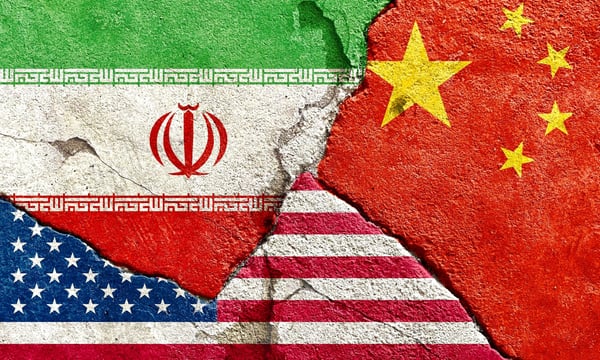
- Gulf Arab states are looking to China instead of Washington to use its economic leverage over Iran to reopen the Strait of Hormuz and Red Sea, after a war launched by U.S.-Israeli attacks on Iran on February 28 hurt their regional foe but also restricted vital energy exports.
- Wang Yi has held dozens of calls and meetings seeking a new ceasefire while special envoy Zhai Jun has held talks in Gulf Arab capitals and in Iran, though Beijing has refrained from publicly challenging Tehran's threats to shipping.
- Gulf sources told Reuters China "has turned out not to be as influential as we thought," with a second source saying "what seems to happen when America enters the fray is that superpower calculations dominate over everything else."
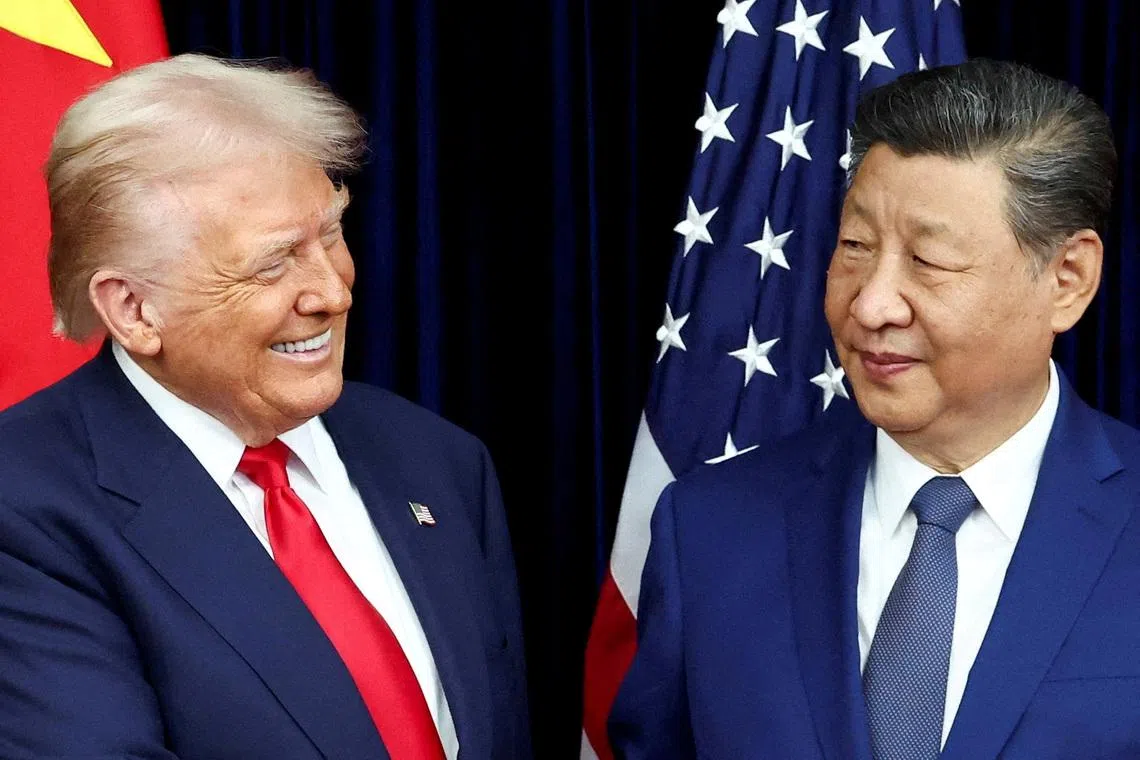
- Xi Jinping is expected in the United States for talks with Donald Trump on September 24 and has put forward a four-point proposal to safeguard Middle East peace, stability, development and cooperation.
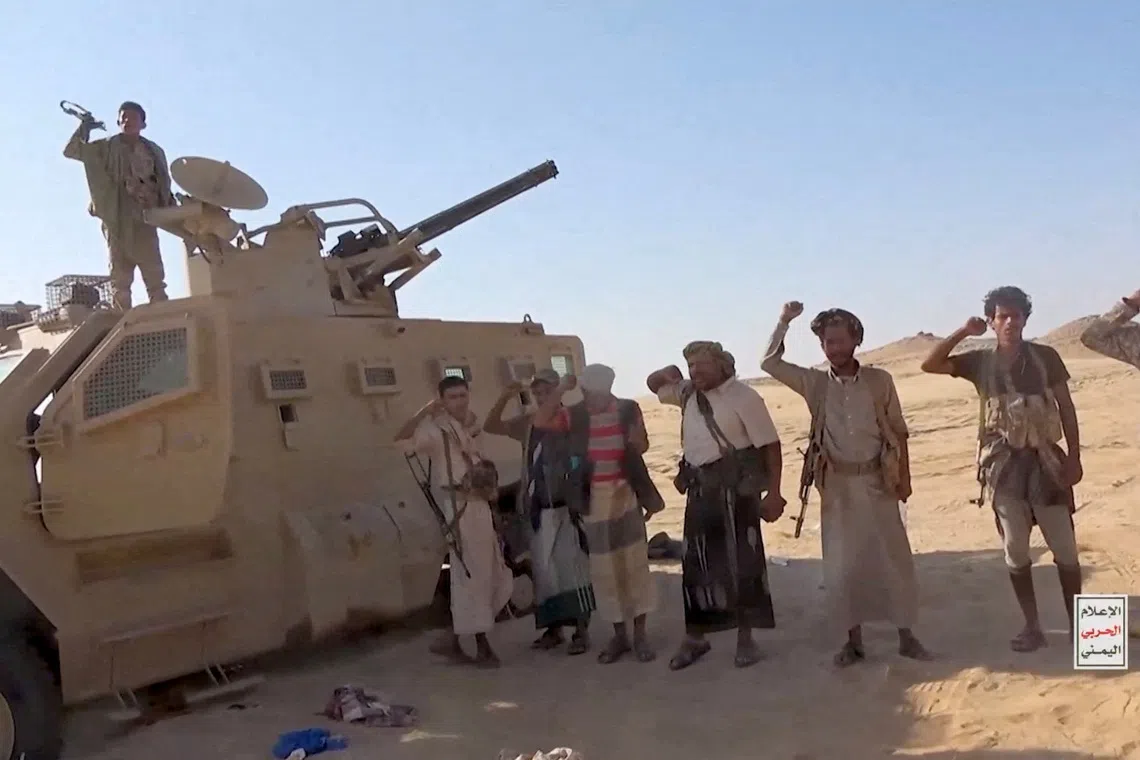
- Beijing has held direct talks with Yemen's Houthi movement to enable its own tankers to sail through the southern Red Sea without being attacked — a narrow bilateral arrangement that analysts said was the only visible outcome of Chinese diplomacy so far.
- China has said it is not prepared to use military force to reopen the Strait of Hormuz and unlike the United States has no defence commitments in the Gulf, preferring partnerships built on trade, investment and arms sales to mutual defence alliances.
Why it matters: The Gulf states' pivot tests the ceiling on Chinese influence after years of investment since the 2022 Gulf-China summit and Beijing's landmark 2023 Saudi-Iran rapprochement — and Gulf sources are already concluding Beijing lacks either the will or capacity to deliver. With Xi Jinping due to meet Trump on September 24 and Gulf energy exports still choked by Iran-aligned threats to both the Strait of Hormuz and Bab el-Mandeb, Beijing's transactional, non-aligned diplomacy leaves the region's shipping crisis squarely back in Washington's lap.
Ask SkimNews