Trump’s Offshore Wind Nightmare Has Become Reality
Why it matters: Offshore wind finally scales up, cutting emissions and powering millions while reshaping U.S. energy markets.
- President Donald Trump tried twice to halt Vineyard Wind, first via a 2019 BOEM re‑review and later with a December 2022 stop‑work order citing vague national‑security concerns.
- Bureau of Ocean Energy Management (BOEM) ultimately approved the revised 62‑turbine design in May 2021 and, after a brief injunction, allowed construction to resume in early 2023.
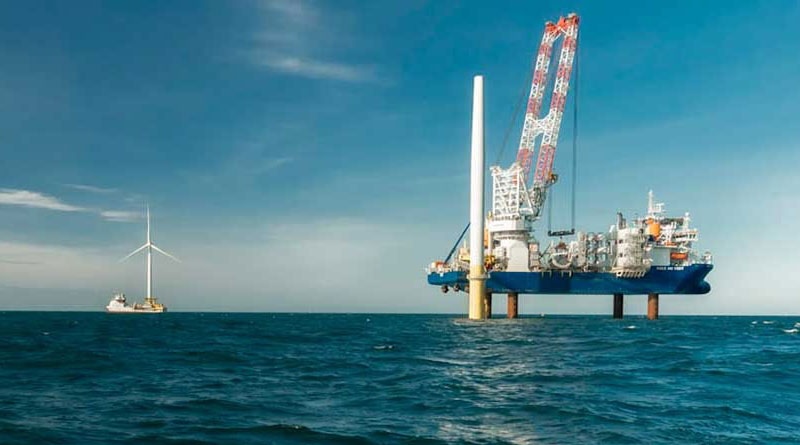
- Vineyard Wind developers sued the stop‑work order, secured a court win by January 2023, and announced full turbine installation on March 13 2024, with commissioning forthcoming.
- U.S. offshore wind industry (Océan Network) hailed the project as the third U.S. offshore wind farm delivering power, emphasizing its role in lowering winter bills and proving domestic capability.
- Five Atlantic‑coast projects now collectively promise several gigawatts of renewable electricity, marking a decisive move from political opposition to market‑driven growth.
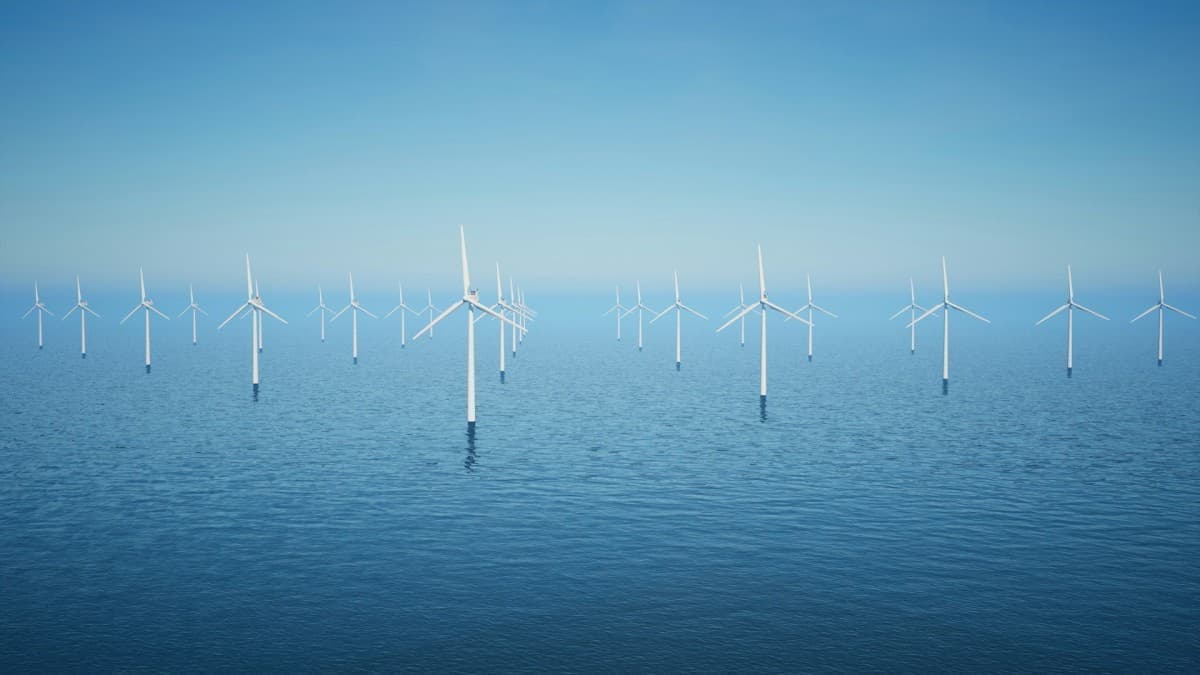
Despite Trump’s campaign to block offshore wind, five Atlantic‑coast projects—including the long‑targeted Vineyard Wind—are now on track to deliver multiple gigawatts of clean power, with Vineyard Wind completing all 62 turbines after a brief legal showdown. The Biden administration’s approvals and industry celebrations underscore a rapid shift from political obstruction to tangible renewable capacity.