Modi is in trouble — SkimNews

Get the Geopolitics newsletter
Daily geopolitics — wars, elections, sanctions, the diplomatic moves that move markets. Free.
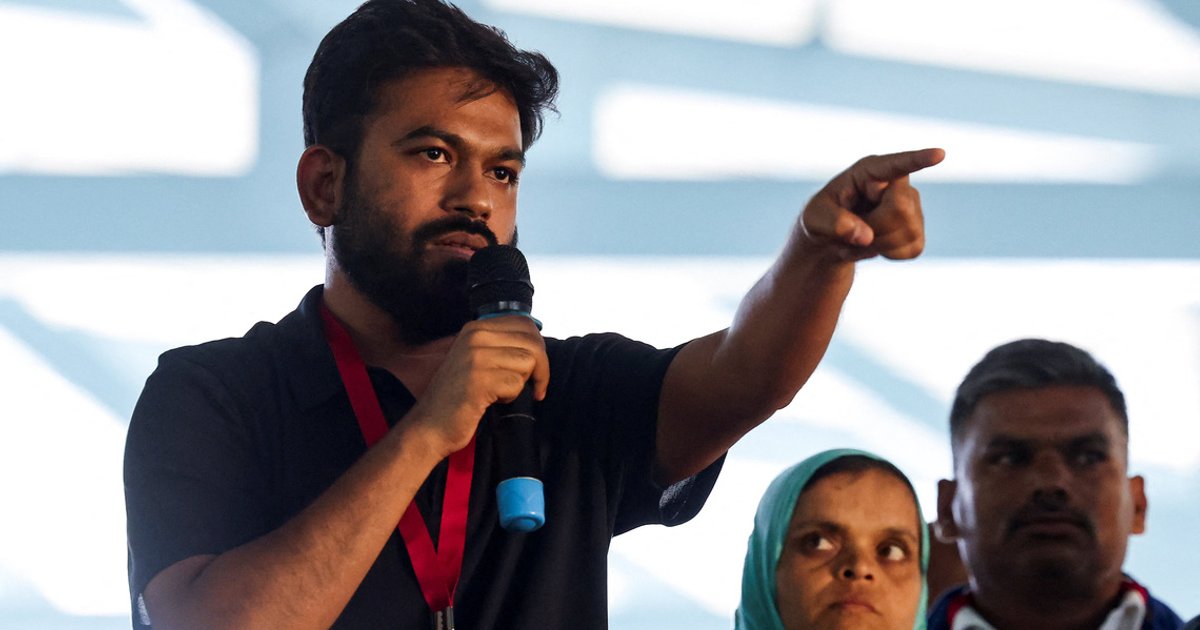
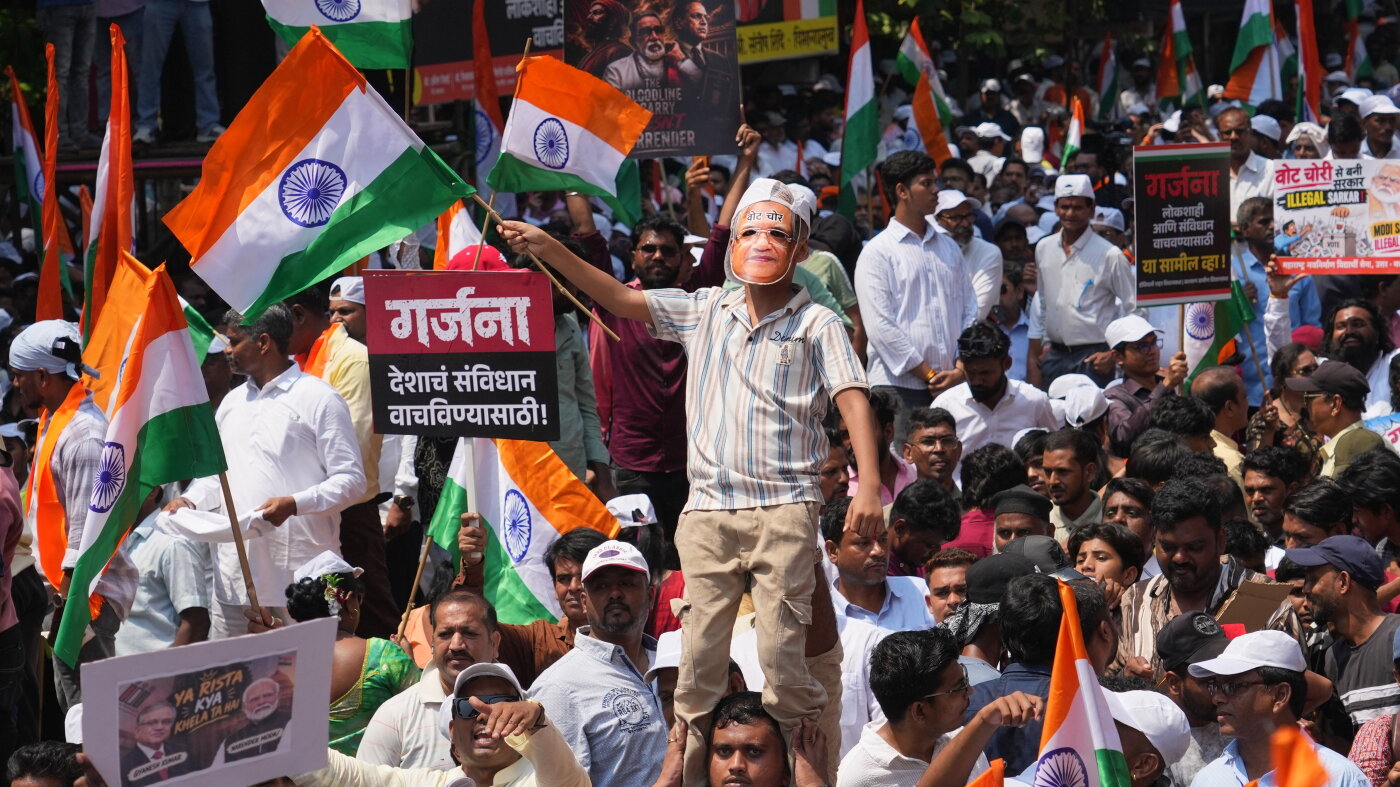
- CJP protesters demanding reversal of the Special Intensive Revision (SIR) electoral roll purge flooded New Delhi streets on October 10, repeatedly reassembling after police dispersed them from designated protest sites.
- New Delhi authorities detained at least 2,500 protesters and 15 journalists across the city, sending them to detention centres set up in various locations, the source reports.
- Indian authorities detained leading CJP figures Ratna Singh, Abhijeet Dipke, and Dhruv Rathee ahead of the demonstration, along with Mahatma Gandhi's great-grandson Tushar Gandhi.
- The Indian government suspended trains to New Delhi, deployed paramilitary forces at protest sites, and disrupted internet service — measures the article characterizes as reminiscent of the emergency era.
- Chief Election Commissioner Gyanesh Kumar, who oversaw the SIR exercise that the article says removed 130 million Indians from voter rolls, has not resigned despite a resurfaced 2006 corruption case against him.
- Opposition parties led by Rahul Gandhi met President Draupadi Murmu to formally submit that the government has subverted India's democratic framework.
- The CJP movement announced protests will continue, with opposition parties planning additional demonstrations the following Monday.
Why it matters: A 130 million-name voter purge combined with 2,500 single-day detentions puts India's electoral machinery and protest tolerance under simultaneous strain; the opposition has now formally petitioned the president, while the election commissioner overseeing SIR refuses to resign despite a 2006 corruption case resurfacing.
Ask SkimNews