Two damselfly species return to restored Hertfordshire woodland — SkimNews

Get the Energy newsletter
Daily energy & climate — solar, EVs, oil, the policy fights and tech bets shaping the transition. Free.
- Beautiful Demoiselle and Willow Emerald damselflies were spotted for the first time at Astonbury Wood near Stevenage after the three-year Ancient Astonbury and Wilder Woodlands project completed
- Herts & Middlesex Wildlife Trust delivered the project across seven reserves — Astonbury Wood, Balls Wood, Fir & Pond Woods, Gobions Wood, Old Park Wood, Long Deans and Hawkins Wood — backed by a £162,698 National Lottery Heritage Fund grant
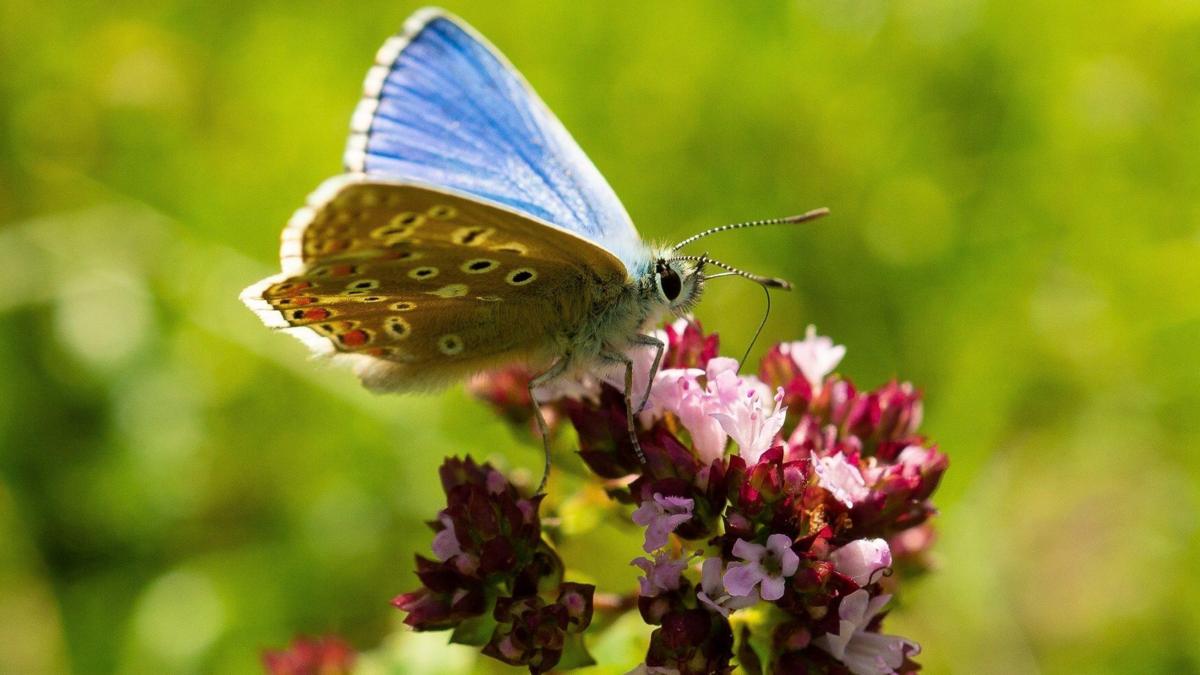
- Silver-washed Fritillaries were recorded in much higher numbers during summer 2026 than in previous years, as increased flowers attracted more butterflies to the restored habitat
- An area of hornbeam trees at Astonbury Wood was coppiced in December 2025 and showed strong regrowth after its first growing season, despite the dry summer
- An ancient woodland the size of a football pitch was returned to coppice management to let more light reach the woodland floor, with further coppicing planned for the future
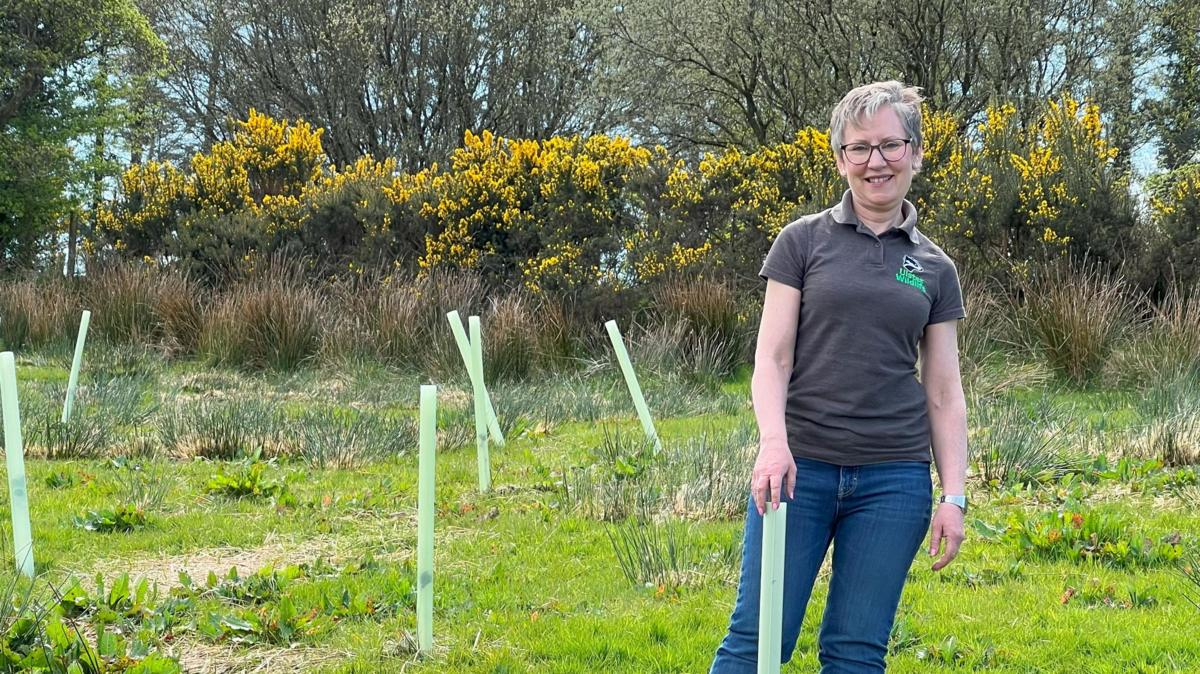
- Iain Ward, wilder woodlands officer at the trust, warned that Astonbury's ponds risk drying out completely as summers become increasingly hot and dry, and called for further restoration work to protect them
Why it matters: The project delivered measurable biodiversity gains — two damselfly species new to the site and a Silver-washed Fritillary surge — but the trust's own officer explicitly flagged that Astonbury's ponds may dry out completely as summers grow hotter and drier, creating a direct tension between restoration success and the climate trajectory now threatening the habitat those insects depend on.
Ask SkimNews