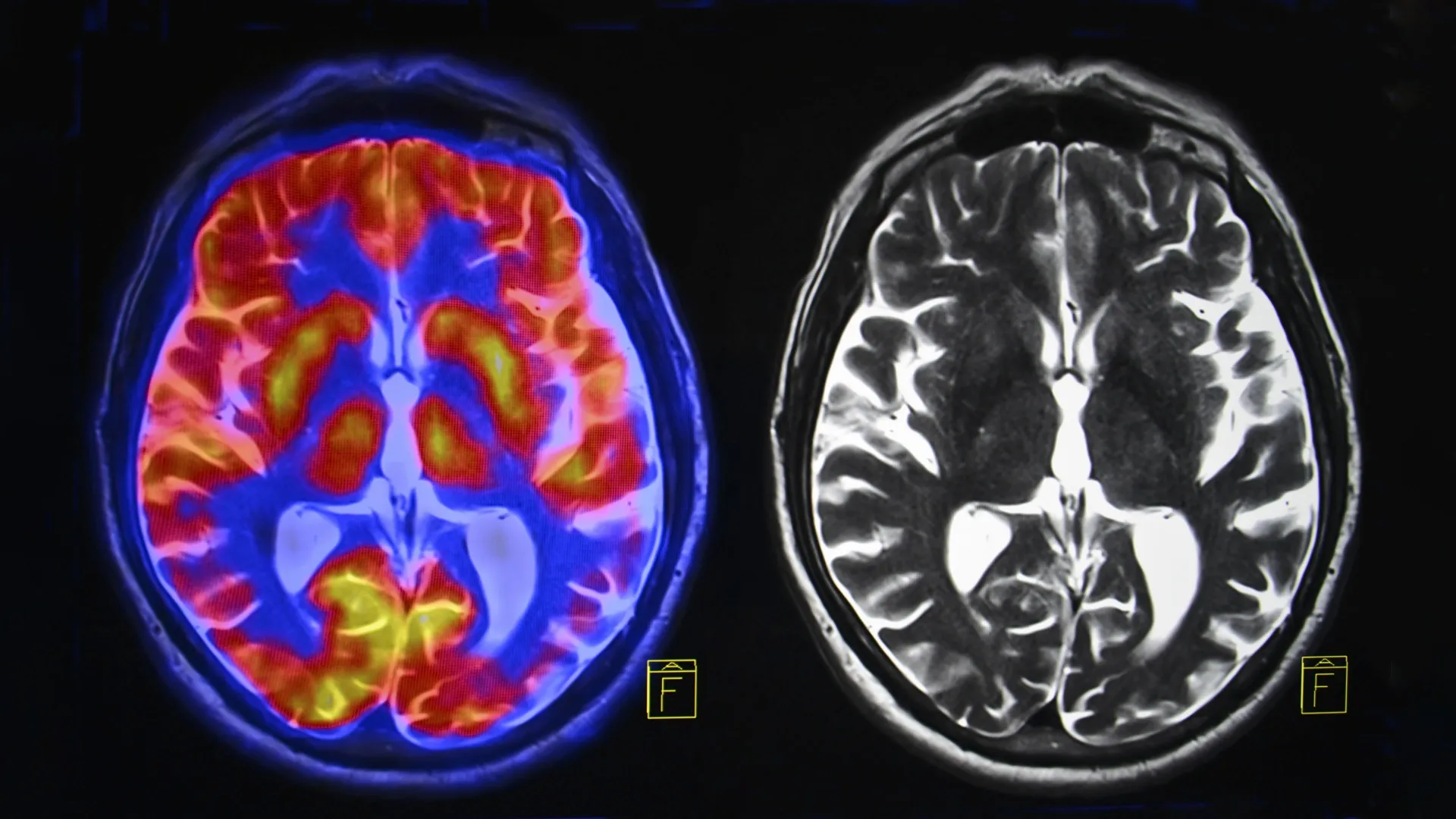
Psychopathic brains show 10% larger striatum — SkimNews

SkimNews Take
The finding that psychopathic traits correlate with an enlarged striatum suggests a potential biological predisposition for certain behaviors, shifting the focus from purely psychological or environmental explanations.
Get the Health newsletter
Daily health & science — research, biotech, public health, the studies worth knowing. Free.
- Nanyang Technological University and collaborators published a study in the Journal of Psychiatric Research showing that the striatum is about 10% larger in individuals with psychopathic traits compared to controls.
- 120 participants in the United States underwent MRI scans and completed the Psychopathy Checklist – Revised, linking larger striatum volume to thrill‑seeking and impulsive behavior.
- Olivia Choy, assistant professor at NTU’s School of Social Sciences, said the findings highlight a biological component—specifically brain‑structure size—in antisocial behavior alongside environmental influences.
- University of Pennsylvania co‑authored the research, supporting the claim that psychopathy involves measurable neuroanatomical differences.
- California State University co‑authored the study, reinforcing the multi‑institutional validation of the enlarged striatum finding.
Why it matters: Researchers gain a measurable brain marker—10% larger striatum—to study psychopathy, enabling more objective assessment and potentially informing forensic evaluations, while legal contexts may consider neuroanatomical evidence.
Ask SkimNews