Real-time data overtakes hardening in wildfire fight — SkimNews
SkimNews Take
As utilities prioritize sensor analytics over uniform infrastructure upgrades, wildfire resilience becomes an ongoing operating practice whose effectiveness depends on converting real-time risk signals into timely, location-specific investment and response.
Get the Energy newsletter
Daily energy & climate — solar, EVs, oil, the policy fights and tech bets shaping the transition. Free.
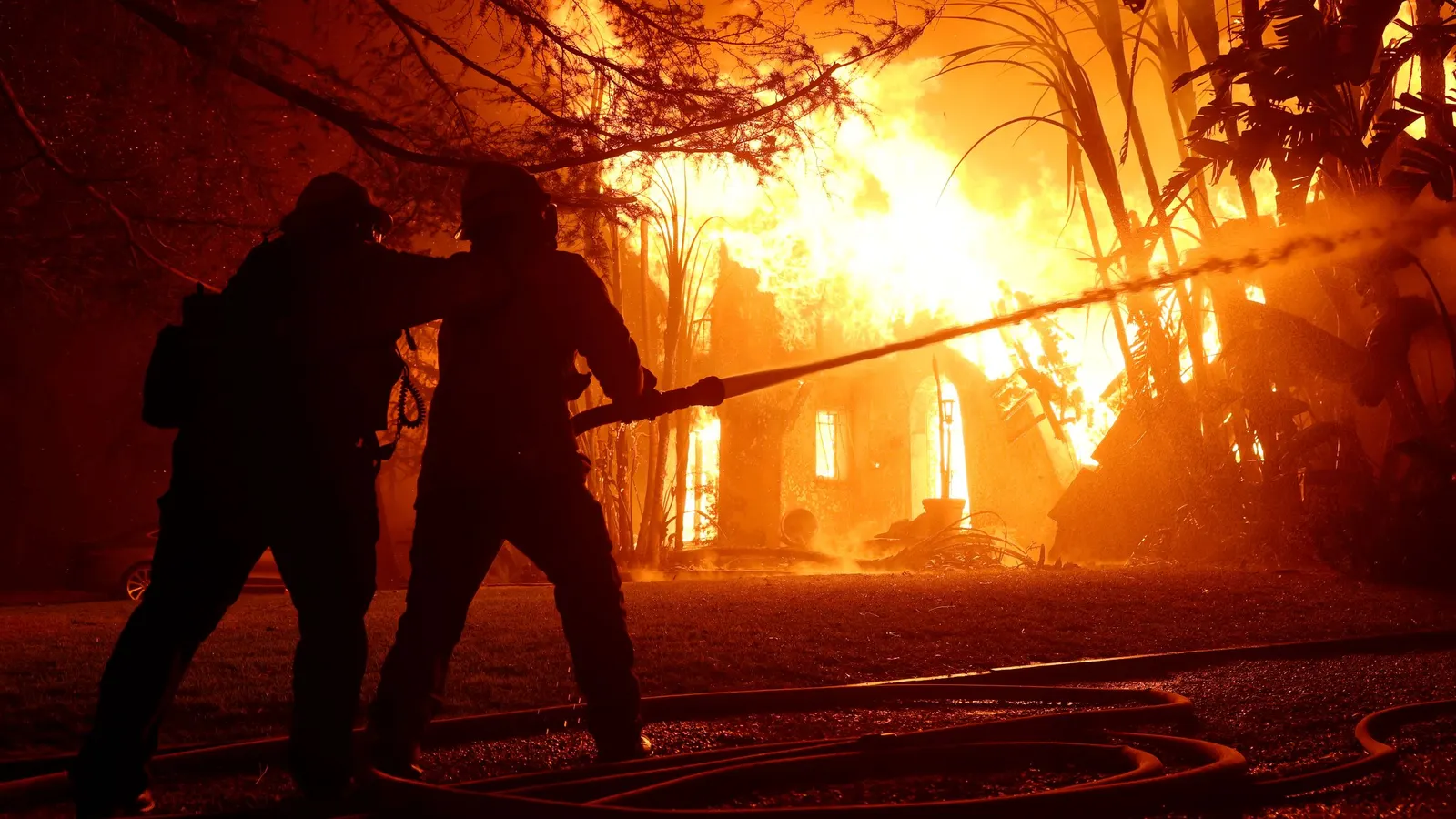
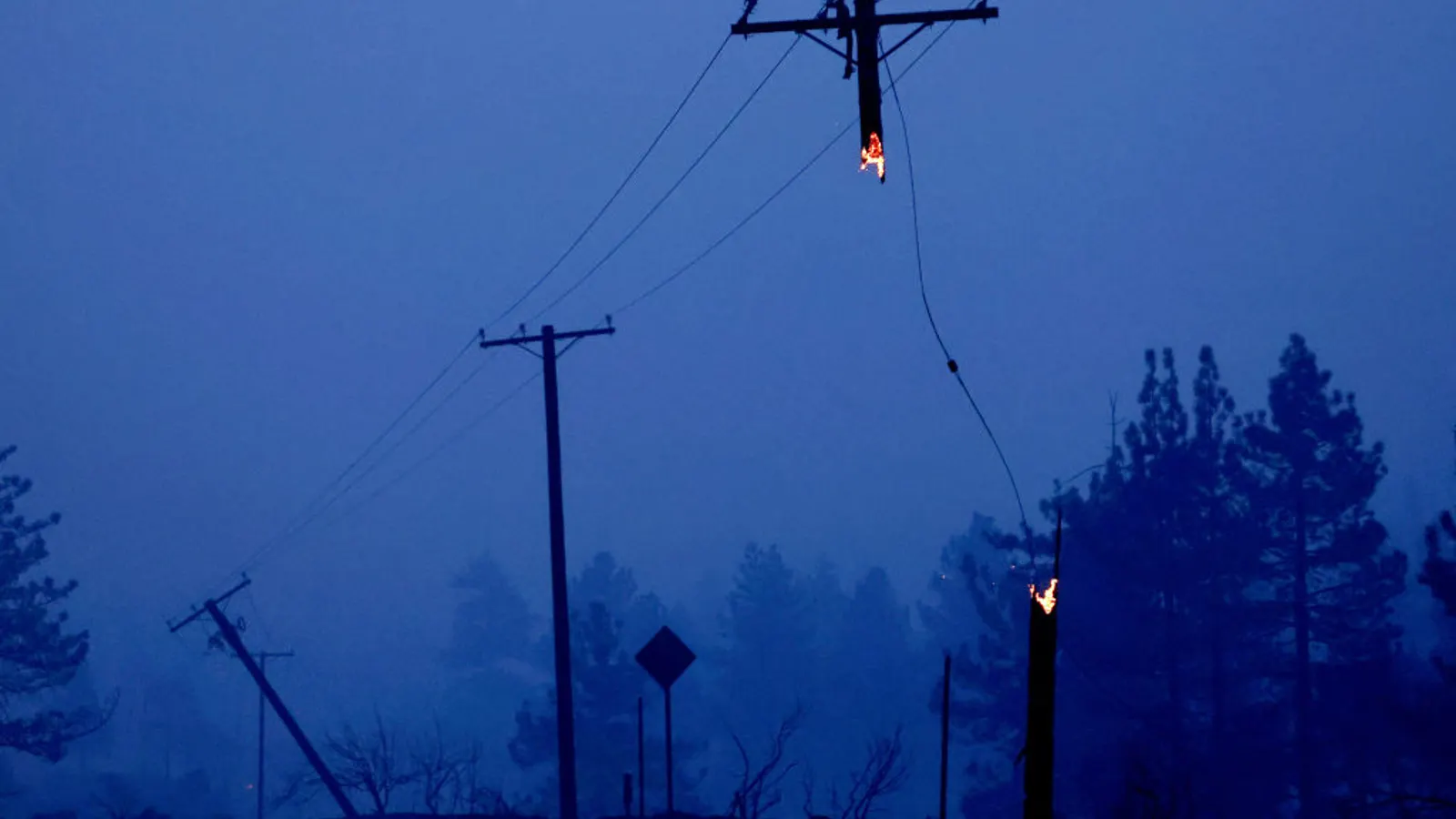
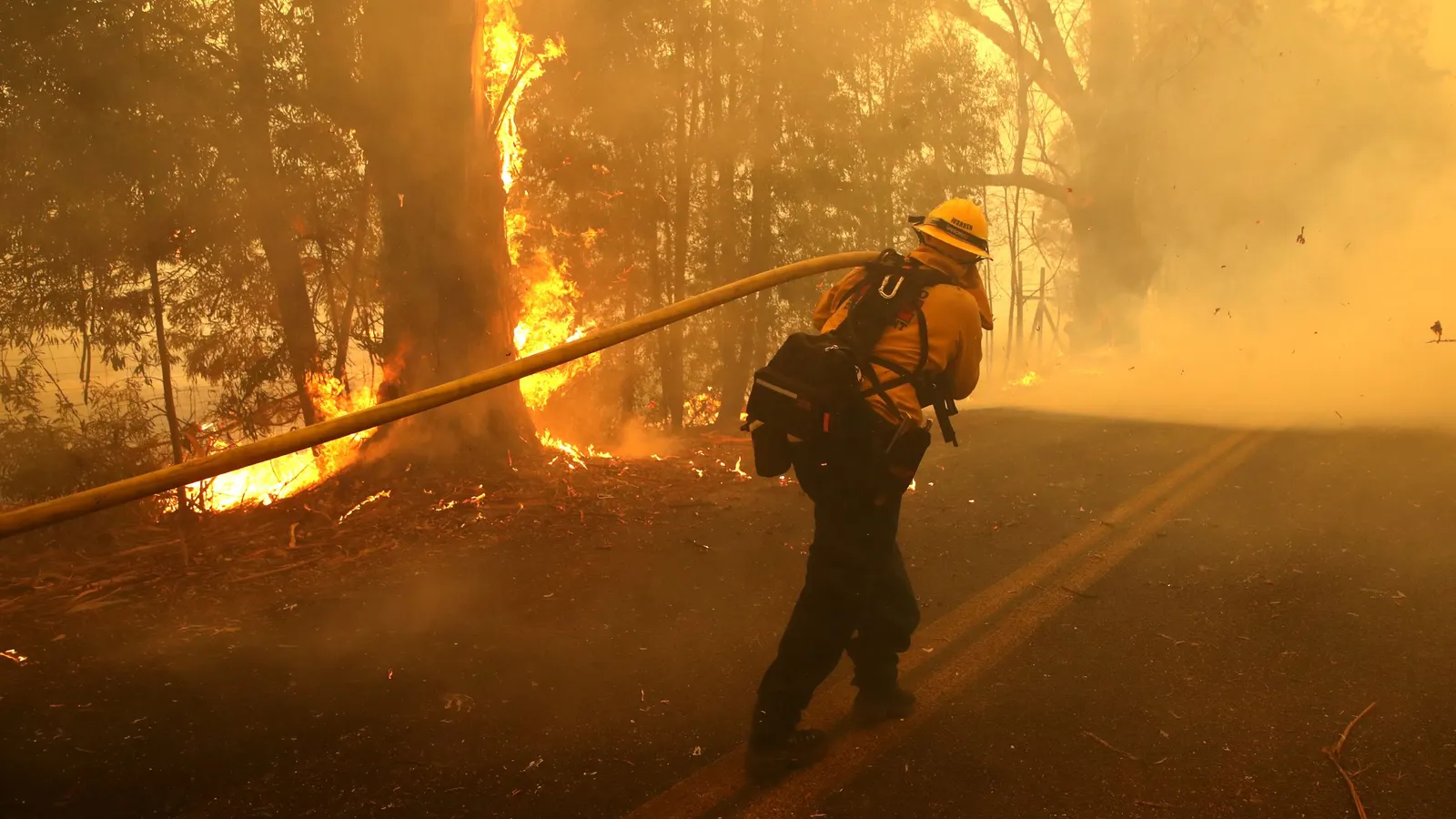
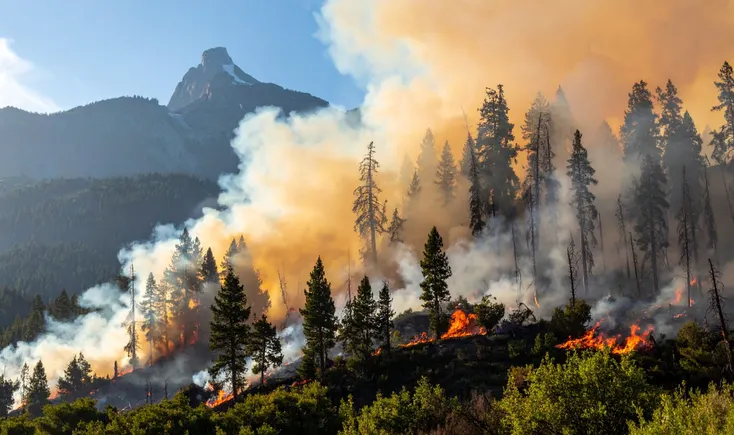
- North American wildfires are burning across hundreds of incidents this summer, drawing scrutiny onto whether utilities had and acted on early warning before each ignition.
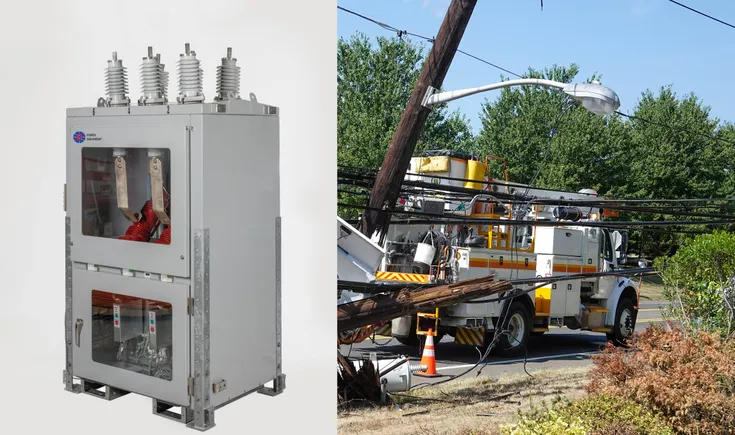
- The previous decade of utility mitigation centered on physical grid hardening — vegetation management, covered conductor, sectionalizing devices, undergrounding, and faster protection settings — at a cost of billions of dollars, with undergrounding alone running several million dollars per mile.
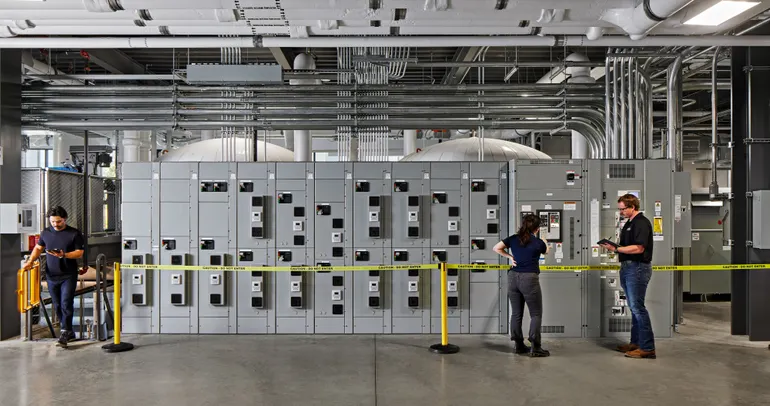
- Grid infrastructure already functions as a continuous sensing network: metering, line sensors, distribution automation, weather networks, and communications systems detect voltage anomalies, loading patterns, momentary faults, and equipment behavior before failures occur.
- Public safety power shutoffs can become more surgical once operators can identify the actual problem segment — cutting only high-risk miles rather than whole circuits and sparing customers on oxygen concentrators, well pumps, and medical baseline service.
- Inspection crews can be deployed on risk-ordered work lists generated by pattern-recognition software trained on years of failure history, matching the same crews and budget against combinations of voltage signatures, equipment class, and weather conditions rather than fixed territory-wide schedules.
- Undergrounding decisions — the largest single wildfire-spending choice for most utilities — can retire more risk per dollar when guided by observed asset behavior and modeled risk rather than service-territory averages, the case the source says is meant for utility boards and commissions.
- Real-time response is the binding constraint: on red-flag days, detected fault signatures on high-risk lines must trigger faster protection settings, automatic segment isolation, and crew dispatch within seconds — before ignition rather than after the fire.
Why it matters: Ratepayers and regulators are choosing between two wildfire-spending models: continued territory-wide hardening — which the source says spends most of its billions where risk is not — and data-driven, risk-weighted spending that retires more hazard per dollar and keeps power flowing to medical-baseline, oxygen, and well-pump households during fire weather. Boards and commissions now have a sourced argument for prioritizing which miles get undergrounded rather than spreading capital evenly.
Ask SkimNews