Ukraine's Patriot License: Years Away as Russia Strikes Now — SkimNews

Get the Geopolitics newsletter
Daily geopolitics — wars, elections, sanctions, the diplomatic moves that move markets. Free.
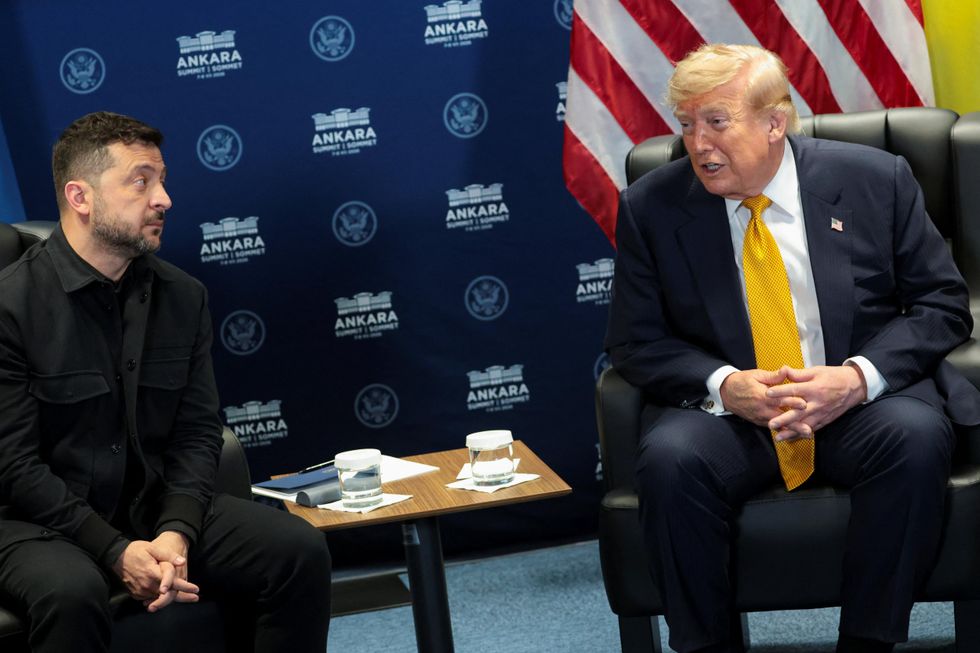
- Trump announced on July 9 at the NATO summit in Ankara that he would approve a license for Ukraine to produce its own Patriot missile interceptors, telling Zelensky: "This way, you can't complain that we're not giving them enough."
- Ukraine is out of Patriot missiles and desperate for them, with its defenses failing to intercept any of the 23 ballistic missiles Russia launched on July 6, killing at least 22 people in Kyiv ahead of the summit.
- Lockheed Martin controls the licensing process, which will take six months to a year just for paperwork due to Patriot systems being under tight US export controls.
- Experts note a sharp capability gap between the two interceptor models: PAC-3 has a 30-50% chance of stopping a Russian ballistic missile while PAC-2's GEMP-T variant falls below 10%, and Japan is currently the only country besides the US capable of producing PAC-3.
- Germany had PAC-2 production approved in 2022 but won't deliver its first missiles until 2027, illustrating the multi-year timeline Ukraine faces even though it is under active Russian fire.
- Ukraine faces specific obstacles including factory construction that will become a Russian target, supply problems for interceptor seekers, and no guarantee of being prioritized among a global queue of clients including European states, South Korea, Japan, and Middle Eastern countries replenishing post-Iran-war stockpiles.
Why it matters: Ukraine needs Patriots today but the licensed production pipeline won't deliver interceptors for years — by which time Russia's ballistic missile campaign may have already exhausted Kyiv's remaining defenses, as the July 6 attack demonstrated. The timeline gap means the announcement is primarily a political signal to Zelensky, not a tactical fix for the 23-missile barrages hitting Ukrainian cities.
Ask SkimNews