Taiwan Launches Han Kuang Drills With Record Reservist Mobilization — SkimNews

Get the Geopolitics newsletter
Daily geopolitics — wars, elections, sanctions, the diplomatic moves that move markets. Free.
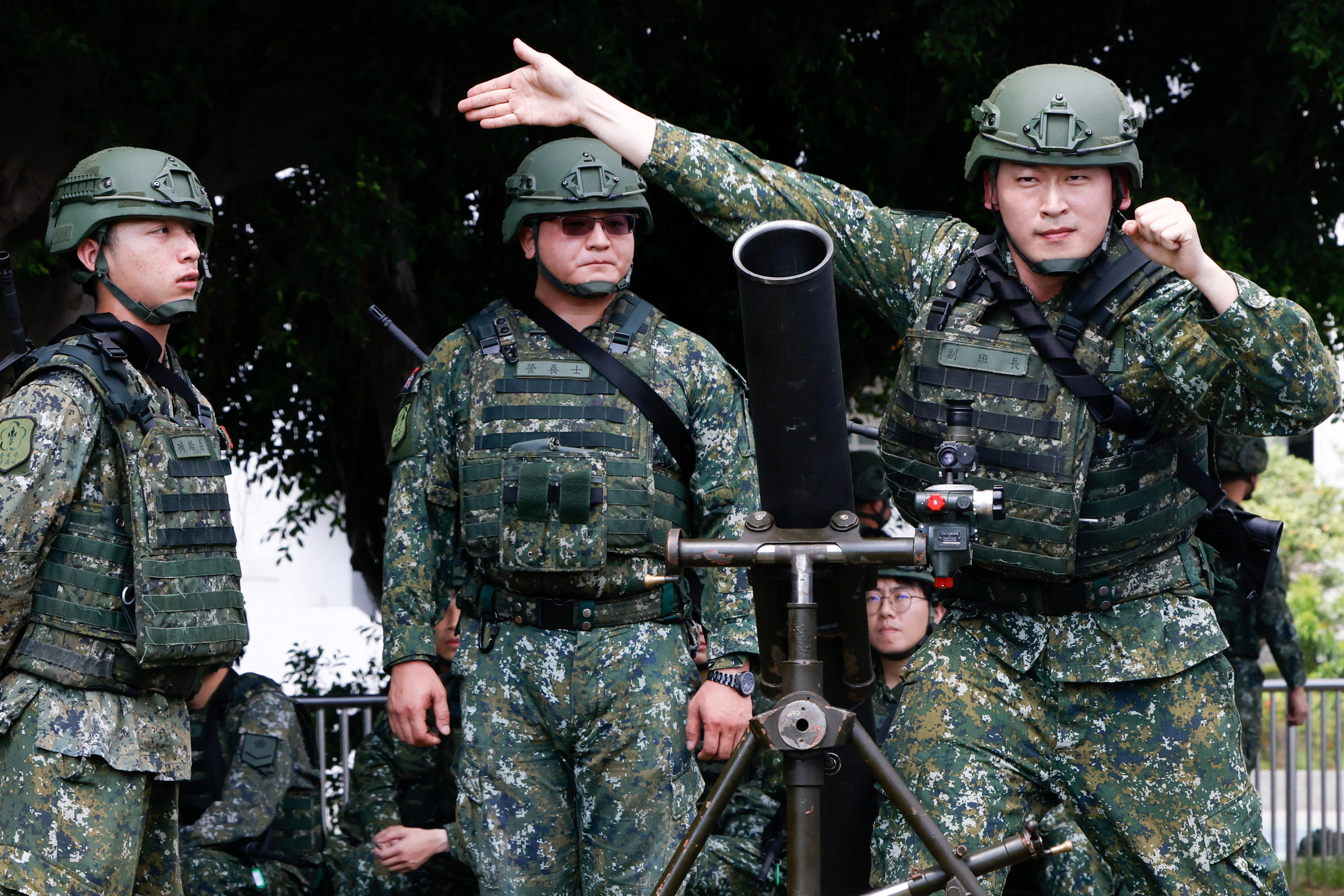
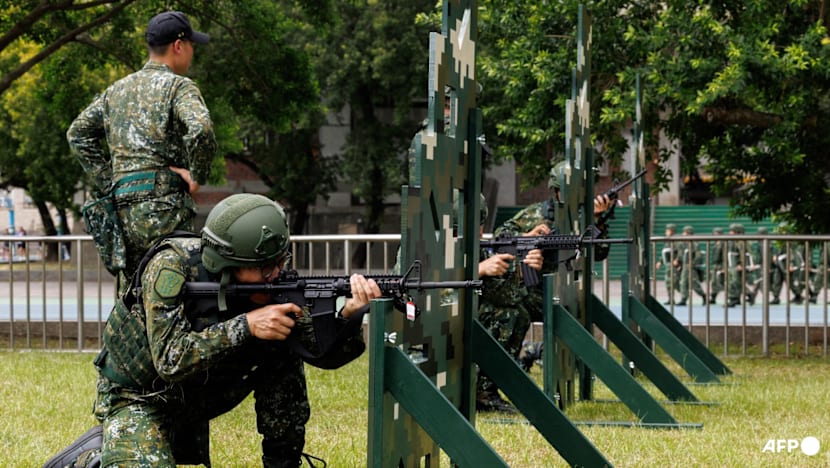
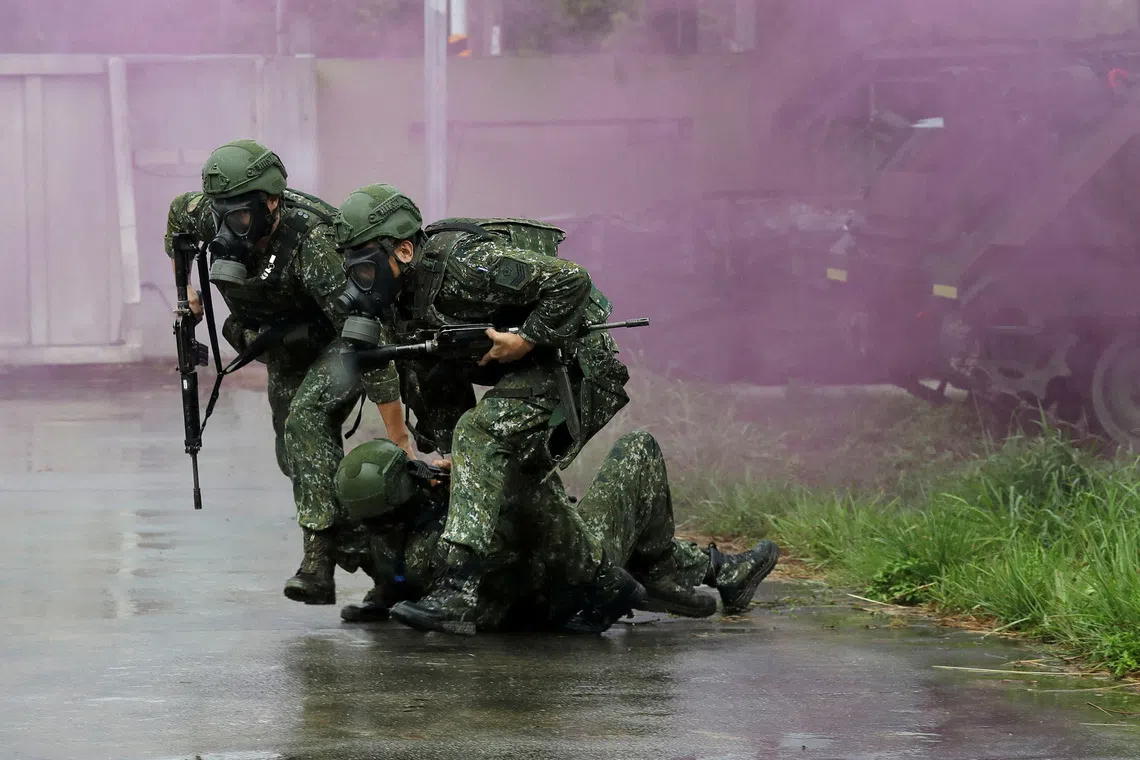
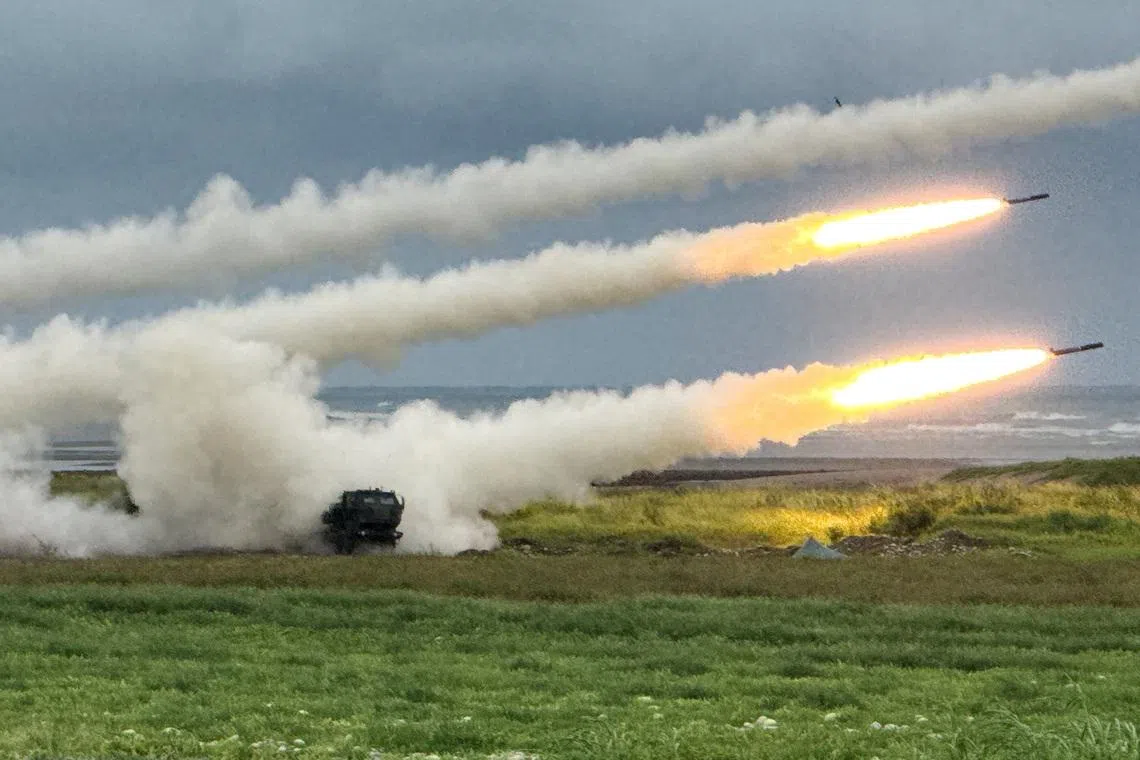
- Taiwan's military kicked off the 10-day Han Kuang exercises Wednesday with live-fire drills simulating a Chinese invasion, testing 24-hour defense operations and countermeasures against Beijing's "gray-zone tactics."
- This year's drills will mobilize a record 5,000-plus reservists across two brigades, up from one brigade of more than 3,000 last year, testing how quickly reserves can transition from peacetime standby to active duty.
- The exercises introduce U.S.-inspired "backbriefs," where subordinates explain to commanders how they plan to execute missions, intended to make first-line fighters more self-reliant in battle.
- Urban resilience drills in Kaohsiung, Taichung, and Taipei will reduce mobile internet speed for about 30 minutes to simulate telecommunications interference during an attack.
- Taiwan's army will field the newly acquired M1A2T Abrams tanks — 108 of which were procured from the U.S. in 2019, with the last batch arriving in April.
- Taiwan's parliament approved a US$24.8-billion supplementary budget for U.S. arms purchases, falling short of President Lai Ching-te's proposed US$40-billion package.
- The U.S. has yet to greenlight a separate US$14-billion arms sale package to Taiwan, held up for months, while President Trump earlier approved a record US$11-billion package and called Taiwan arms sales a "good negotiating chip" after visiting China in May.
Why it matters: Taiwan is scaling up its defensive posture with record reservist numbers and new American military techniques even as its largest pending U.S. arms package — US$14 billion — sits in limbo, a delay Trump publicly linked to his leverage with Beijing after his May China trip.
Ask SkimNews