Taiwan Tests Command Flexibility in Han Kuang Drills — SkimNews
Get the Geopolitics newsletter
Daily geopolitics — wars, elections, sanctions, the diplomatic moves that move markets. Free.
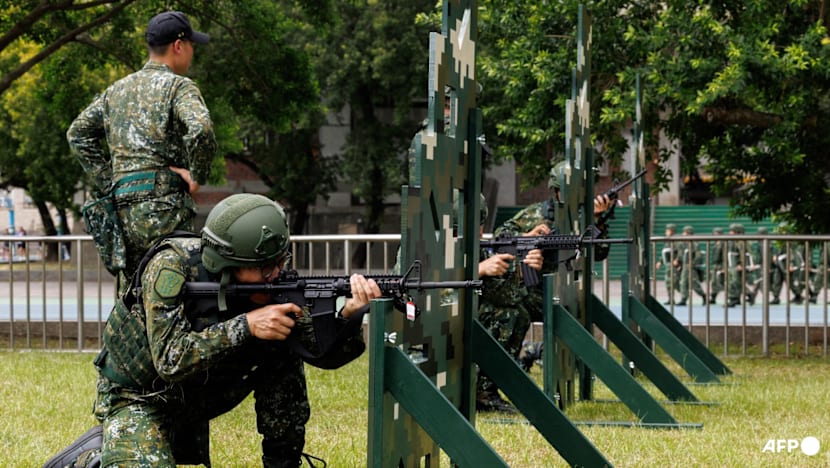
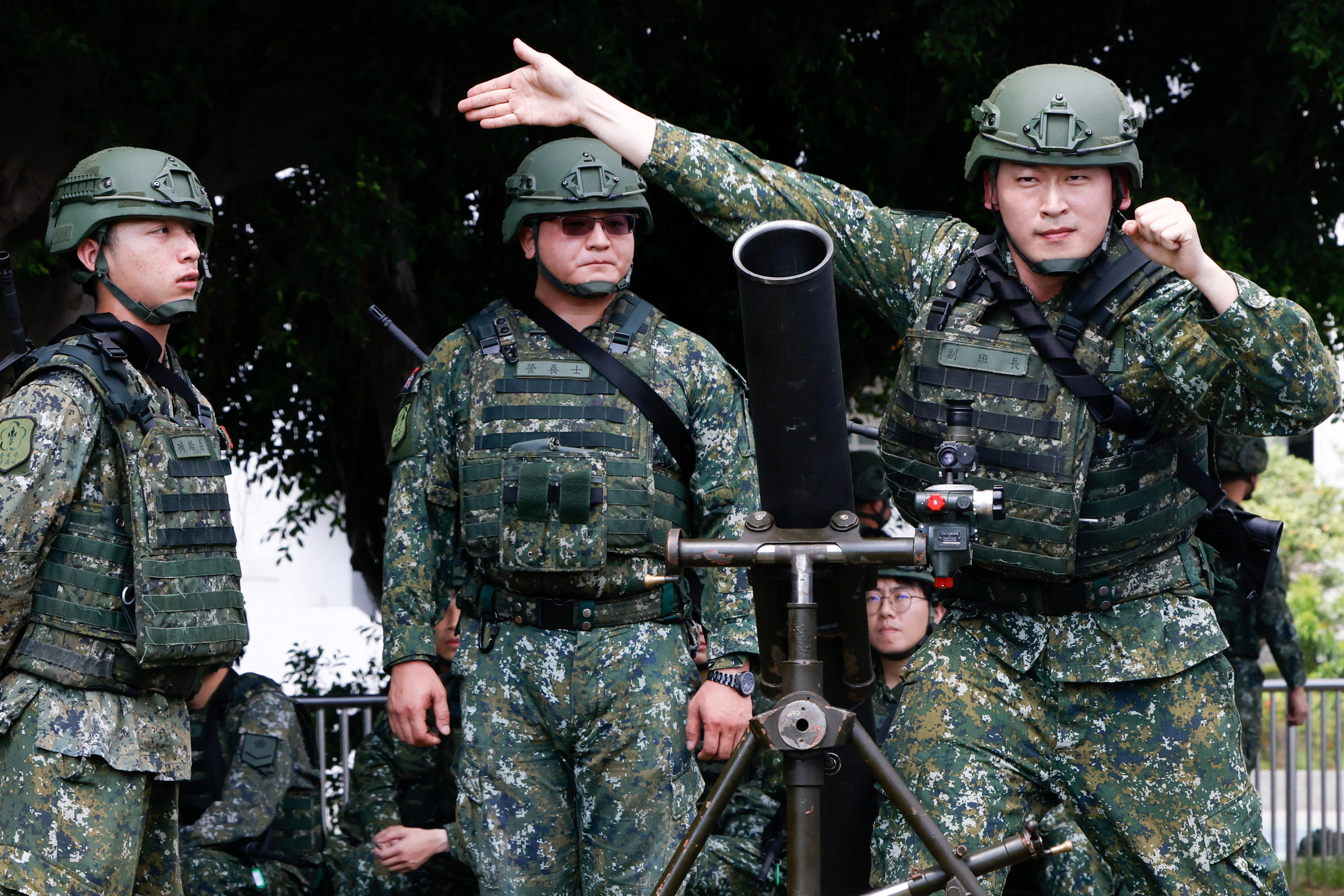
- Taiwan's military launched the 10-day annual Han Kuang exercise Wednesday from an underground command center in Taipei, ending August 14, with a focus on testing commanders' ability to adapt when enemy movements defy expectations.
- The Han Kuang drills will for the first time deliberately slow mobile internet speeds to rehearse how civilians would communicate if bandwidth became scarce during a conflict.
- Taiwan's military will adopt a U.S.-modeled "backbrief" approach for the first time, requiring junior officers receiving orders to restate mission details back to commanders to ensure operational intent is synchronized.
- The exercise will mobilize more than 20,000 reservists and simulate wartime relocation of a major arsenal, civilian factory mobilization, and escort drills off Taiwan's Pacific coast.
- Taiwan structured the scenario around a core wartime concern: China attempting to paralyze the island's command centers, ports, logistics hubs, and defense industry sites in an opening attack.
- The defense ministry is introducing an "embedded reporter" mechanism to assess wartime frontline news releases and efforts to counter enemy disinformation during the drills.
- Officials described the shift as moving away from past drills criticized as "too highly staged," saying the goal is for the final training phase to reach "real bottom-line conditions."
Why it matters: By adopting U.S. doctrinal practices like the backbrief and deliberately degrading civilian internet access during a live exercise, Taiwan is moving its annual drill from scripted rehearsal toward operational stress-testing — directly relevant given Chinese military rehearsals aimed at severing Pacific supply lines and paralyzing command nodes in an opening strike.
Ask SkimNews