EPFL discovers mitochondrial pearling organizes mtDNA — SkimNews

Get the Health newsletter
Daily health & science — research, biotech, public health, the studies worth knowing. Free.
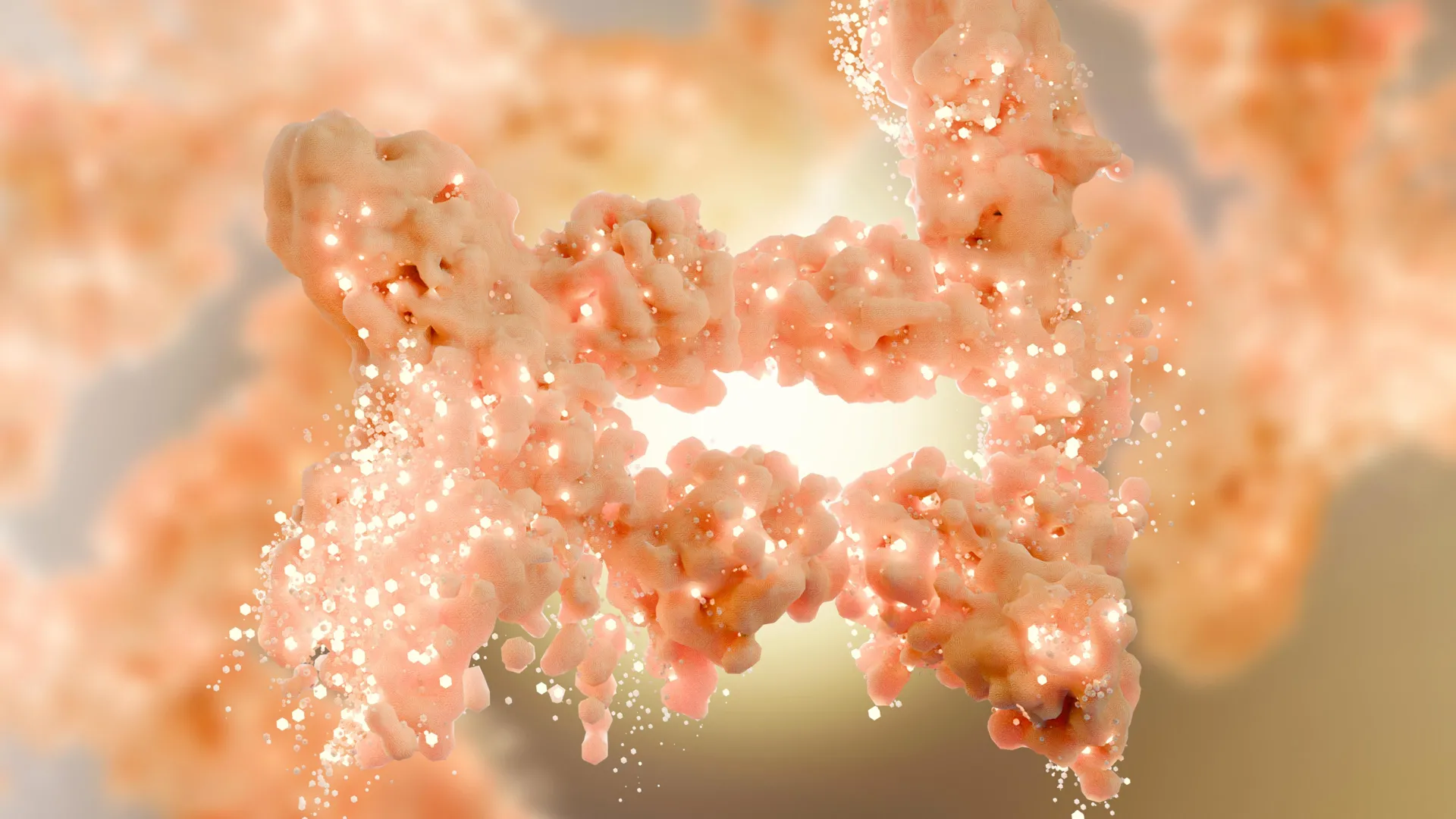
- EPFL researchers observed that mitochondria undergo a transient “pearling” transformation, forming bead‑on‑a‑string structures that separate and redistribute mtDNA clusters.
- Suliana Manley noted that pearling events occur several times per minute, with constrictions matching the regular spacing of nucleoid clusters.
- Juan Landoni identified calcium entry as the trigger for pearling and internal membrane structures as maintaining nucleoid separation.
- Margaret Reed Lewis first sketched mitochondrial pearling in 1915, an observation later dismissed as a stress anomaly.
- Science published the study (2026; 392 (6793): 102), describing pearling as a mechanism that spaces mtDNA nucleoids.
- Howard Hughes Medical Institute contributed to the research as a collaborator.
- University of California, San Francisco was a partner in the study.
Why it matters: The discovery shows that a simple physical reshaping of mitochondria can maintain even spacing of mtDNA nucleoids, a process previously unexplained and linked to metabolic, neurological, and age‑related diseases, expanding our understanding of mitochondrial genome organization in healthy and diseased cells.
Ask SkimNews