Why GLP-1 Weight-Loss Drugs Don't Work for Some Patients — SkimNews

Get the Health newsletter
Daily health & science — research, biotech, public health, the studies worth knowing. Free.
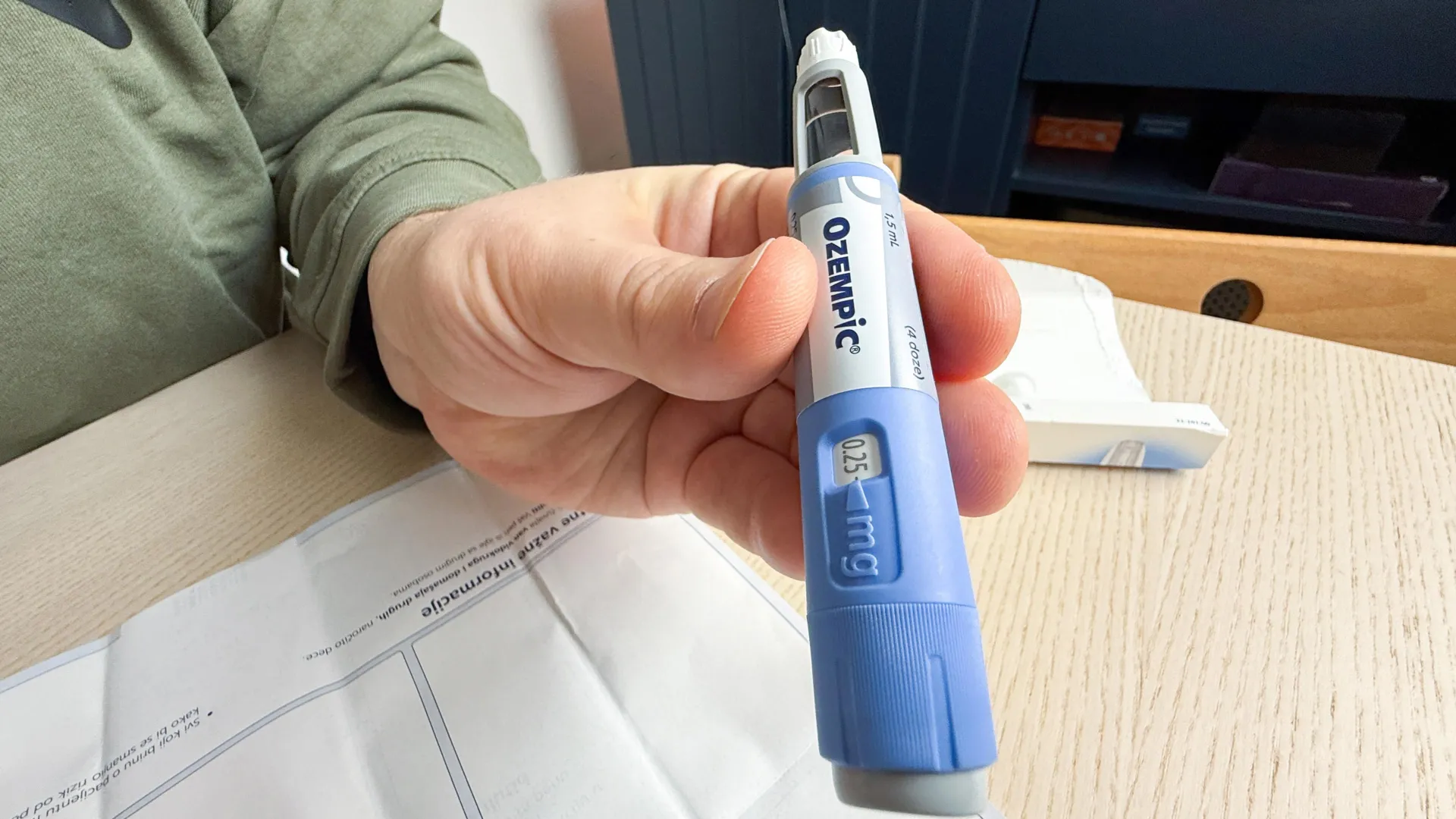
- Mercedes, a recently retired teacher in her 50s in Canada, cycled through Ozempic (9 months), Wegovy (4 months), Contrave, Mounjaro, and Zepbound (9 months) with no meaningful weight loss, describing her food cravings as "like heroin withdrawal."
- GLP-1 medications (semaglutide in Ozempic/Wegovy; tirzepatide in Mounjaro/Zepbound) help clinical trial participants lose an average of 15% to 20% of body weight, yet 9% to a third of participants lose less than 5% depending on drug and dose.
- Prof Alexander Miras of Ulster University said the short answer to non-response is "we don't really know," noting age, sex, and type 2 diabetes status all influence results, with men losing less than women and older patients losing less.
- Ancestry may play a role, with studies suggesting GLP-1s are most effective in people of European ancestry and least effective in African American patients.
- Dr Mahesh Umapathysivam of Adelaide University published findings on genetic variants affecting the PAM enzyme that appear to cause GLP-1 resistance, and pointed to evidence that oestrogen — including menopausal hormone replacement therapy — alters GLP-1 response.
- 23andMe Research Institute identified a genetic variant where carriers of two copies lose roughly 10% of expected weight, per vice-president Adam Auton.
- Bariatric surgery remains an option for non-responders, as Miras stressed that lack of GLP-1 response does not predict lack of surgical response.
Why it matters: For the millions betting on GLP-1s as a near-universal obesity fix, the data shows one in three or more patients can cycle through multiple drugs and see little weight loss — a reality the celebrity-fueled hype has largely buried and that drives both crushing out-of-pocket costs and a renewed push toward genetic and hormonal predictors.
Ask SkimNews