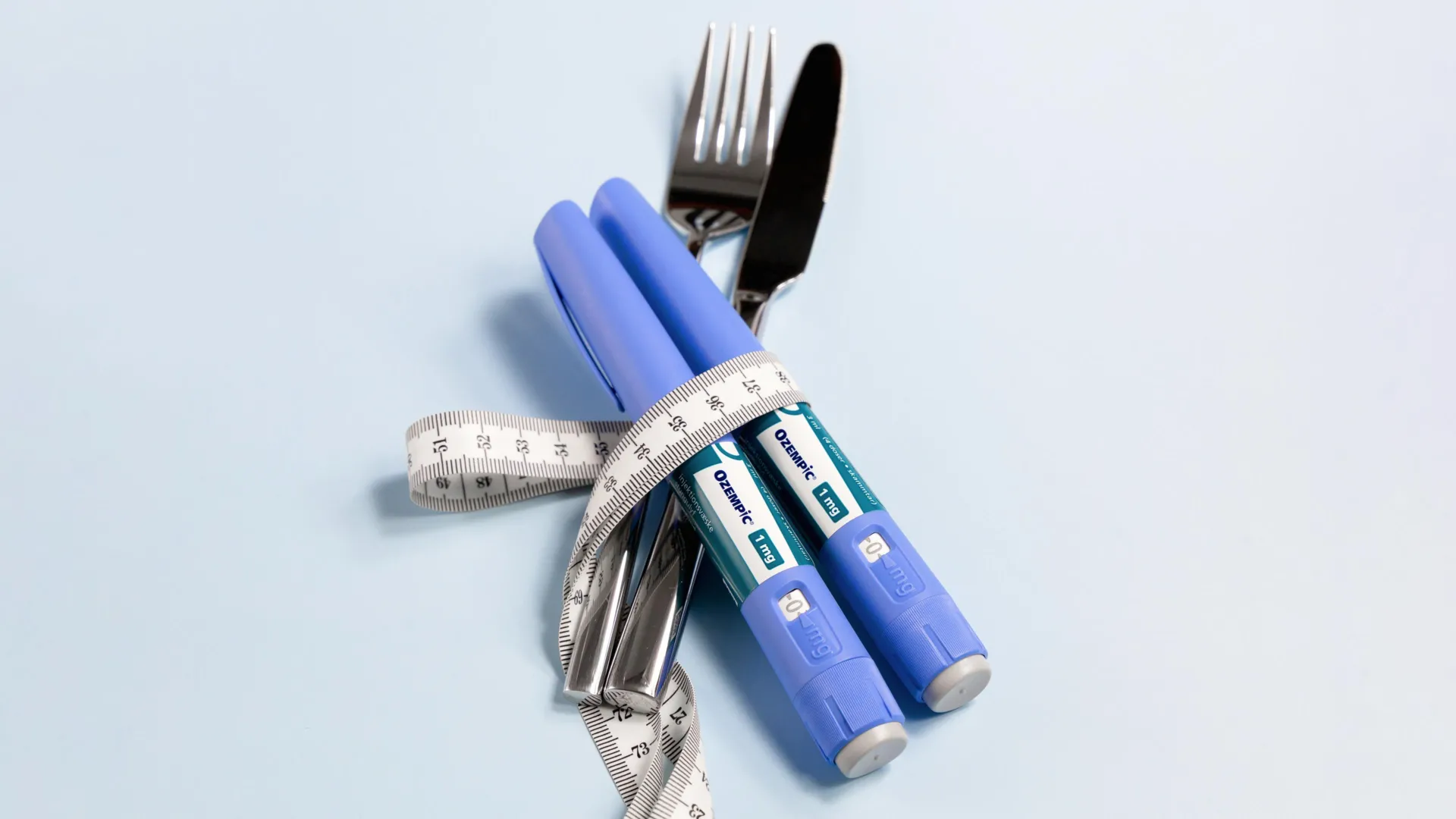
Most people who stop GLP-1 drugs like Ozempic eventually return — SkimNews
Get the Health newsletter
Daily health & science — research, biotech, public health, the studies worth knowing. Free.
- ENDO 2026 researchers analyzed Komodo Health claims data from over 60,000 U.S. adults with type 2 diabetes (Jan 2019–June 2025) and found roughly 4 in 10 stopped GLP-1 medications within a year, with nearly 6 in 10 stopping by year two.
- Sontha's analysis found that 41.5% of those who stopped restarted GLP-1 therapy within a year and 58% within two years — a pattern researchers called 'start-and-stop' rather than permanent abandonment.
- Tirzepatide users were 41% less likely to discontinue than those on older GLP-1 drugs like liraglutide, while semaglutide users were 28% less likely to stop.
- Medicaid/Medicare patients, Black patients, and those who experienced gastrointestinal side effects (37% of users) were more likely to discontinue within the first year.
- Patients prescribed by an endocrinologist were 10% less likely to stop treatment compared to those prescribed by other providers.
- Sainikhil Sontha, a research associate at Boston University School of Public Health, presented the findings at ENDO 2026 in Chicago on June 16, 2026.
Why it matters: For insurers and providers, the data reframes GLP-1 discontinuation as a recurring cycle rather than permanent patient loss — the 37% GI side-effect rate and the 10% better persistence with endocrinologist prescribers point to specific, addressable levers for keeping patients on therapy and preventing the heart attacks and kidney disease complications that consistent use is meant to prevent.
Ask SkimNews