Ozempic: 15% Weight Loss Cut Sleep Apnea Risk 69% — SkimNews

Get the Health newsletter
Daily health & science — research, biotech, public health, the studies worth knowing. Free.
- Researchers at the European Congress on Obesity (ECO 2026) presented a real-world study of 89,718 patients on GLP-1 medications, finding those who lost ≥15% of their BMI had a 37% lower risk of osteoarthritis, 30% lower risk of chronic kidney disease, 69% lower risk of obstructive sleep apnea, and 32% lower risk of heart failure compared with patients who lost less than 5%
- Roughly 50% of patients discontinued their GLP-1 medication within one year — yet the study still found strong associations between first-year weight trajectories and later disease risk over an average 11-month follow-up
- 20.8% of patients gained weight after starting treatment and faced worse outcomes, including a 69% higher risk of heart failure and a 22% higher risk of sleep apnea compared with minimal weight loss
- The heart-failure benefit of losing weight was NOT statistically significant in the study, even though the link between weight gain and higher heart-failure risk was — a nuance largely absent from the celebratory headline framing
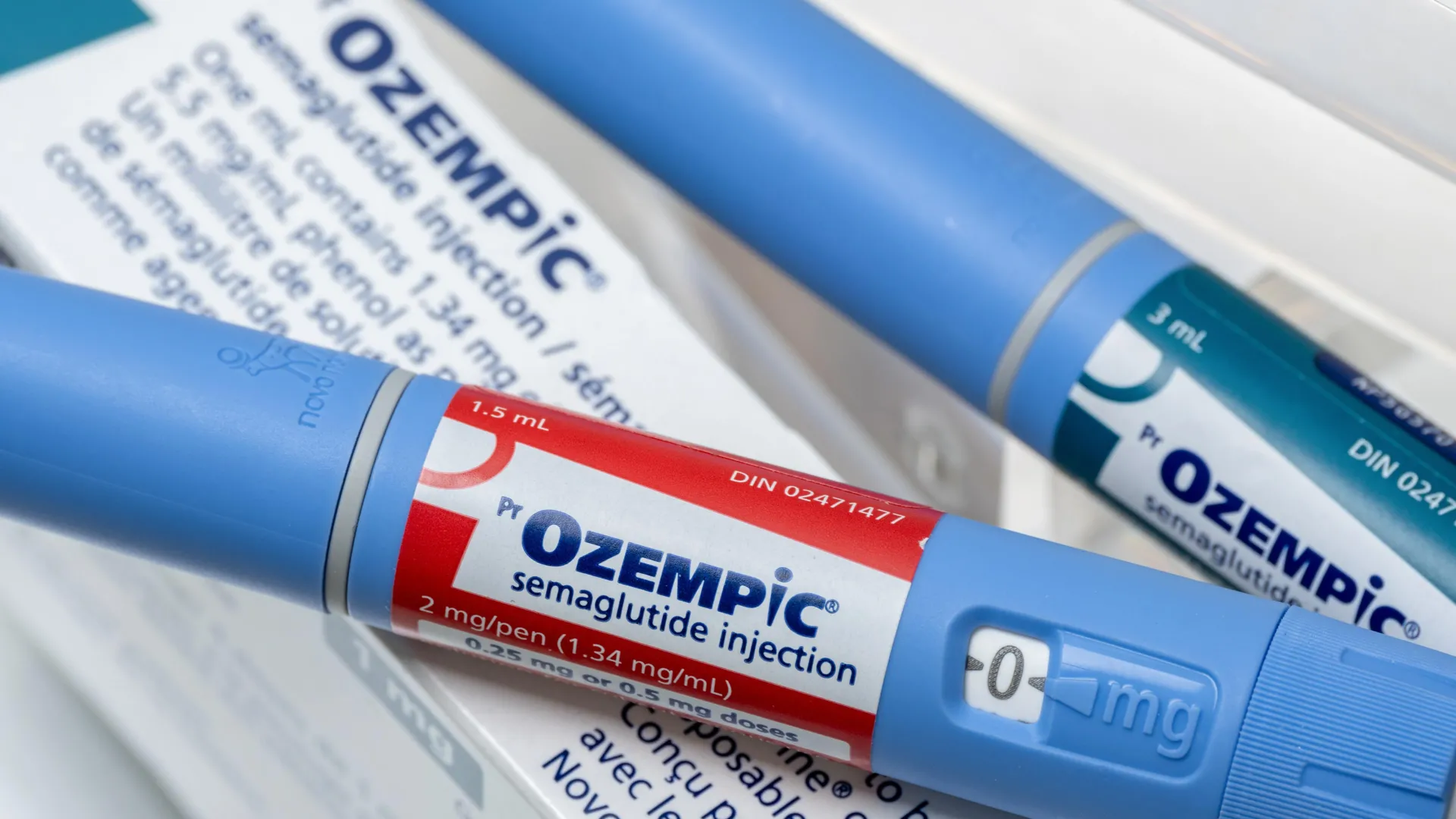
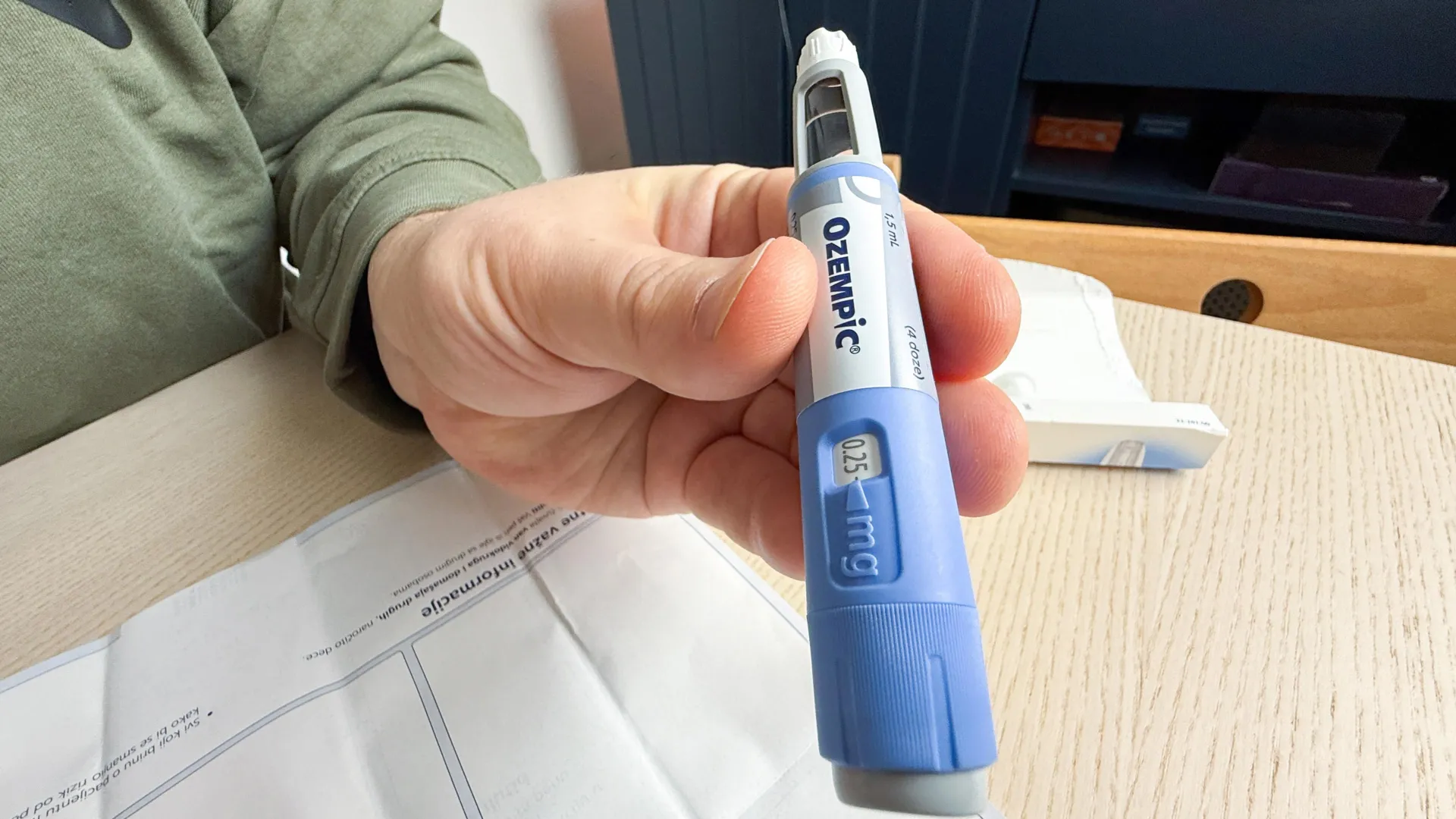
- Professor John Wilding of the University of Liverpool led the analysis using Optum Market Clarity US health-record and insurance-claims data on patients who started semaglutide (75.6%), tirzepatide (17.5%), or liraglutide (6.9%) between January 2021 and June 2024
- The average patient was 57.5 years old with a BMI of 34.7, and 61% had type 2 diabetes at baseline
Why it matters: Roughly half of the 89,718 patients stopped their GLP-1 medication within a year, and one in five actually gained weight — and that group saw a statistically significant 69% jump in heart-failure risk. The payoff from these drugs depends on sustained weight loss, not just a prescription, which complicates the narrative that simply being on Ozempic or Mounjaro protects health.
Ask SkimNews