GLP‑1 drugs cut heart attacks and strokes by 13% — SkimNews

Get the Health newsletter
Daily health & science — research, biotech, public health, the studies worth knowing. Free.
- GLP-1 receptor agonists reduced the risk of major adverse cardiovascular events by about 13% in 11 outcome trials with an average follow‑up of nearly three years.
- Anglia Ruskin University researchers reviewed data from more than 90,000 participants in large international clinical trials to assess long‑term cardiovascular outcomes of GLP‑1 drugs.
- The review found no meaningful increase in serious safety risks such as severe hypoglycaemia or acute pancreatitis compared with placebo, though gastrointestinal side effects remained more common.
- High‑risk patients (those with obesity, type 2 diabetes, or existing heart disease) experienced the strongest reduction in heart attacks, strokes, and premature death.
- Dr. Simon Cork said the cardiovascular benefits were consistent across different GLP‑1 drugs, trial designs, and patient groups, supporting broader use in clinical practice and health policy.
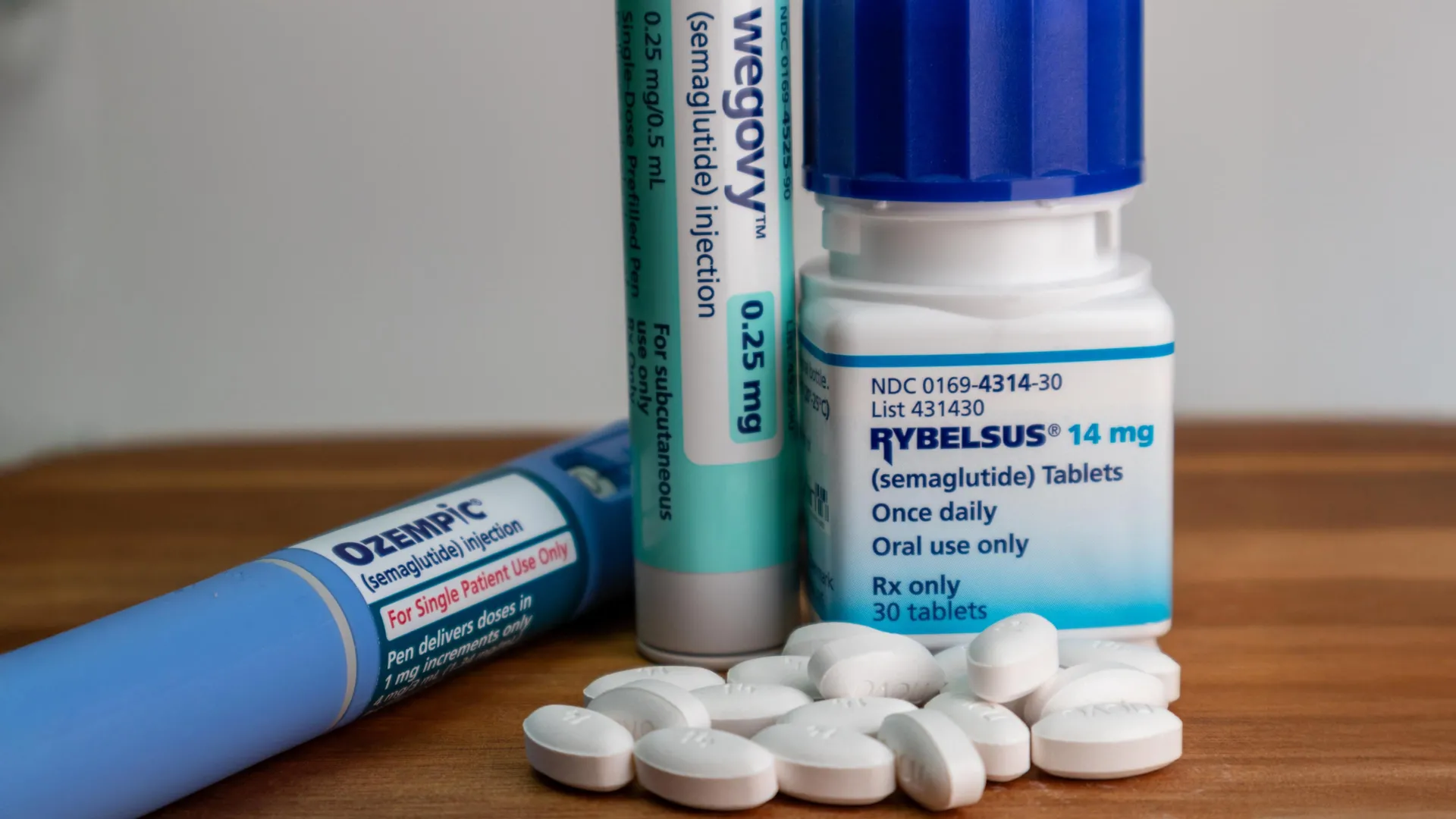
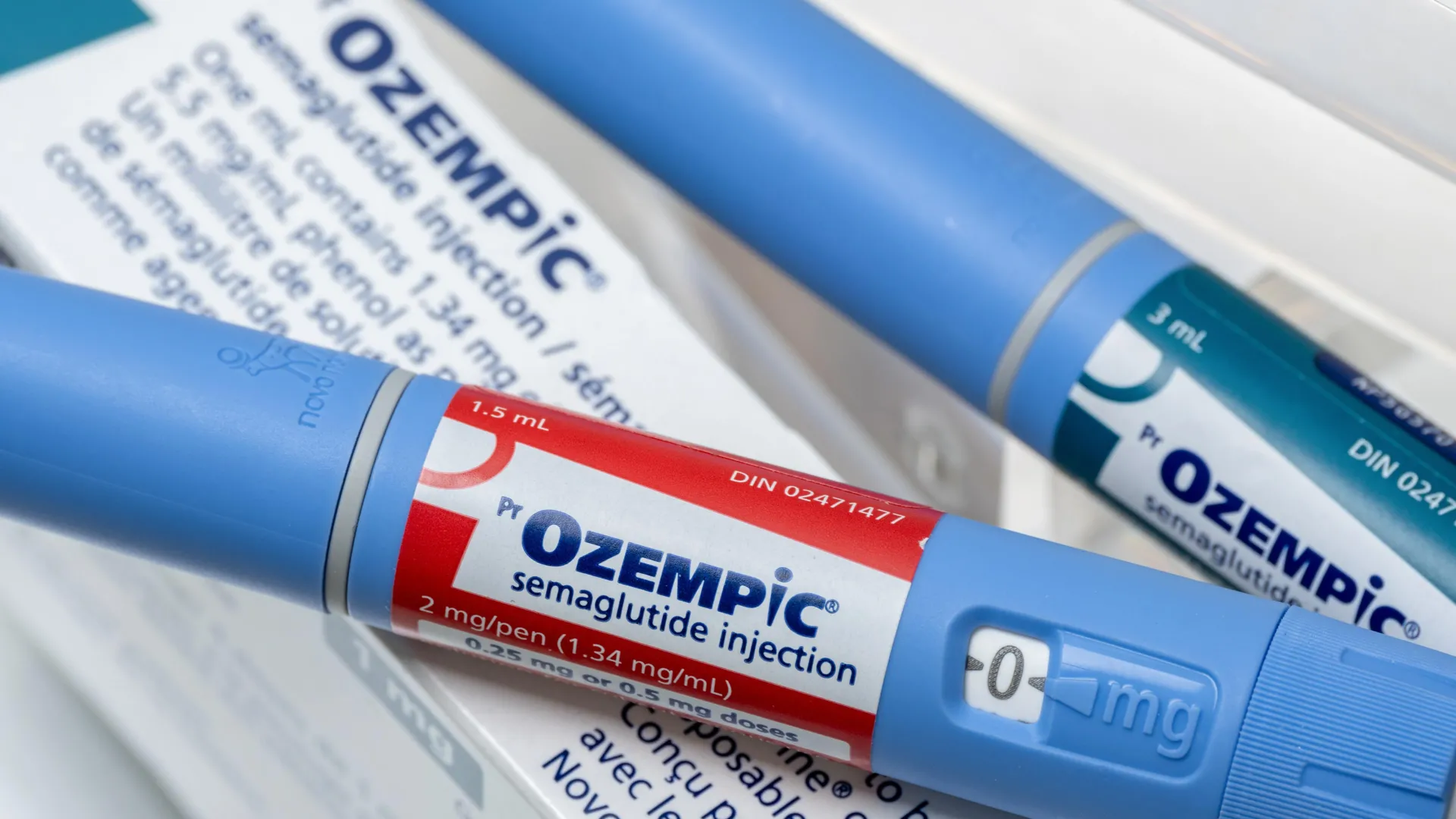
- Semaglutide, liraglutide, and dulaglutide are the widely used GLP‑1 receptor agonists highlighted in the analysis, underscoring that the benefits apply across multiple drug formulations.
Why it matters: Patients with obesity, type 2 diabetes or existing heart disease gain a roughly 13% reduction in heart attacks, strokes and premature death, while health systems gain lower cardiovascular mortality without new safety concerns, as the review found no increase in severe hypoglycaemia or pancreatitis.
Ask SkimNews