Semaglutide Tied to 40% Fewer Asthma Attacks in Study — SkimNews
Get the Health newsletter
Daily health & science — research, biotech, public health, the studies worth knowing. Free.
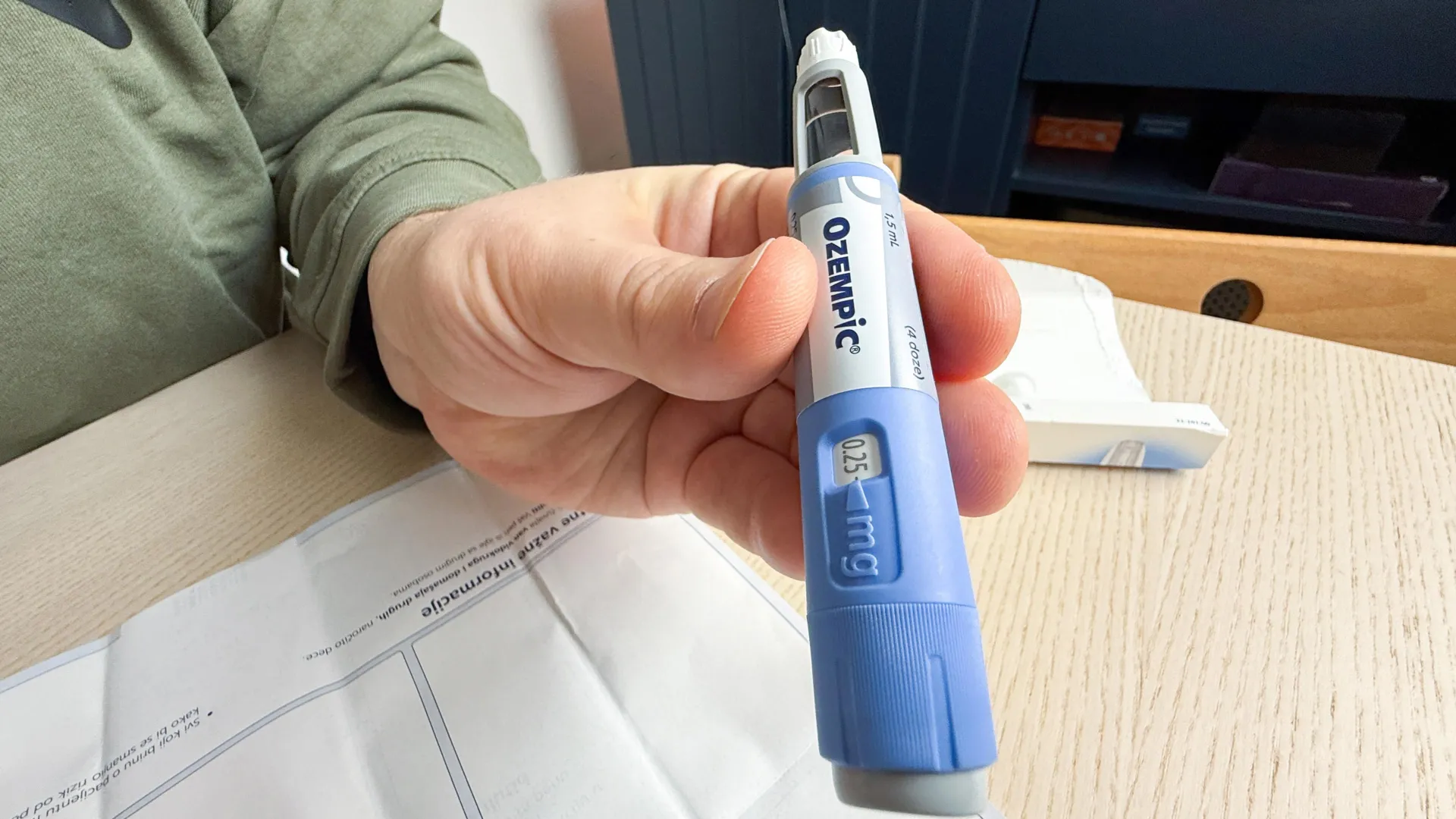
- Semaglutide was linked to nearly 40% fewer asthma attacks and about 20% fewer COPD flare-ups in a large real-world UK study presented at the European Respiratory Society Congress in Barcelona.
- The research, led by Professor Chloe Bloom of Imperial College London and presented by Dr. Bohee Lee, analyzed electronic medical records across four parallel studies of 20,000–22,000 people each, comparing GLP-1 receptor agonists against sulfonylurea diabetes drugs.
- Among the GLP-1 drugs examined, semaglutide showed the strongest respiratory effect, particularly in asthma patients.
- Bloom cautioned the findings should not change treatment decisions, saying asthma and COPD patients should not start GLP-1 agonists specifically for lung conditions outside current prescribing guidance.
- Dr. Alexander Mathioudakis, Chair of the ERS Group on Airway Pharmacology and Treatment at the University of Manchester, said obesity and metabolic dysfunction are under-recognized drivers of airways disease and called for future metabolic drug trials to include respiratory endpoints like exacerbations and lung function.
Why it matters: For the millions of asthma and COPD patients who already qualify for GLP-1 drugs because of obesity or type 2 diabetes, the data hints at a potential secondary respiratory benefit — but both Bloom and Mathioudakis stressed that real-world associations are not clinical evidence, and randomized trials with respiratory outcomes are the gatekeeper before any treatment guidance changes.
Ask SkimNews