Semaglutide (Ozempic) linked to fewer bone fractures despite greater weight loss — SkimNews
Get the Health newsletter
Daily health & science — research, biotech, public health, the studies worth knowing. Free.
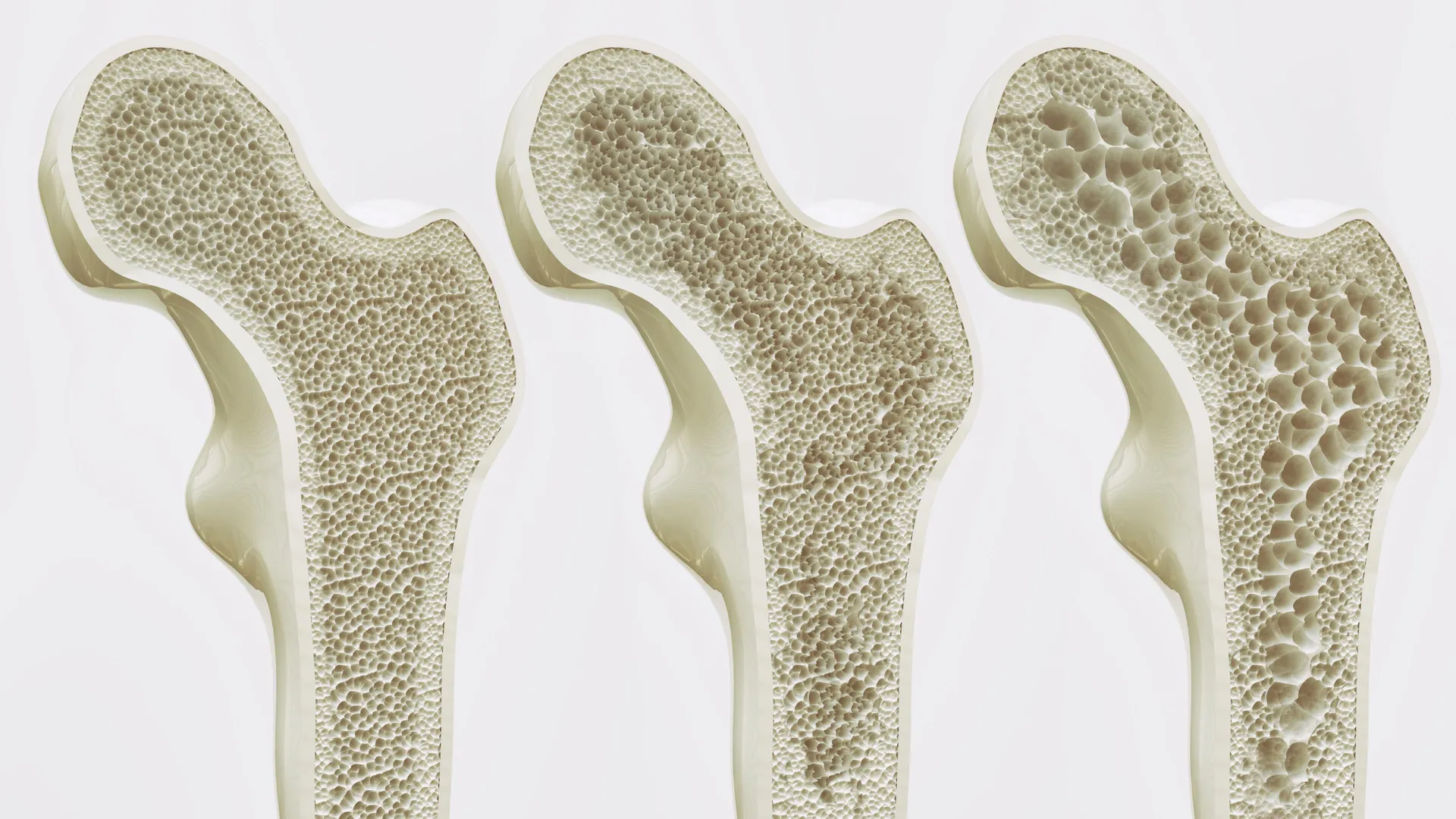
- Semaglutide was linked to a 15% lower risk of bone fractures in a retrospective study of 59,879 adults with type 2 diabetes, even as users achieved greater BMI reduction than those on comparator medications.
- The analysis recorded 794 fractures among 26,324 semaglutide users versus 1,045 fractures in a comparison group of 33,555 patients taking dulaglutide, phentermine/topiramate, or bupropion/naltrexone — all of whom had no prior semaglutide use.
- The Endocrine Society presented the findings Sunday at ENDO 2026 in Chicago, framing them as counterintuitive to earlier research suggesting rapid GLP-1–driven weight loss may thin bones and raise fracture risk.
- Jairo Noreña, M.D., a former endocrinology fellow at Stanford University Medical Center, led the work using the Atropos Health Eos electronic health record database, which covers 161 million U.S. patients treated between January 2016 and December 2023.
- Noreña called fractures "painful, expensive and [able to] seriously affect quality of life," urged bone health monitoring in weight-loss programs, and stressed that additional prospective studies are still needed to confirm the protective association.
Why it matters: For the millions of patients on GLP-1 agonists, a 15% fracture reduction across nearly 60,000 patients cuts against the prior clinical concern that rapid weight loss degrades bone density — and gives endocrinologists and insurers a new data point for weighing bone-density monitoring protocols. The lead researcher himself, however, is calling for prospective trials before anyone treats the signal as definitive.
Ask SkimNews