Semaglutide tied to 42% drop in psychiatric hospital visits — SkimNews

Get the Health newsletter
Daily health & science — research, biotech, public health, the studies worth knowing. Free.
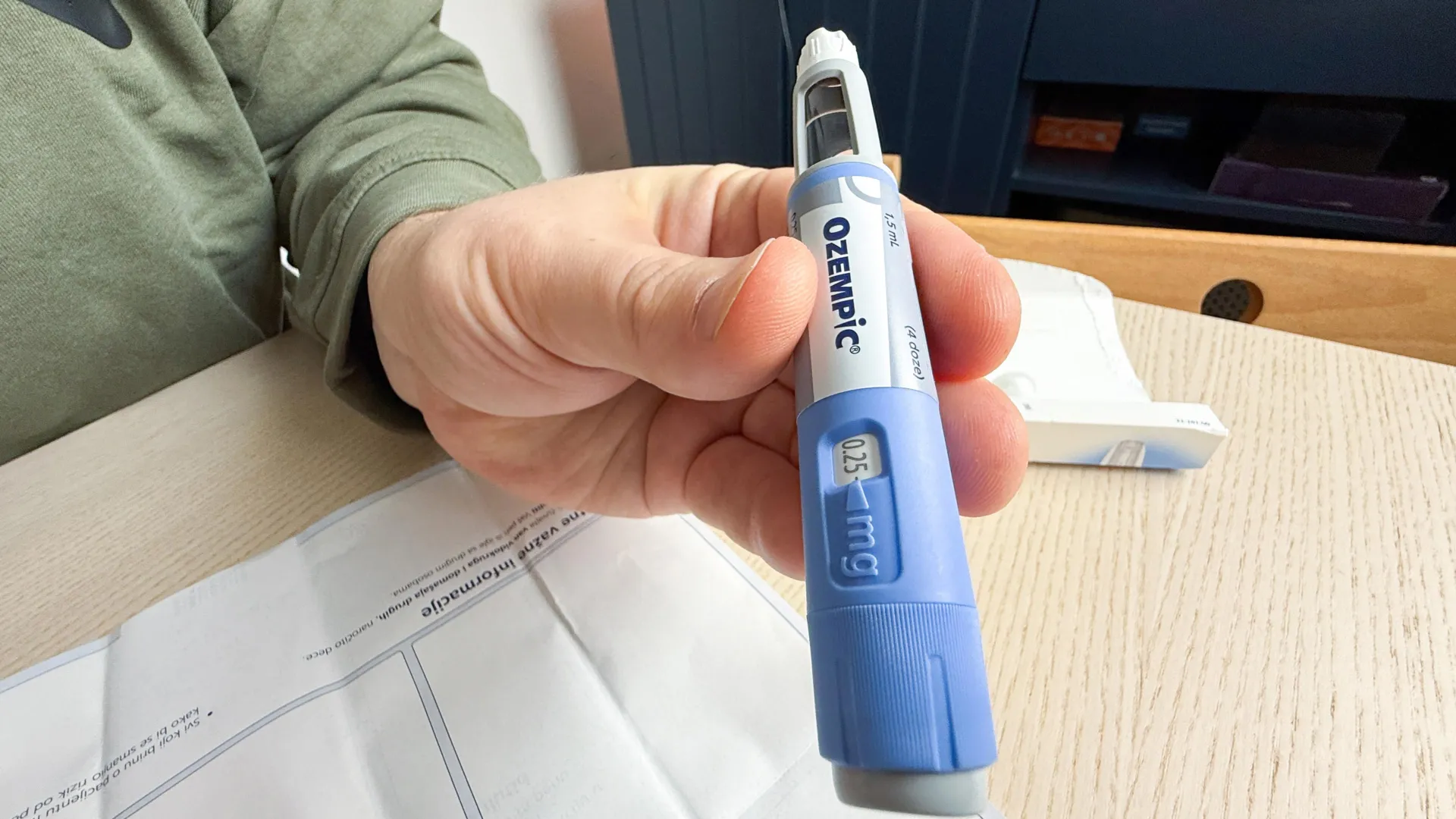
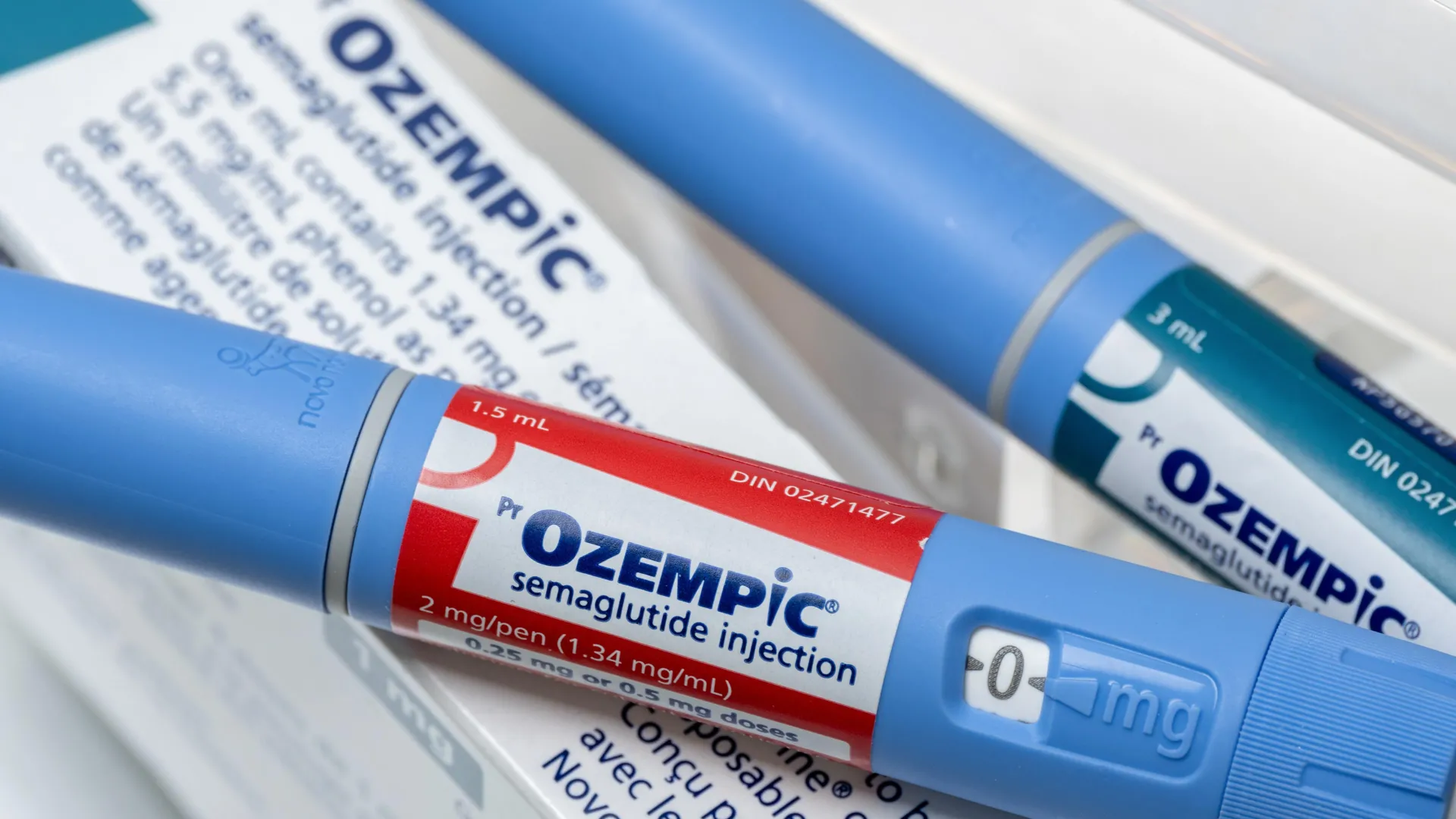
- Semaglutide (Ozempic) use was tied to a 42% drop in psychiatric hospital visits and reduced mental-health-related sick leave compared with periods without GLP-1 treatment, in a Swedish register study of nearly 100,000 people.
- Depression risk fell 44% and anxiety disorders dropped 38% during semaglutide treatment periods in the same analysis.
- Substance use disorder-related hospital care and work absences were 47% lower during semaglutide use, and GLP-1 receptor agonists were also linked to a reduced risk of suicidal behavior.
- Researchers from the University of Eastern Finland, Karolinska Institutet, and Griffith University tracked more than 20,000 GLP-1 users via Swedish national health registers from 2009 to 2022.
- Professor Mark Taylor of Griffith University said prior Swedish register data had already linked GLP-1s to lower alcohol use disorder risk, making the mood and anxiety benefits expected.
- Research Director Markku Lähteenvuo said the strength of the association was surprising and may reflect not just weight loss and glycemic control but direct neurobiological effects through the brain's reward system.
- The study was published in The Lancet Psychiatry (2026; 13(4):327), adding large-scale evidence to a field where earlier research had produced mixed findings.
Why it matters: The 100,000-person scale and 42-47% reductions across depression, anxiety, and substance use measures represent the strongest evidence yet for psychiatric benefits of GLP-1 drugs, though the registry design means researchers cannot determine whether semaglutide directly causes the improvement or whether lifestyle changes are driving it.
Ask SkimNews