Ozempic Tied to 21% Lower Psychiatric Hospitalization Risk — SkimNews
Get the Health newsletter
Daily health & science — research, biotech, public health, the studies worth knowing. Free.
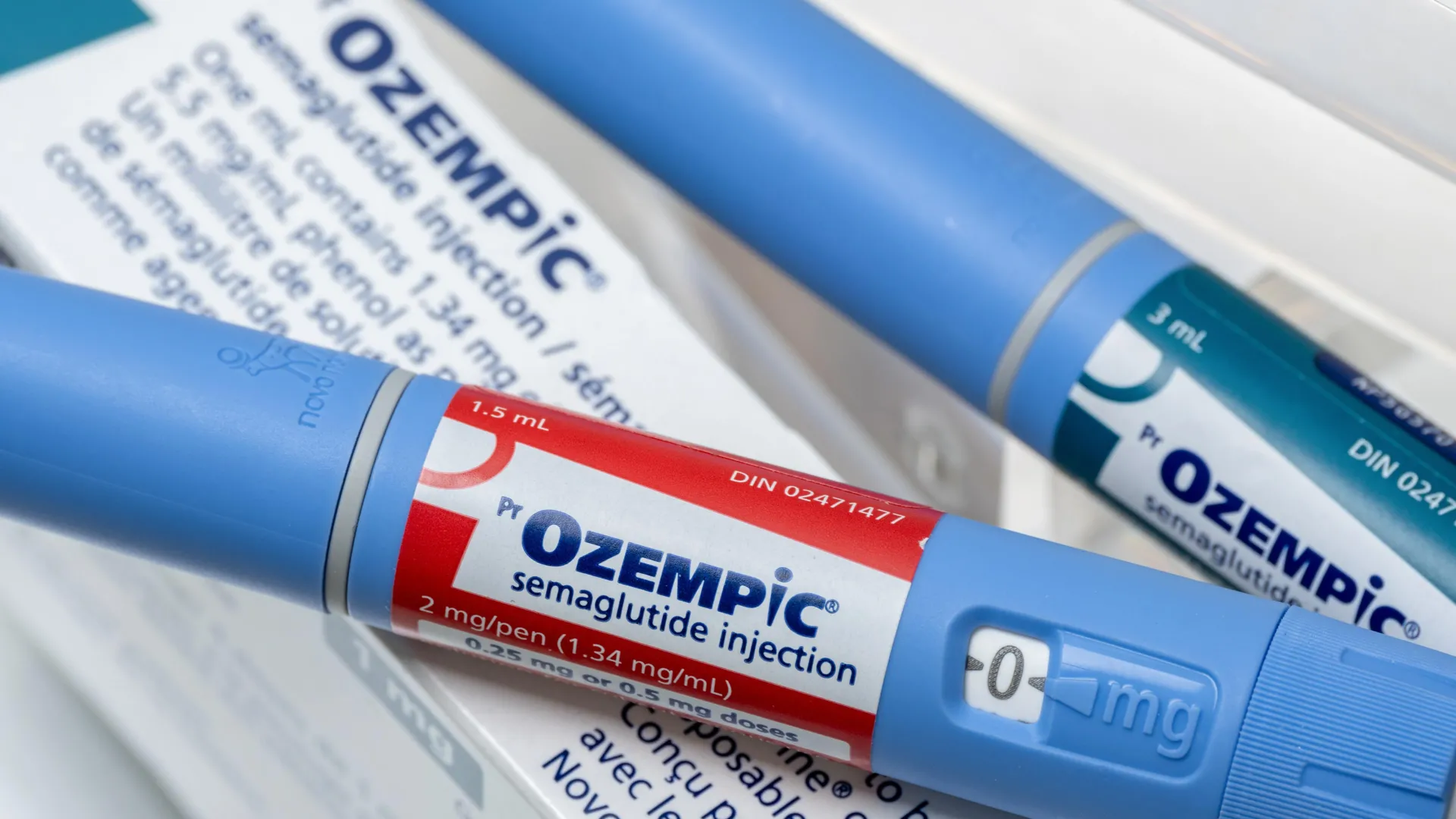
- Semaglutide (Ozempic/Wegovy) was associated with a 21% lower risk of psychiatric hospitalization in people with bipolar disorder, according to a nationwide Swedish study of nearly 15,000 patients.
- Professor Mark Taylor of Griffith University's School of Medicine and Dentistry led the research, analyzing nationwide Swedish prescription and hospitalization data from 2009 to 2024.
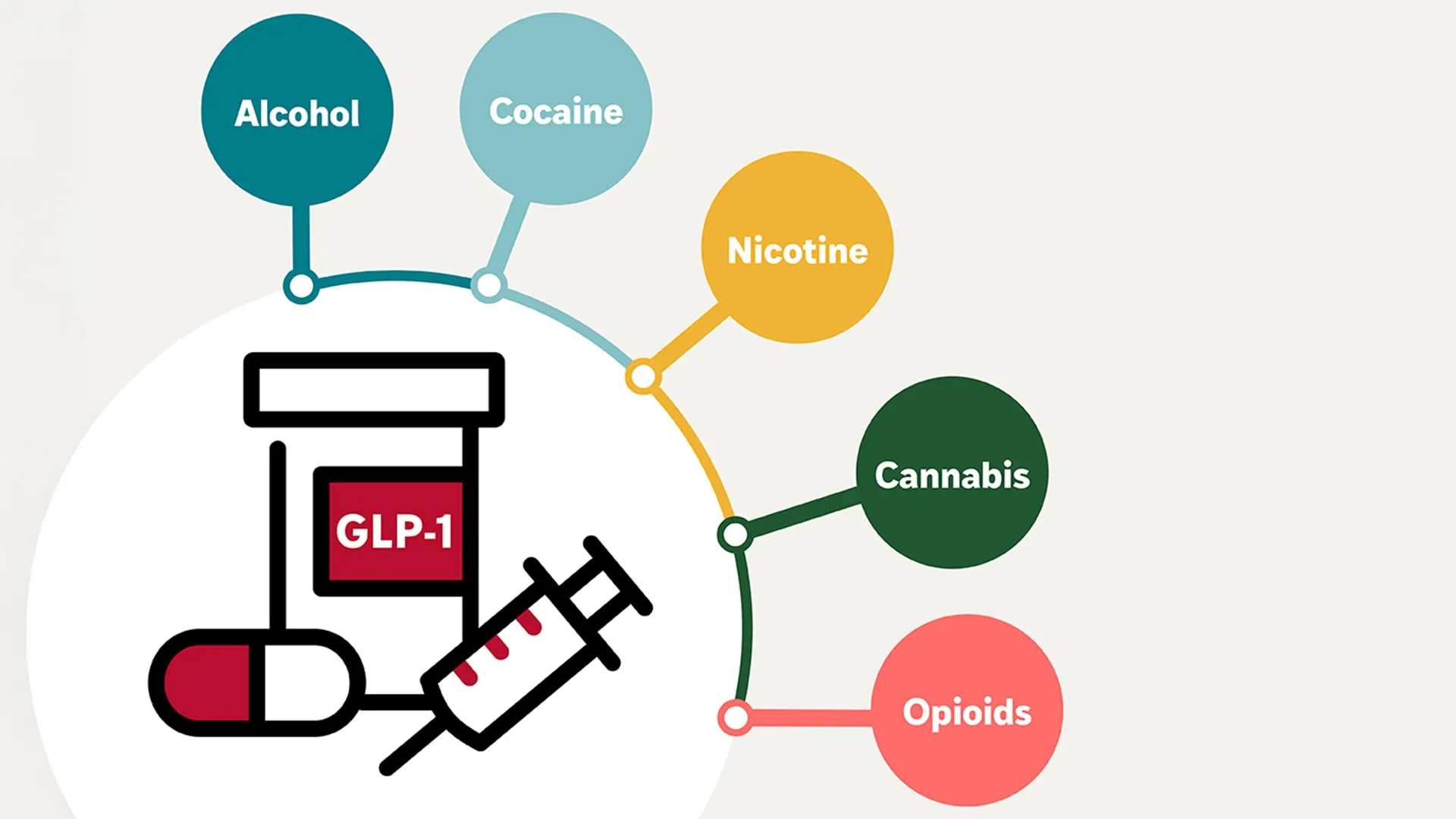
- Liraglutide and dulaglutide, two other GLP-1 medications, did NOT show the same reduced hospitalization risk, suggesting any mental health benefit may be specific to semaglutide rather than the whole drug class.
- Griffith University researchers proposed that semaglutide's anti-inflammatory and neuroprotective effects on brain-related biological pathways could contribute to greater mood stability and a lower relapse risk.
- Professor Taylor called for a randomized controlled trial to determine whether semaglutide itself can improve psychiatric outcomes, noting the current finding is observational.
- The study was published in Acta Psychiatrica Scandinavica, with WHO data cited showing roughly 37 million people worldwide live with bipolar disorder, a condition that frequently co-occurs with diabetes and obesity.
Why it matters: If a randomized controlled trial confirms the observational finding, semaglutide could become a dual-purpose treatment for the estimated 37 million people worldwide with bipolar disorder, a population that often also faces diabetes and obesity. The fact that other GLP-1 drugs did not show the same effect narrows the clinical question from 'the whole class' to this specific molecule.
Ask SkimNews