Study: Most Keep Weight Off After Stopping Ozempic — SkimNews

Get the Health newsletter
Daily health & science — research, biotech, public health, the studies worth knowing. Free.
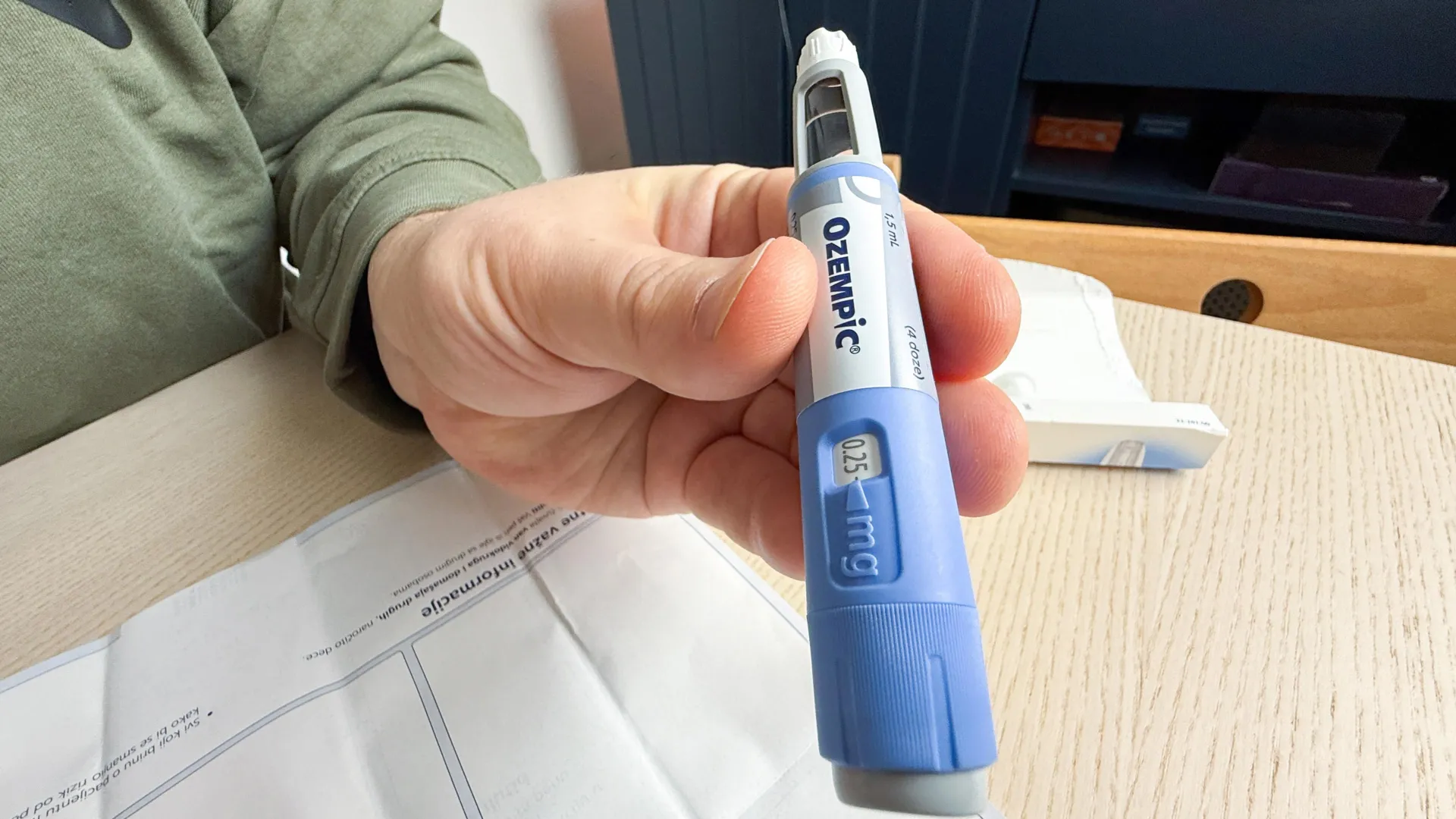
- Cleveland Clinic researchers published a retrospective cohort study of 7,938 adults in Ohio and Florida in Diabetes, Obesity and Metabolism, finding that stopping semaglutide or tirzepatide does not typically trigger major weight regain in everyday clinical practice.
- Patients treated for obesity lost an average of 8.4% of body weight before stopping and regained only 0.5% after one year, while diabetes patients lost 4.4% and continued losing an additional 1.3% over the following year.
- Among obesity-treated patients, 55% gained weight after stopping while 45% maintained or continued losing; in the diabetes group, 44% gained weight and 56% maintained or continued losing.
- The two main reasons patients stopped were cost or lack of insurance coverage and side effects, with financial barriers the most common factor — and diabetes patients were more likely to restart because their prescriptions had more consistent insurance coverage.
- After stopping initial treatment, 27% switched to another medication, 20% restarted their original drug, 14% pursued lifestyle-focused care with dietitians or exercise specialists, and less than 1% underwent bariatric surgery.
- Lead researcher Dr. Hamlet Gasoyan said the findings contrast with earlier randomized clinical trials, which showed patients regaining more than half of lost weight within a year — outcomes in real-world practice differ because patients have more flexibility to adjust treatment plans.
Why it matters: Insurance coverage, not biology, is the main lever driving who regains weight after stopping GLP-1s. The so-called 'real-world' success story is mostly patients who restart or switch drugs, not those who quit cold — meaning the optimistic framing in headlines depends on the same financial access that caused them to stop in the first place.
Ask SkimNews