London School Replaces Flooded Tarmac With Rain Gardens — SkimNews

Get the Energy newsletter
Daily energy & climate — solar, EVs, oil, the policy fights and tech bets shaping the transition. Free.
- St John's Church of England Primary in Barnet, north London, had a play area that flooded so severely children had to be dismissed from inside the building, with parents "stepping into puddles" to lift them out of the classroom, headteacher Macci Dobie said.
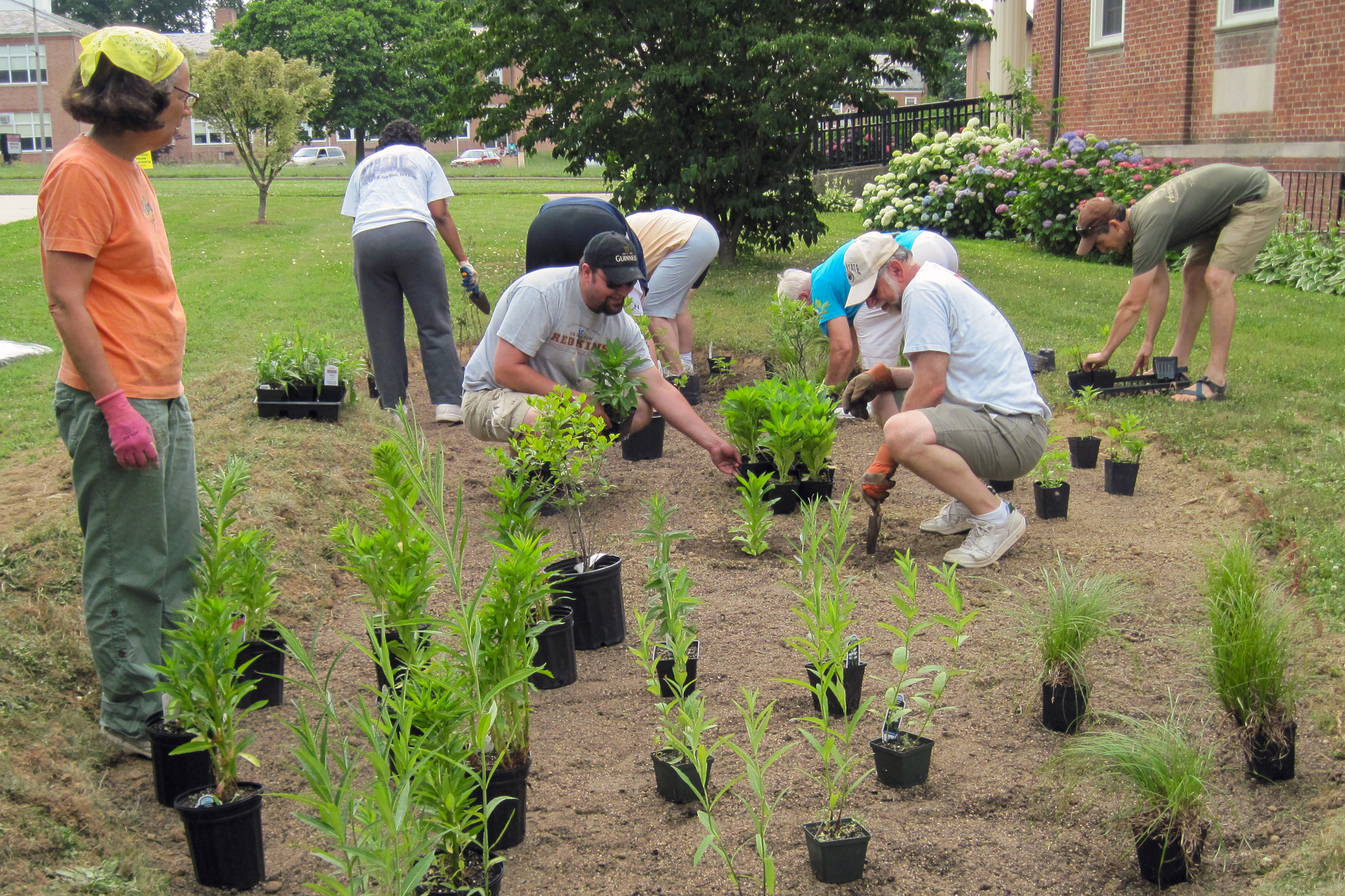
- Parent governor Sarah Taggart secured Department for Education funding by classifying the site as high flood-risk and enlisted Trees for Cities, whose landscape architect Alfie Davies removed tarmac and installed rain gardens with stepping logs, ornamental grasses, shrubs, perennial flowers, and a native bird cherry tree.
- The redesigned playground now drains heavy rainfall in roughly 10 minutes, Dobie said, ending the "wet breaks" that previously forced pupils indoors — year 5 pupil Juliet noted that being stuck inside made "your brain get all wrong."
- Trees for Cities runs a year-long engagement programme at the school linking science lessons to the new plant life, with pupils helping to water the gardens in warmer months and going on tree identification walks in a nearby park.
- The redesign also targets the urban heat island effect, with Davies citing the bird cherry tree as naturally tolerating boggy ground while staying drought-resistant — part of a wider push that includes a 2024 UN call on extreme heat, Paris's Oasis Schoolyards shade scheme, and a 2020 Standards Council of Canada report on thermally comfortable playgrounds.
Why it matters: The DfE-funded project, delivered by Trees for Cities, solved a chronic flooding problem that had forced pupils indoors for breaks while adding an outdoor science curriculum. Pupil Juliet's observation that being stuck inside made "your brain get all wrong" underscores a concrete wellbeing gain: usable play space was restored at a school that had effectively lost it.
Ask SkimNews