States Expand EV Incentives After Federal Rollback — SkimNews
Get the Energy newsletter
Daily energy & climate — solar, EVs, oil, the policy fights and tech bets shaping the transition. Free.
- Trump administration froze billions in EV charging infrastructure funding and eliminated federal EV tax credits of up to $7,500 for new and used vehicles, with García noting the cuts came in legislation that also reduced food assistance and boosted coal, oil, and gas.
- California launched the MyFirstEV program this summer, providing instant rebates to drivers who haven't previously purchased or leased an EV, funded through a partnership with the state and 13 automakers.
- Colorado expanded its Vehicle Exchange Colorado program after the federal rebate loss, offering eligible residents up to $15,000 off a new EV with state incentives alone, and set up ReCharge Coaches to educate consumers.
- Express Credit Union in Washington State offers below-market-rate loans for new or used EVs, which García highlights as a favorable-financing model other lenders could replicate.
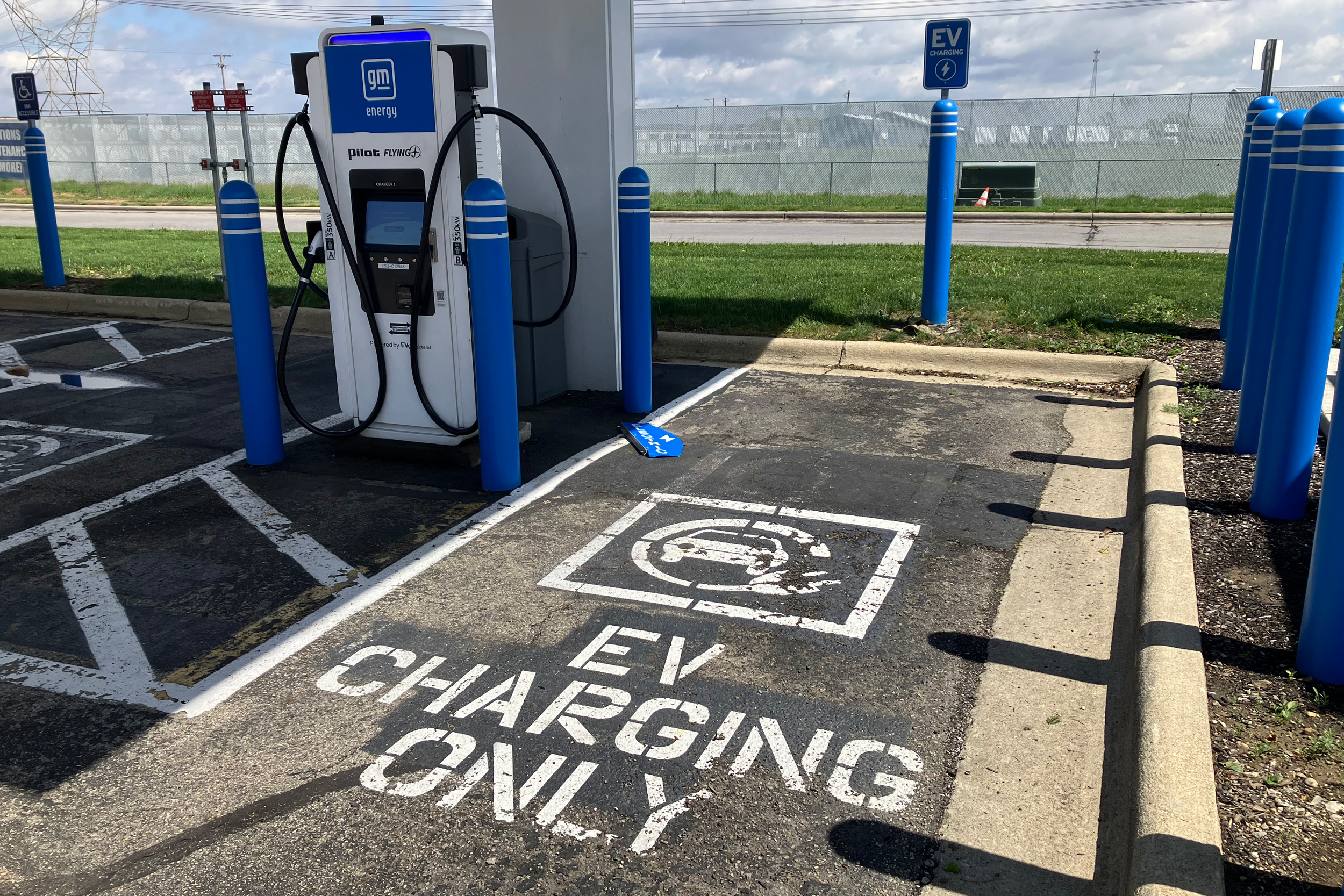
- Delaware's Electric Vehicle Charging Equipment Rebate Program covers a substantial portion of charger installation costs at apartments, condos, office buildings, businesses, and other public places.
- Sierra Club is also pushing automakers to renew EV commitments and produce more affordable models at scale, arguing manufacturers must keep investing even as federal policy retreats.
- National average gas prices stayed above $4 per gallon for all of August per AAA, and the article links elevated pump prices to "Trump's war of choice in Iran," framing EVs as a hedge against that volatility.
Why it matters: With federal EV incentives gone and charging infrastructure funding frozen, state programs in California, Colorado, Delaware, and Washington are now the primary public support for EV adoption, and Sierra Club is pitching them as a nationwide roadmap. Households paying above $4 a gallon face the strongest immediate case for switching, while the Sierra Club's simultaneous call on automakers to keep producing affordable EVs signals that state dollars alone won't solve supply-side gaps.
Ask SkimNews