Trump is stalling EV adoption. Here’s how states can step up. — SkimNews
Get the Energy newsletter
Daily energy & climate — solar, EVs, oil, the policy fights and tech bets shaping the transition. Free.
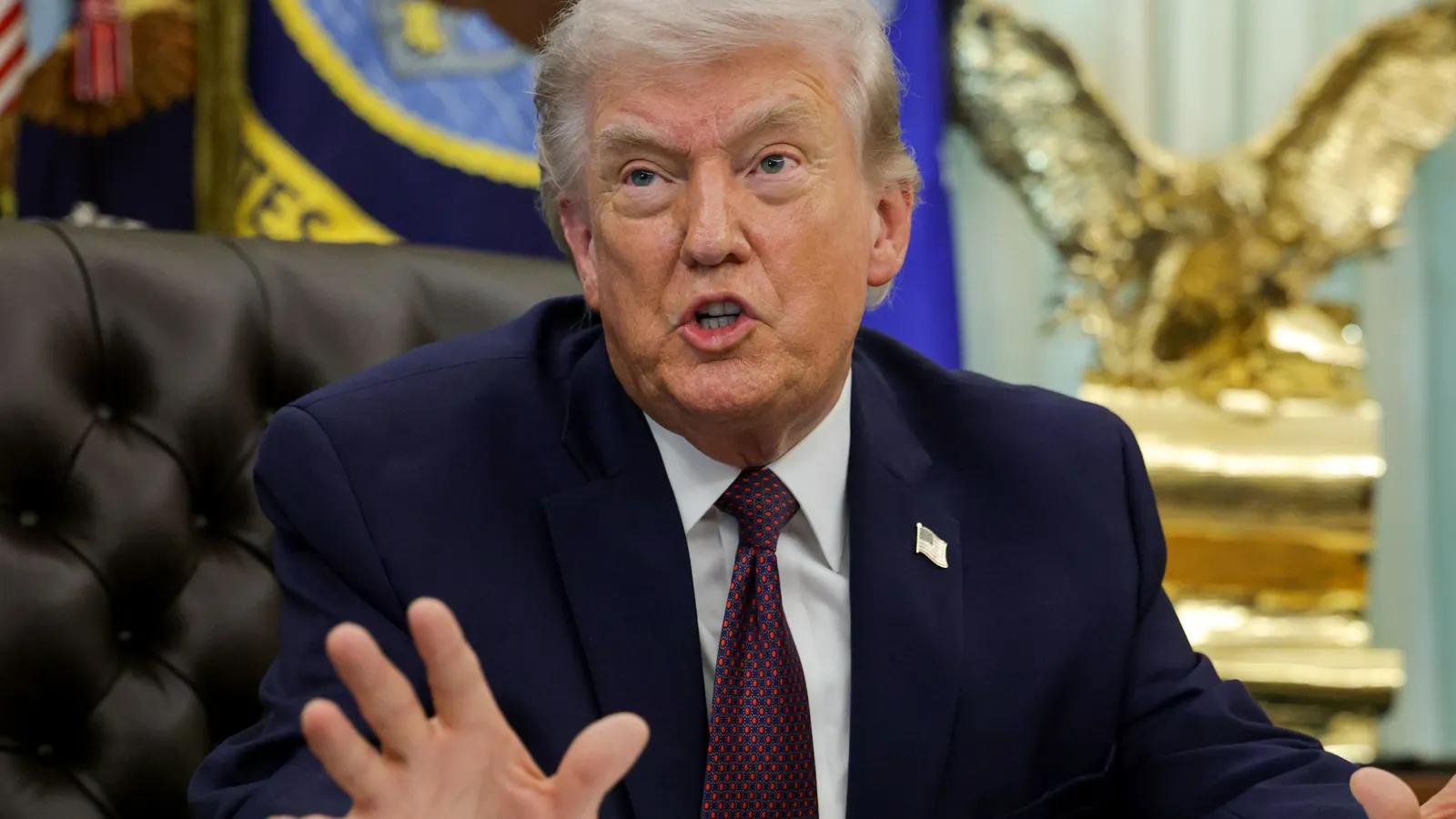
- Trump administration illegally froze billions in EV charging infrastructure funding and eliminated federal EV tax credits of up to $7,500 for new and used vehicles, according to Sierra Club's Katherine García
- Gas prices stayed above $4 per gallon through August per AAA and have risen since, which García attributes to Trump's "war of choice in Iran" — making EV cost savings more acute
- California launched its MyFirstEV program this summer, offering instant rebates to first-time EV buyers through a partnership between the state and 13 automakers
- Colorado expanded its Vehicle Exchange Colorado program after losing federal rebates, offering up to $15,000 off a new EV and pairing incentives with ReCharge Coaches to boost participation
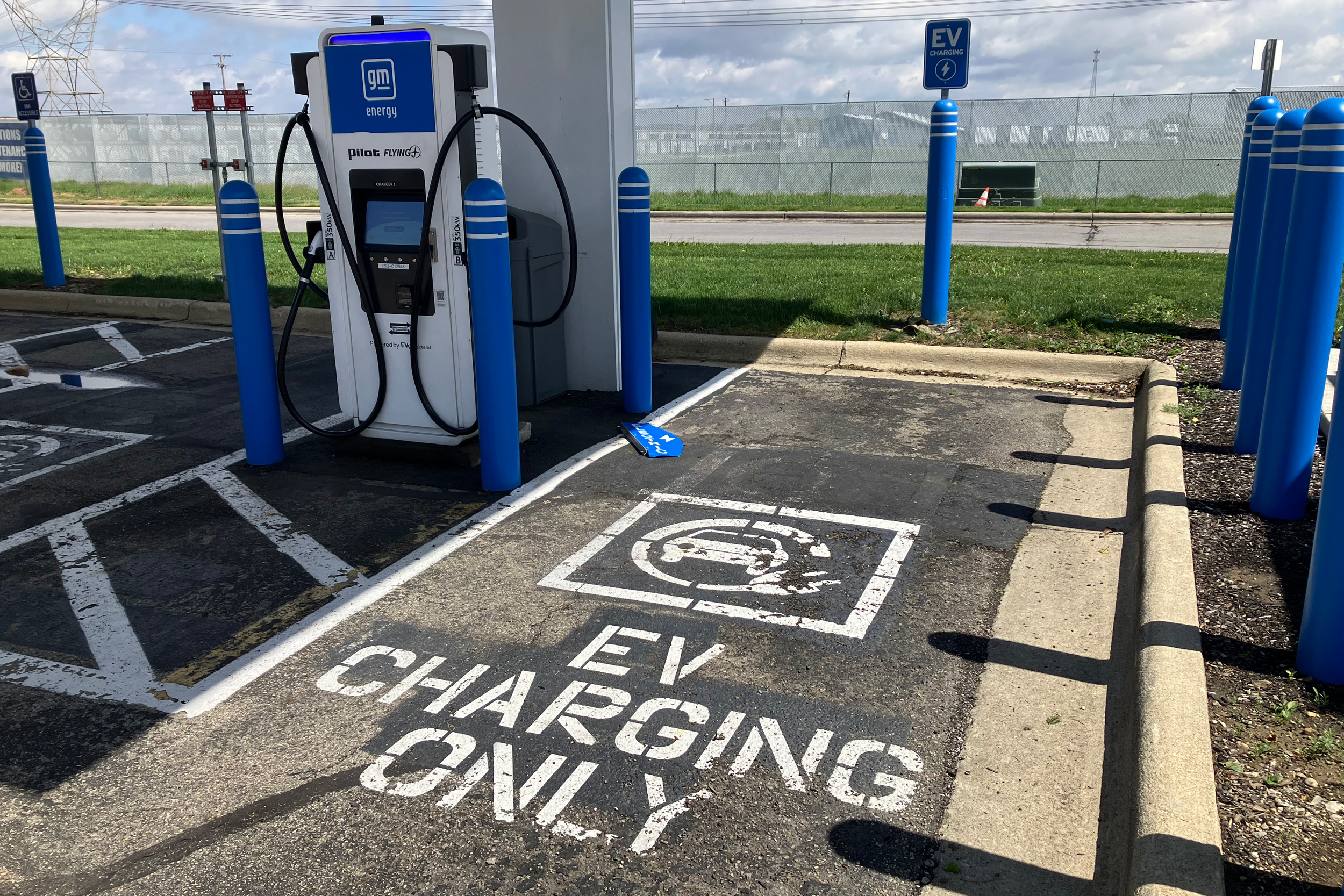
- Washington State lender Express Credit Union provides below-market-rate loans for new or used EVs, while Delaware's Electric Vehicle Charging Equipment Rebate Program covers a substantial portion of installing chargers at apartments, offices, and public spaces
- Sierra Club's AchiEVe toolkit catalogs additional state incentive and financing programs and is pushing automakers to renew EV manufacturing commitments and scale affordable models
Why it matters: With federal EV tax credits of up to $7,500 gone and gas averaging above $4 per gallon, EV affordability is now a state-by-state patchwork — drivers in California, Colorado, Washington, and Delaware can access meaningful rebates and low-rate financing, while residents in states without such programs lose both the federal incentive and the fuel-cost hedge.
Ask SkimNews