Mycetoma: Decade After WHO Listing, Still Neglected — SkimNews

Get the Health newsletter
Daily health & science — research, biotech, public health, the studies worth knowing. Free.
- DNDi partnered with Eisai and the Mycetoma Research Center to launch the world's first randomized, double-blind clinical trial for mycetoma in Sudan in 2017; the trial showed fosravuconazole (once-weekly oral) is as effective as itraconazole, the daily, expensive standard out of reach for most patients.
- MycetOS, an open-source drug discovery initiative launched in 2018, has screened more than 2,000 compounds and identified several promising leads, sharing all data openly with no patents.
- PCR-based molecular diagnostics now let clinicians distinguish fungal from bacterial mycetoma, enabling faster placement on the correct treatment pathway.
- Burden-of-disease studies are now underway in Ethiopia, Senegal, India, and Kenya — the first systematic attempts to count patients living with mycetoma.
- The Global Mycetoma Working Group, formed in January 2018, now has over 200 members from 36 countries coordinating data, diagnostics, and treatment strategies.
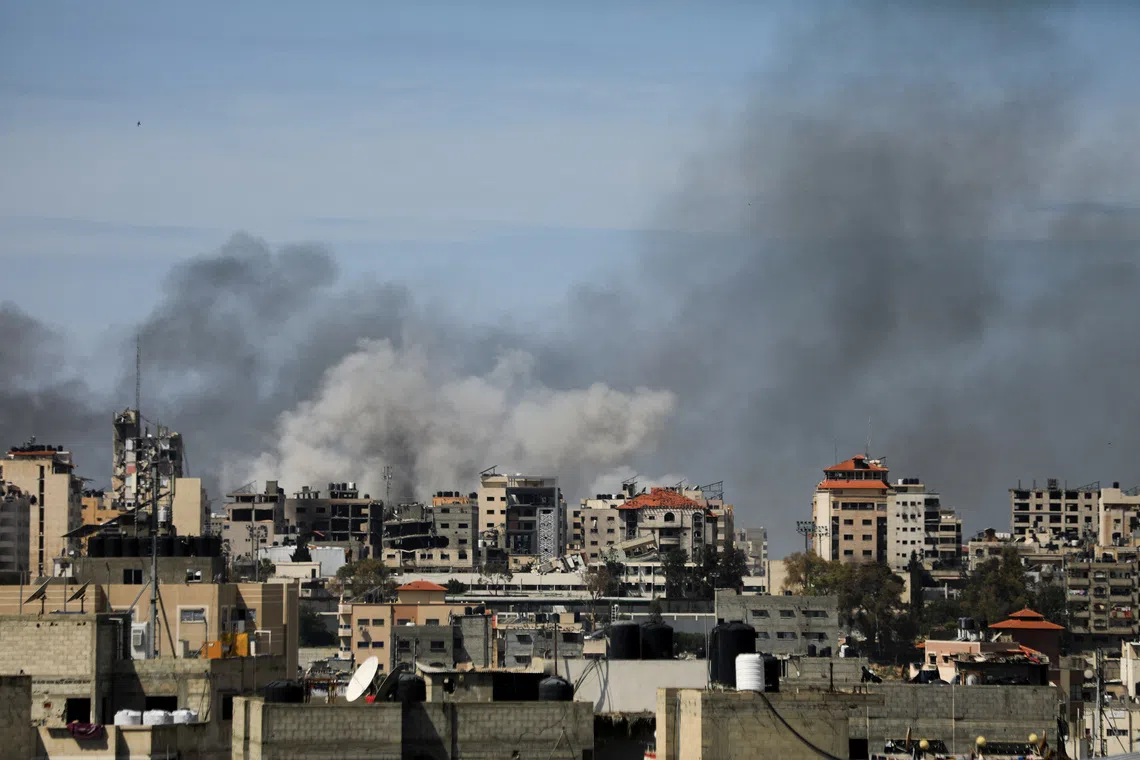
- The Mycetoma Research Center in Khartoum, Sudan — the world's only specialized center for the disease, founded by Ahmed Hassan Fahal in 1991 — was destroyed amid conflict; Fahal and his team are rebuilding and have resumed services through a new satellite facility.
Why it matters: The next decade of mycetoma care hinges on whether endemic countries integrate it into national health systems — making it a notifiable disease and training frontline workers — and whether distributed research partnerships modeled on the HAT Platform for sleeping sickness take root; without those structural shifts, WHO recognition will remain symbolic for the barefoot farmworkers who most need treatment.
Ask SkimNews