Japan weighs SDF deployment as US asks for Hormuz ships — SkimNews

Get the Geopolitics newsletter
Daily geopolitics — wars, elections, sanctions, the diplomatic moves that move markets. Free.
- Japan reinterpreted its constitution and passed 2015 defense legislation to permit collective self‑defense, opening the door for SDF overseas support.
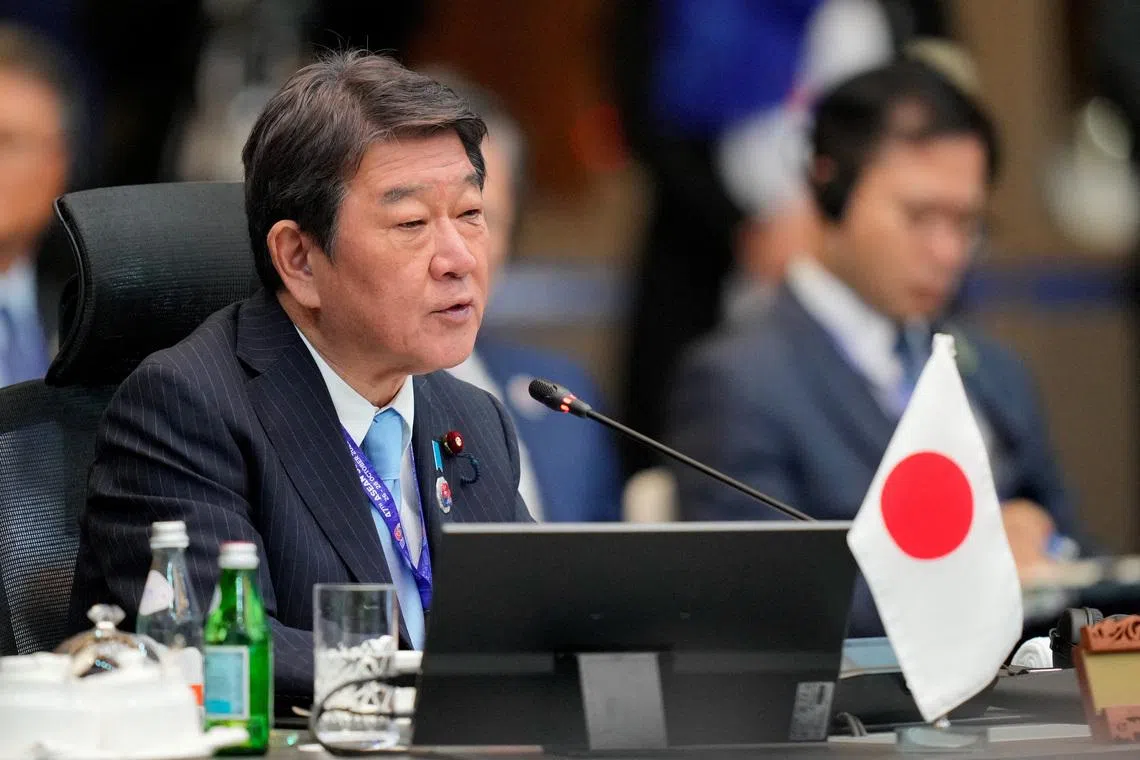
- Prime Minister Takaichi Sanae said in November that Japan could not remain neutral if a Taiwan Strait conflict erupted, signalling a possible expansion of SDF duties.
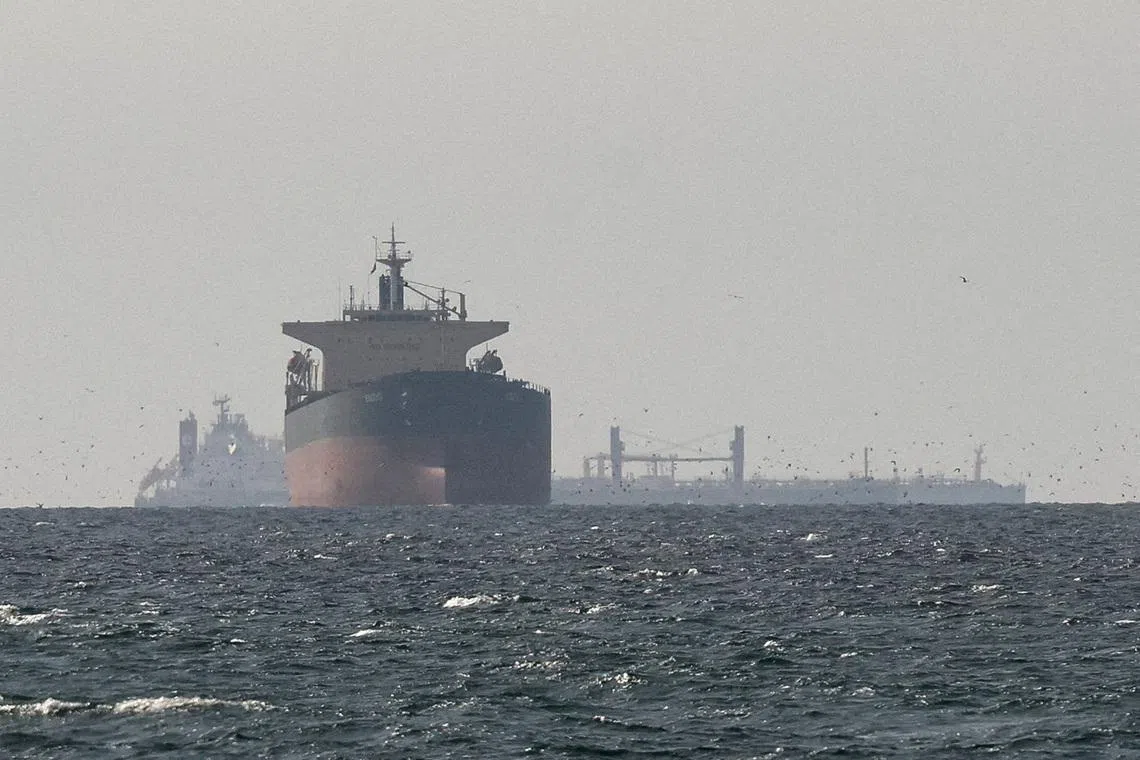
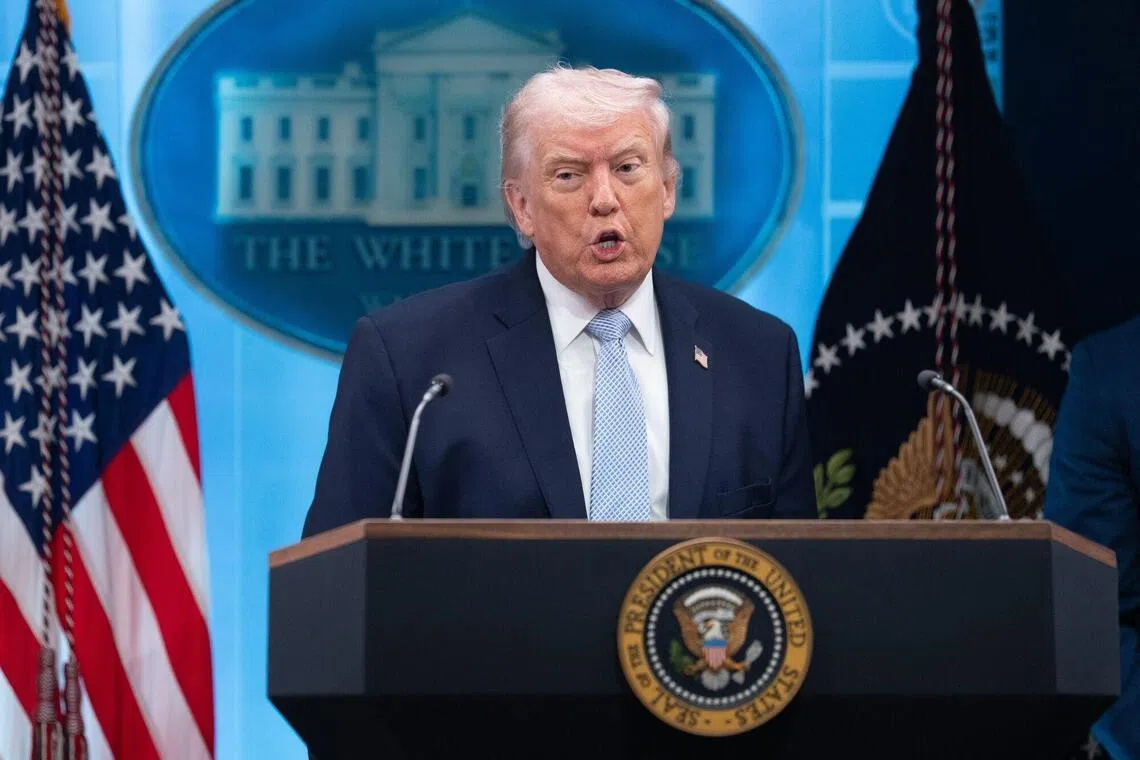
- President Trump has asked Japan and other allies to dispatch warships to the Strait of Hormuz, testing Japan’s collective‑self‑defense rules in a real‑world scenario.
- Japan’s Ministry of Defense defines four threat categories—Important Influence Situation, Armed Attack Situation, Anticipated Armed Attack Situation, and Survival‑Threatening Situation—each with distinct legal response limits.
- Survival‑Threatening Situation is the only category that permits full SDF mobilization for collective defense, and its trigger depends on a political judgment of a “foreign country in close relationship with Japan.”
- Takaichi confirmed the United States is the primary “close‑relationship” partner, but left open the possibility that Taiwan could be classified similarly on a case‑by‑case basis.
- Japan’s political consensus holds that failing to defend the United States could threaten Japan’s survival, yet there is still debate over how to apply the legal framework to specific crises.
Why it matters: Japan's decision on whether a Survival‑Threatening Situation exists determines if its SDF can join U.S. operations, directly affecting the U.S. alliance and Japan's own security posture while exposing political risk over Taiwan and testing the limits of its 2015 collective‑self‑defense law.
Ask SkimNews