Tesla Autopilot Ex-Lead Slams Vision-Only as 'Religious Stance' — SkimNews
Get the Energy newsletter
Daily energy & climate — solar, EVs, oil, the policy fights and tech bets shaping the transition. Free.
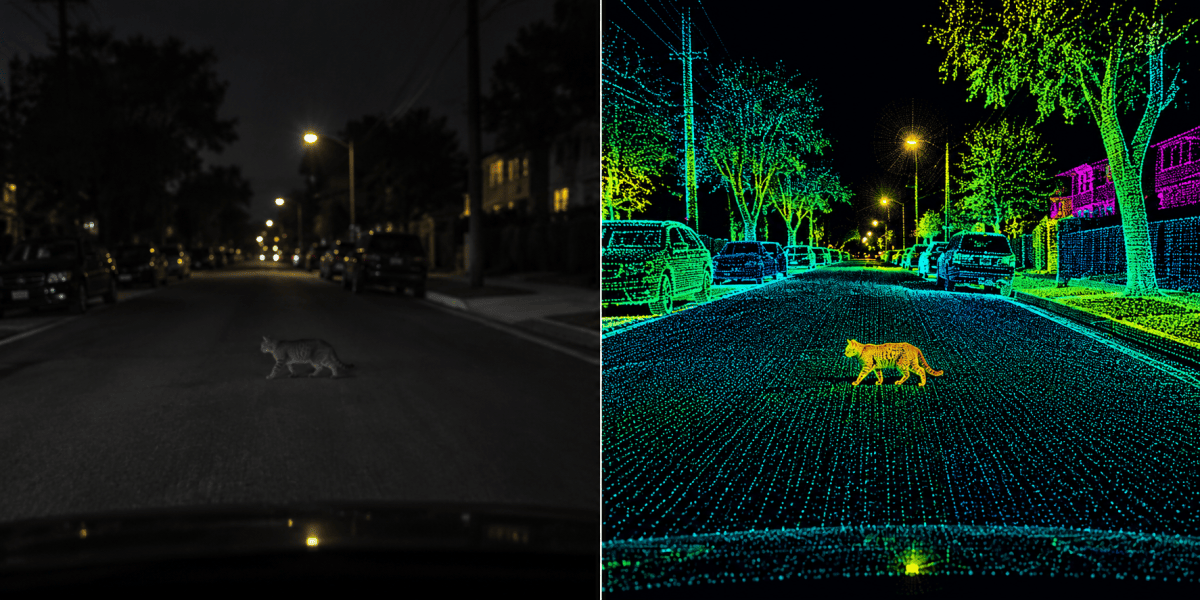
- Sterling Anderson called Tesla’s vision-only self-driving system a 'weird religious stance that ignores physics,' arguing radar is cheap and essential for detecting velocity and operating in fog or glare.
- Tesla removed radar from Model 3 and Model Y in May 2021 and ultrasonic sensors in 2022, launching Tesla Vision with reduced functionality, including Autosteer capped at 75 mph and disabled Smart Summon at delivery.
- NHTSA upgraded its investigation into Tesla’s FSD in low-visibility conditions to an Engineering Analysis covering 3,203,754 vehicles after nine crashes, including a pedestrian death, citing camera systems that fail to detect impaired visibility until just before collisions.
- Anderson stated that lidar helps train camera systems faster when used together, directly challenging Tesla’s claim that fleet data and cameras alone are sufficient for full autonomy.
- GM is pursuing a sensor-rich approach with the Cadillac Escalade IQ, set to debut an 'eyes-off' system in 2028 using lidar, radar, and cameras, under Anderson’s product leadership.
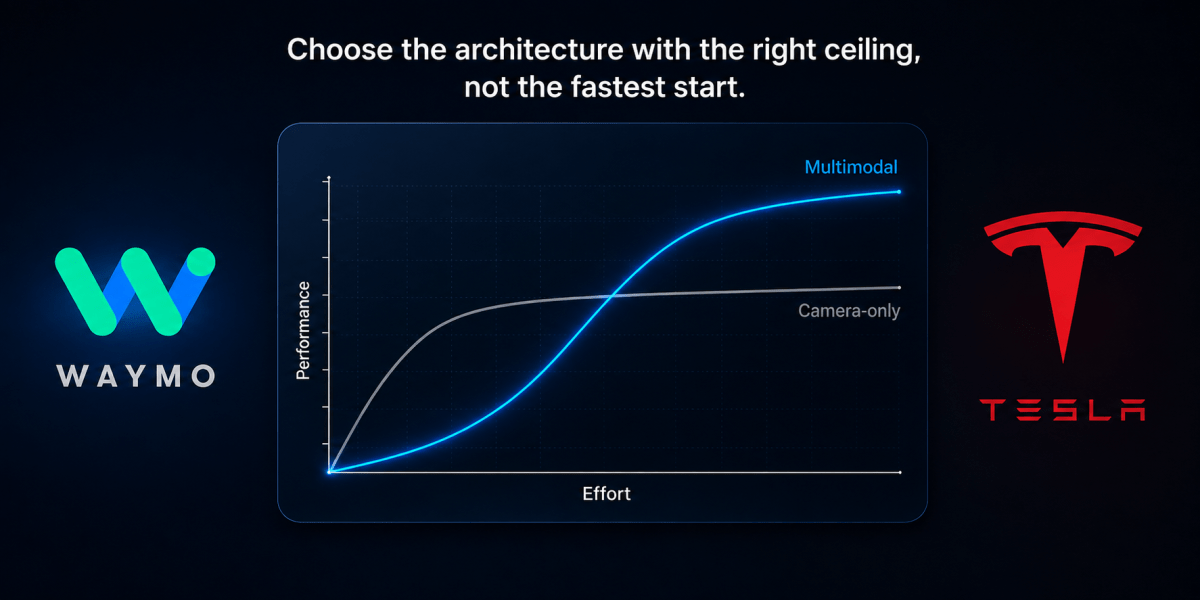
Why it matters: Tesla faces a 3.2-million-vehicle NHTSA probe over camera limitations in fog, glare, and dust—conditions radar easily handles—while competitors like GM and Waymo use multi-sensor systems. Anderson’s critique carries weight as a former Autopilot lead, exposing a growing credibility gap between Tesla’s engineering choices and safety outcomes.
Ask SkimNews