NHTSA Probes Tesla Cybercab Over Missing Safety Features — SkimNews

Get the Tech newsletter
Daily tech — startups, AI labs, chips, the launches that shape the next decade. Free.
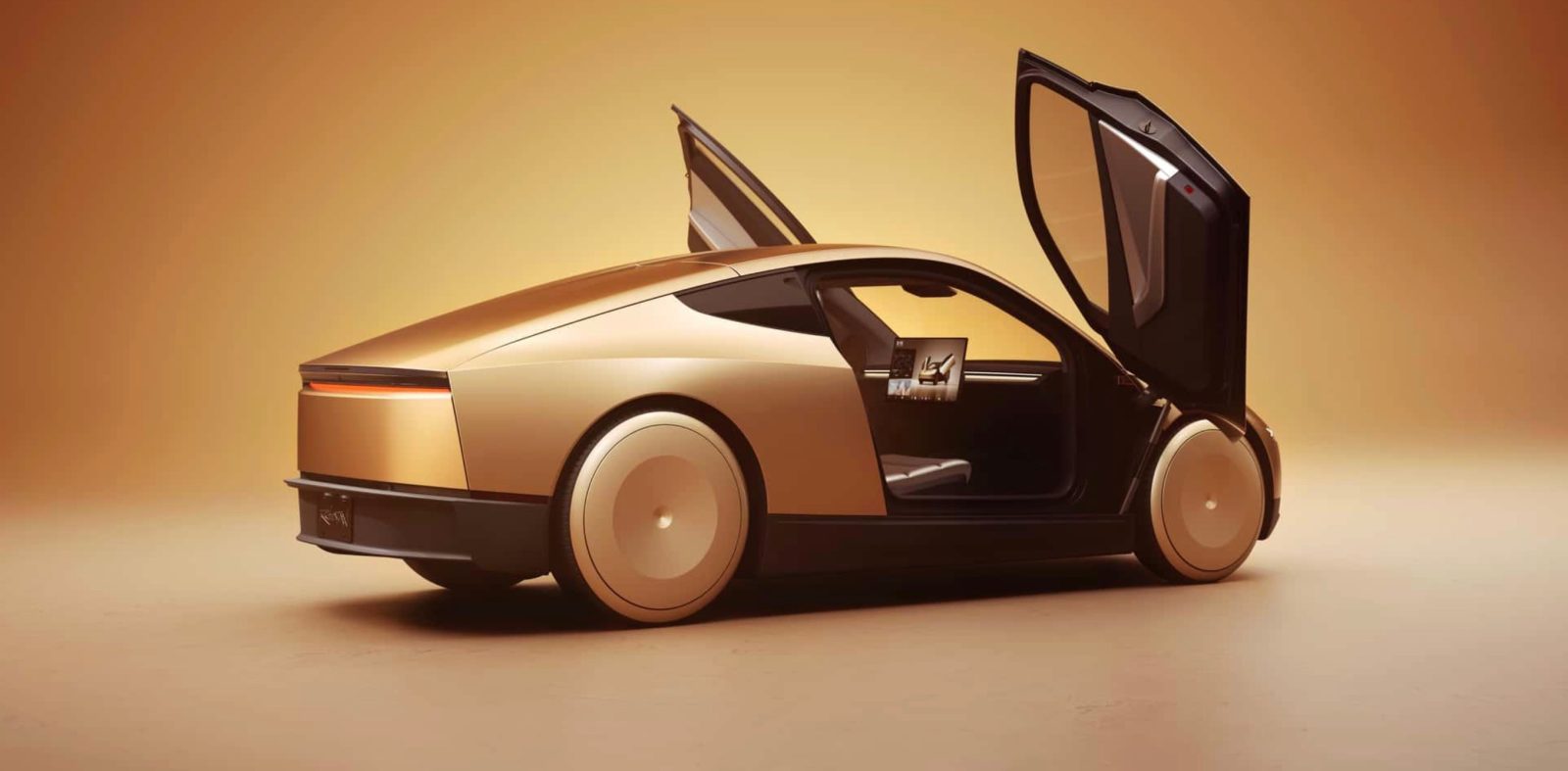
- NHTSA opened an audit query into the Tesla Cybercab to examine the process and technical data Tesla relied on when self-certifying the vehicle as compliant with the Federal Motor Vehicle Safety Standards.
- The Cybercab lacks sideview mirrors, pedals, and a steering wheel — all required under FMVSS — and Tesla did not seek an exemption from those rules before launching the vehicle.
- The investigation covers an estimated 1,000 Cybercabs, though Tesla has only 45 vehicles currently registered with the Texas Department of Motor Vehicles.
- NHTSA Administrator Jonathan Morrison said the agency supports automated vehicle innovation but must ensure all laws are followed, calling for a balance between innovation and safety oversight.
- Tesla plans to deploy the Cybercab in other cities as part of its Robotaxi service and eventually sell it to individual consumers for an estimated $30,000.
- Zoox offers a recent precedent: NHTSA probed Amazon's Zoox self-certification in 2024 and didn't grant permission to charge passenger fares until July 2025 — two years later.
- The Cybercab probe is one of multiple NHTSA investigations into Tesla; the agency is also examining 3.2 million vehicles equipped with Full Self-Driving software.
Why it matters: The investigation puts Tesla's Cybercab revenue timeline in limbo: the Zoox precedent shows NHTSA took two years before allowing fare-charging, and the Cybercab probe could delay Tesla's Robotaxi monetization. With only 45 Cybercabs registered in Texas versus an investigation covering an estimated 1,000, Tesla's deployment ambitions may collide with regulators before the fleet meaningfully scales.
Ask SkimNews