Tesla Robotaxi Fleet Shrinks to 14 Unsupervised Cars — SkimNews
Get the Energy newsletter
Daily energy & climate — solar, EVs, oil, the policy fights and tech bets shaping the transition. Free.
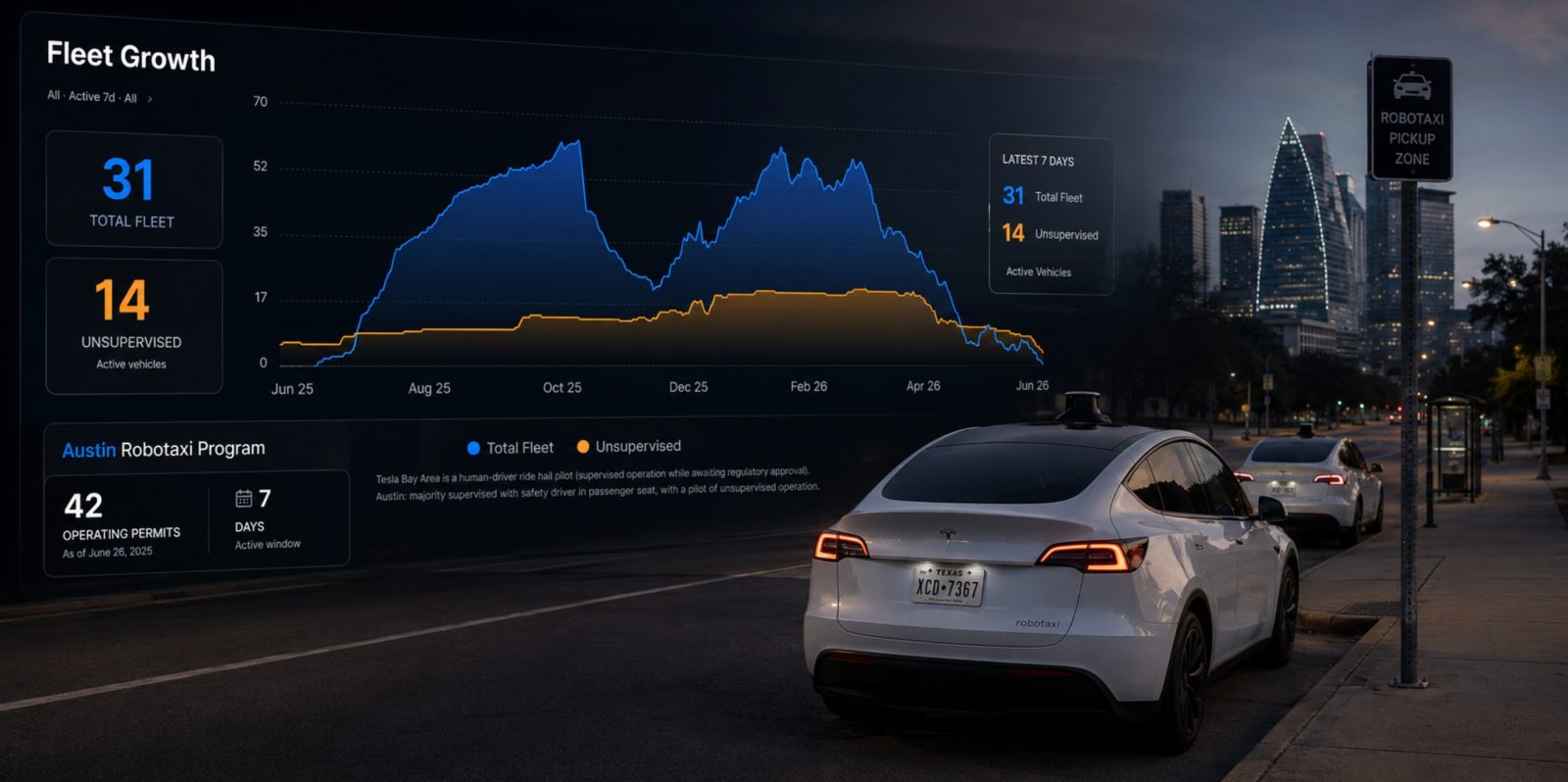
- Tesla has reported only 18 total ADS incidents since its Austin launch, versus roughly 697 for Waymo, but its total active fleet across all markets is just 31 vehicles in the past seven days, with only 14 operating unsupervised.
- Waymo operates approximately 3,000 robotaxis completing more than 500,000 paid trips per week and holds 577 Texas authorizations, compared to Tesla's 42 permits — of which only about 26 Texas vehicles are active and just 14 fully driverless.
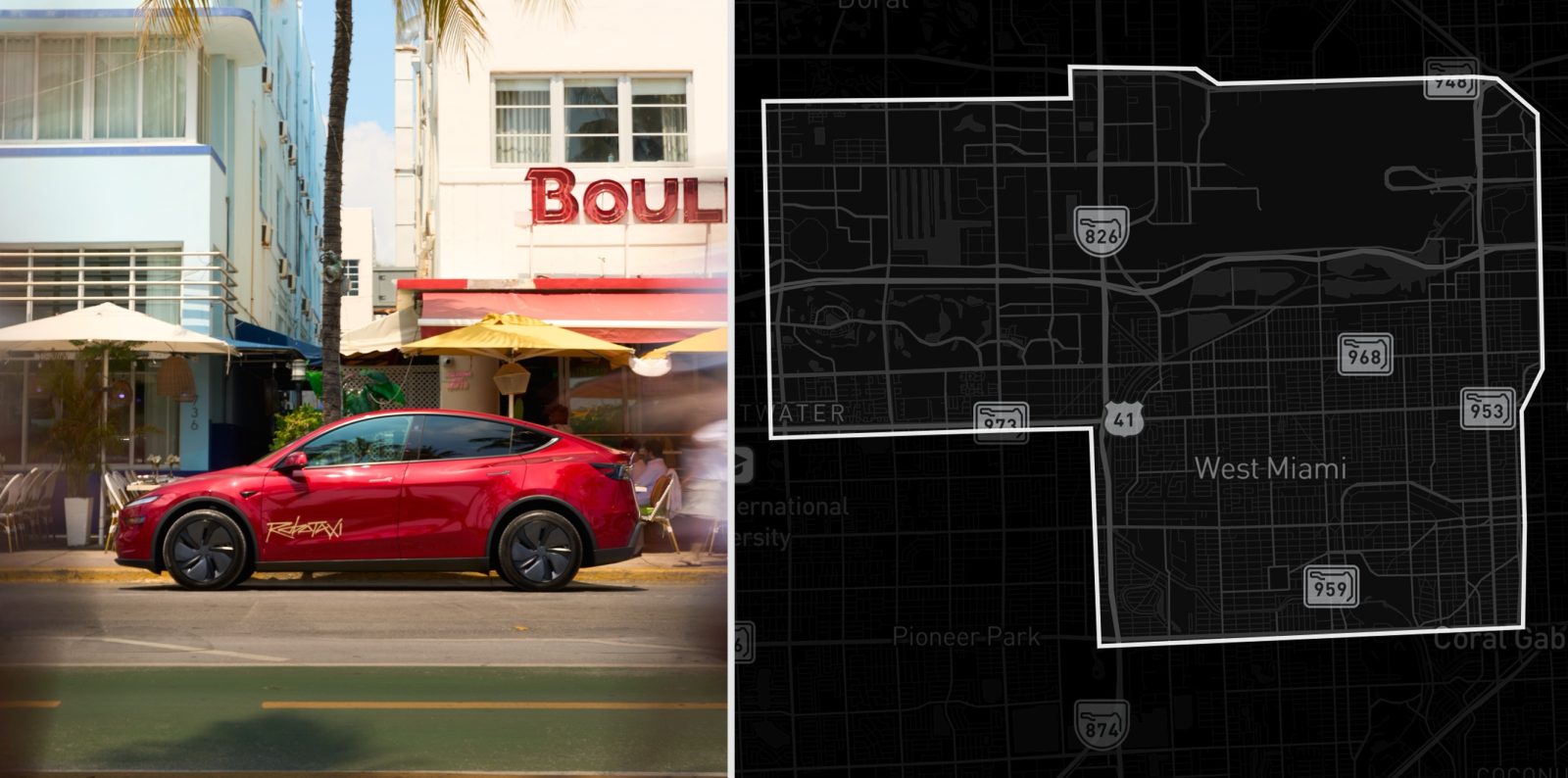
- Tesla's unsupervised robotaxi fleet peaked at 25 cumulative vehicles in late April and has declined since, even as the company expanded its Austin geofence; Musk originally promised 500 robotaxis in Austin and 1,000+ in the Bay Area by end of 2025, later quietly cutting the Austin target to roughly 60.
- Elon Musk now says scaling depends on a FSD v15 software rewrite, pushing any meaningful ramp to late 2026 or 2027, while Waymo raised $16 billion to fund expansion to London and Tokyo and now covers more than 1,400 square miles across 11 markets.
- The NHTSA report's standout incident — a Model Y rear-ended while stopped — matches the same inattentive-driver pattern that accounts for the majority of Waymo's incidents, undermining claims that Tesla's low crash count reflects superior autonomy.
- Texas's new driverless database, published by the DMV on May 28, made the deployment gap impossible to obscure: Tesla self-certified its Model Ys as SAE Level 4 yet runs fewer than half its authorized permits a full year after launch.
Why it matters: Tesla's safety narrative is being defended with exposure data, not performance data — 14 unsupervised cars cannot generate meaningful crash statistics. With Musk tying scale to a future FSD v15 rewrite and Waymo raising $16 billion to expand to new continents, Tesla risks ceding the commercial robotaxi market not on safety but on the simple question of who is actually driving paying passengers.
Ask SkimNews