Tesla Robotaxi Woes Are Safety Limits, Musk Admits — SkimNews
Get the Tech newsletter
Daily tech — startups, AI labs, chips, the launches that shape the next decade. Free.
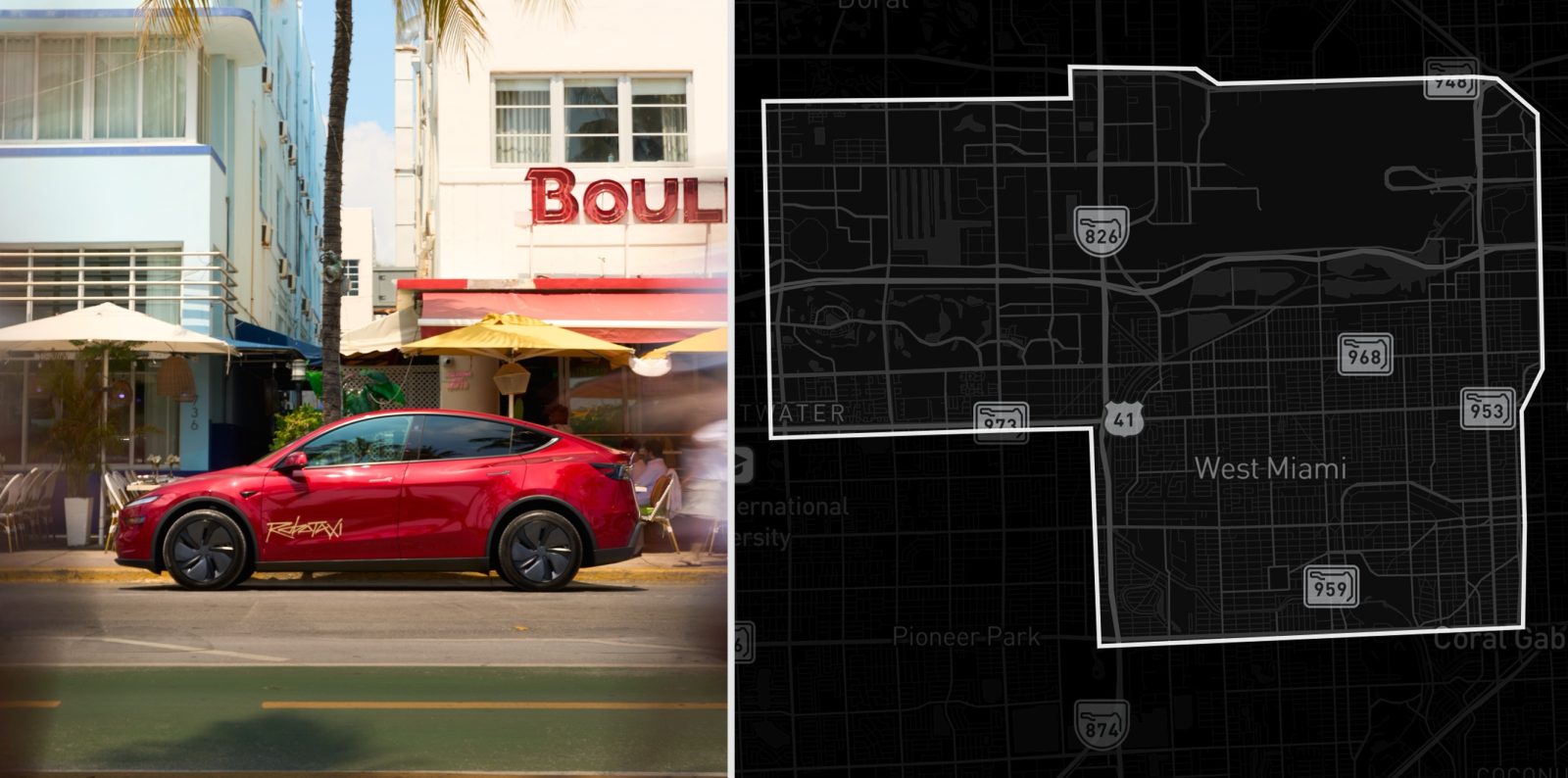
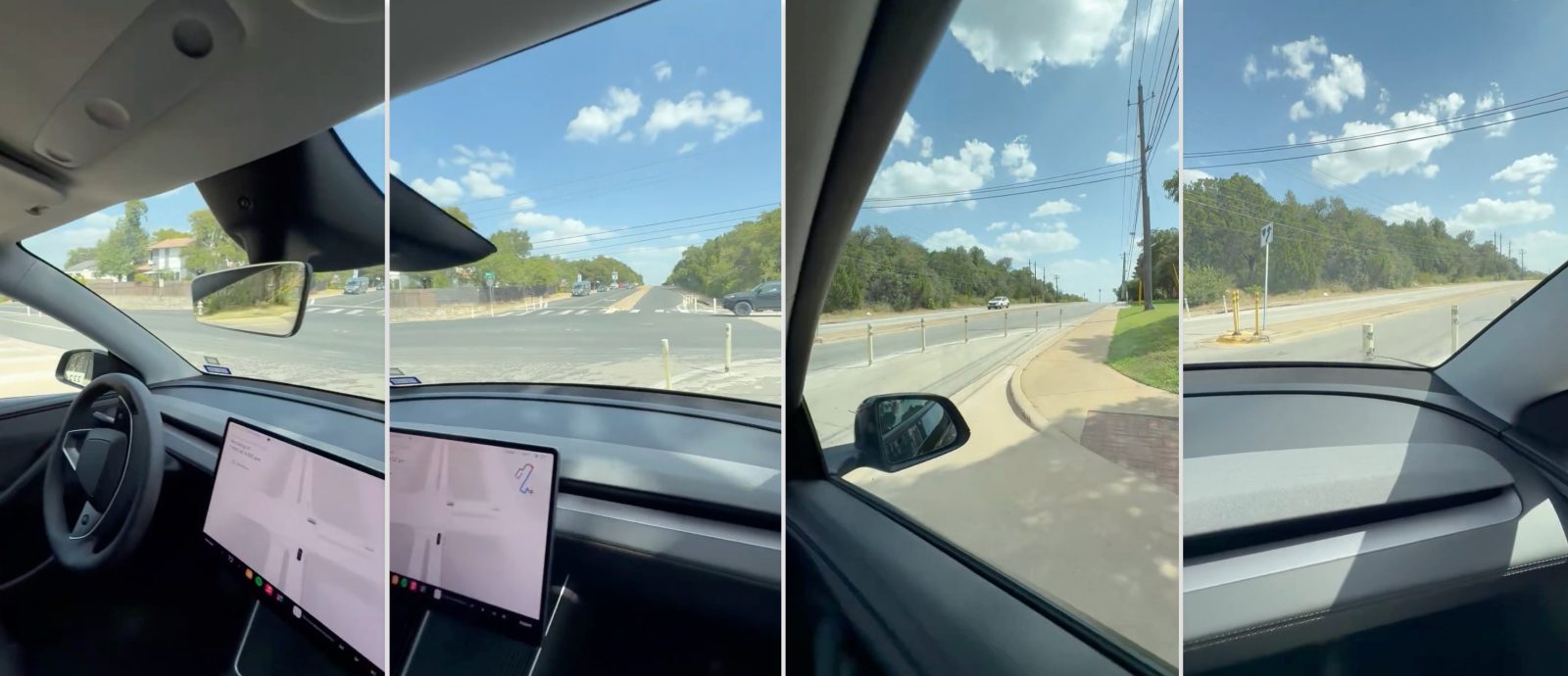
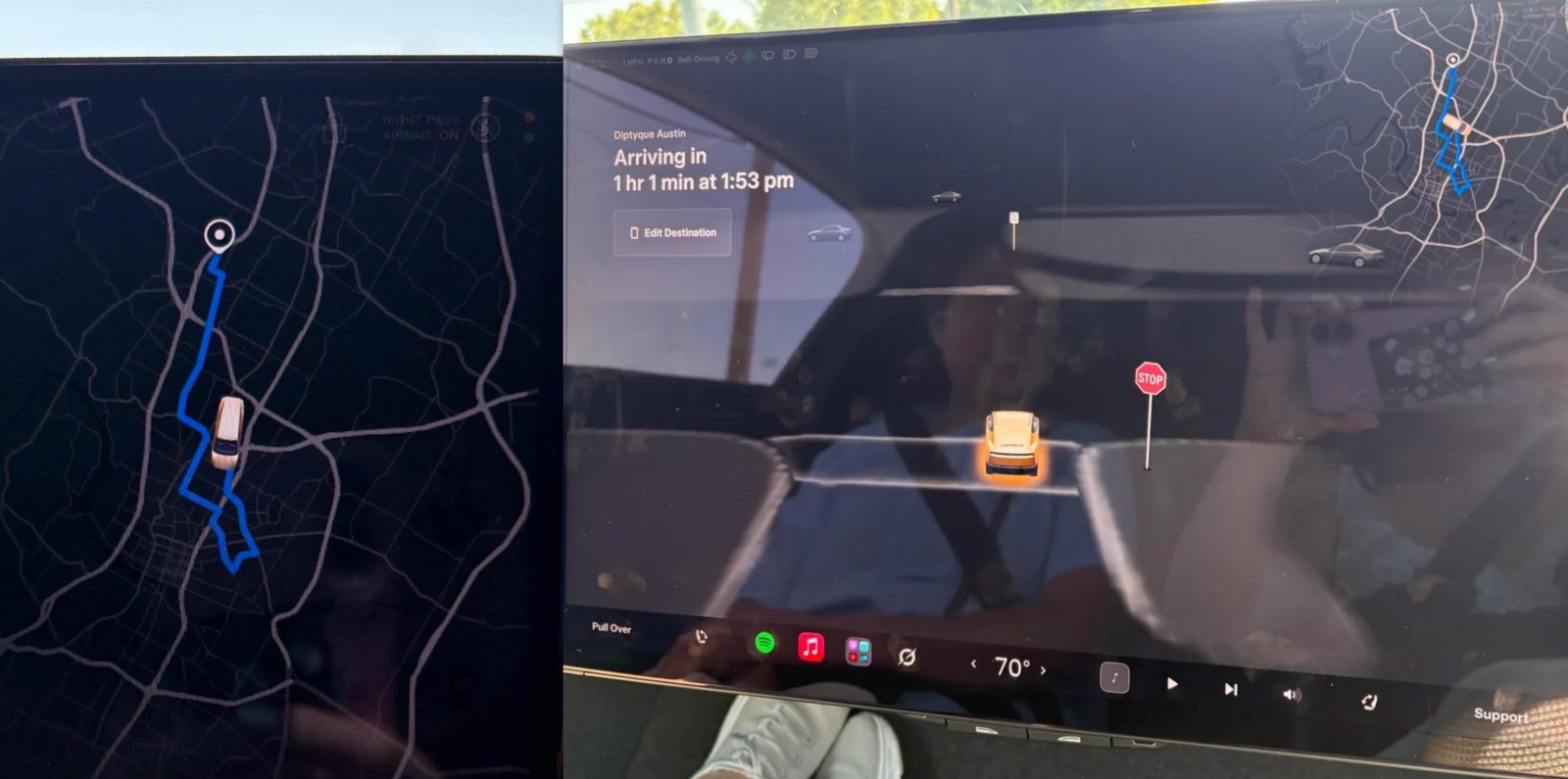
- Reuters testers found that Tesla's Robotaxi turned a normal 20-minute, 5-mile Dallas trip from SMU to City Hall into nearly two hours, with the car avoiding North Central Expressway and dropping a reporter a 15-minute walk from the destination.
- Austin availability data showed wait times above 15 minutes roughly half the time and zero cars available in 27% of checks; Tesla runs about 50 vehicles in Austin compared with 250+ Waymo vehicles in the same city.
- Elon Musk told Tesla's April 22 Q1 2026 earnings call that the rollout's limiting factor is "rigorous validation, making sure things are completely safe," explicitly reframing Reuters' documented user-experience problems as deliberate safety constraints rather than bugs.
- Tesla has logged 15 crashes in Austin to NHTSA since August, a rate of roughly one per 57,000 miles — about 4x worse than the human-driver benchmark of one per 229,000 miles — and has asked regulators to redact all crash information.
- Musk walked back his expansion timeline from "half the U.S. population by end of 2025" to "a dozen or so states" by end of 2026, and Tesla has already delayed a five-city expansion that was supposed to land in the first half of 2026.
- Waymo is delivering more than 500,000 paid driverless robotaxi rides per week across 10 U.S. cities, operating at a scale Tesla's safety-constrained fleet cannot approach.
Why it matters: At Tesla's reported crash rate of one per 57,000 miles — about 4x the human benchmark — doubling the fleet doubles expected incidents, making Musk's own safety framing a ceiling on the robotaxi business case rather than a temporary gate. Musk's downgrade from "half the U.S. by end of 2025" to "a dozen or so states by end of 2026" implicitly admits that the vision-only approach cannot scale to match Waymo's 500,000-rides-per-week operation on current safety math.
Ask SkimNews