Tesla draws tiny Miami Robotaxi zone as Austin fleet shrinks — SkimNews
Get the Energy newsletter
Daily energy & climate — solar, EVs, oil, the policy fights and tech bets shaping the transition. Free.
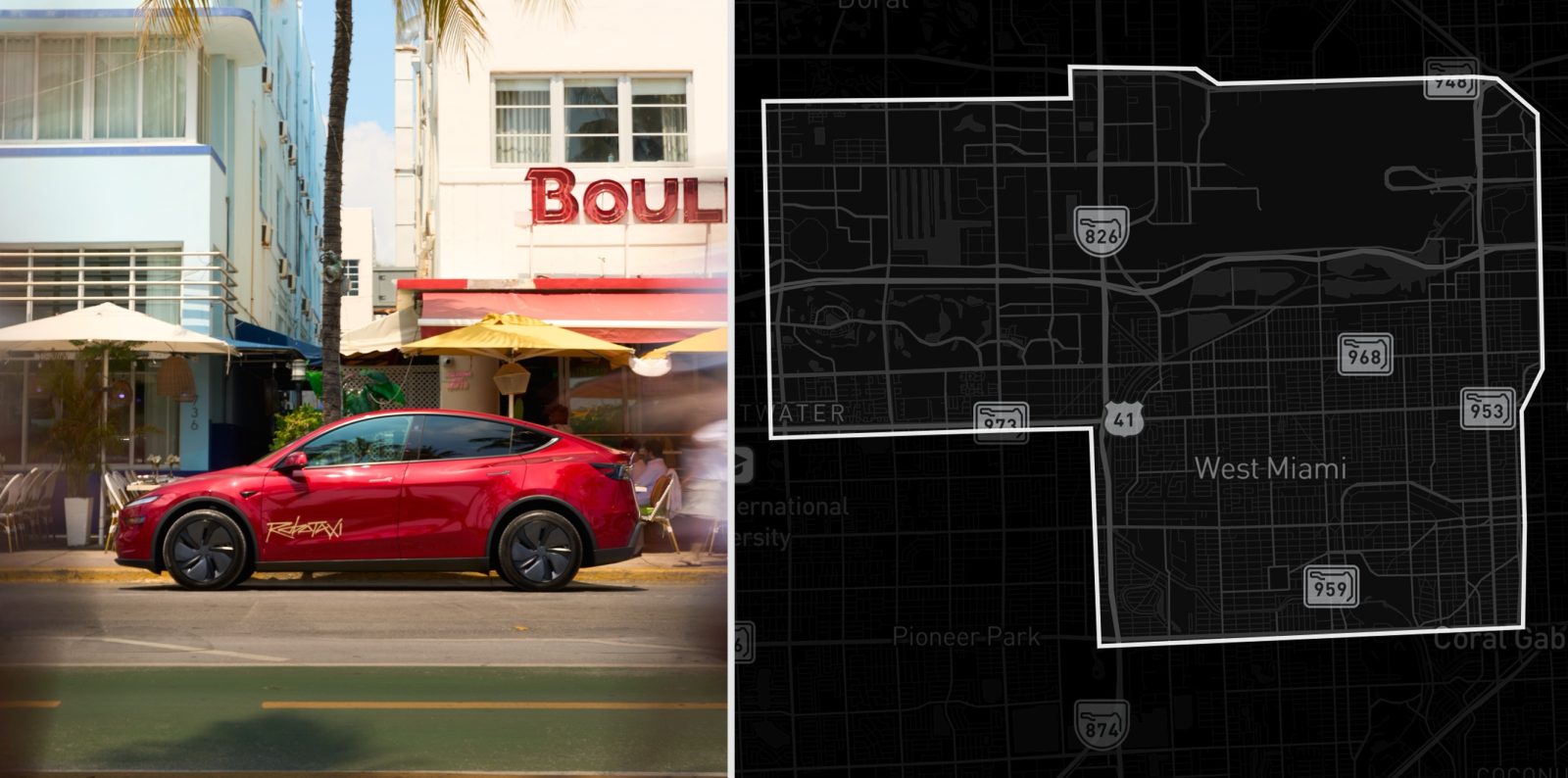
- Tesla published a Miami Robotaxi geofence bounded by SR-826 and US-41, covering West Miami, Doral, and Sweetwater while excluding downtown, Miami Beach, the airport, and most of Coral Gables
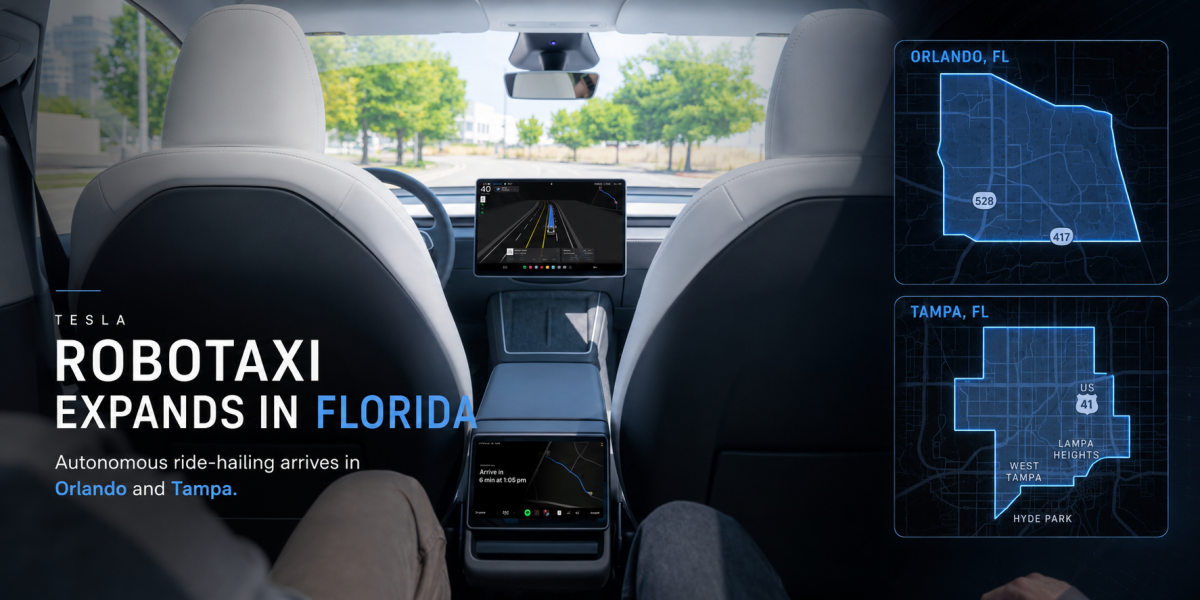
- Tesla had named Miami among five US cities targeted for the first half of 2026 (alongside Phoenix, Orlando, Tampa, and Las Vegas), but that timeline has since softened to a vaguer "preparations underway"
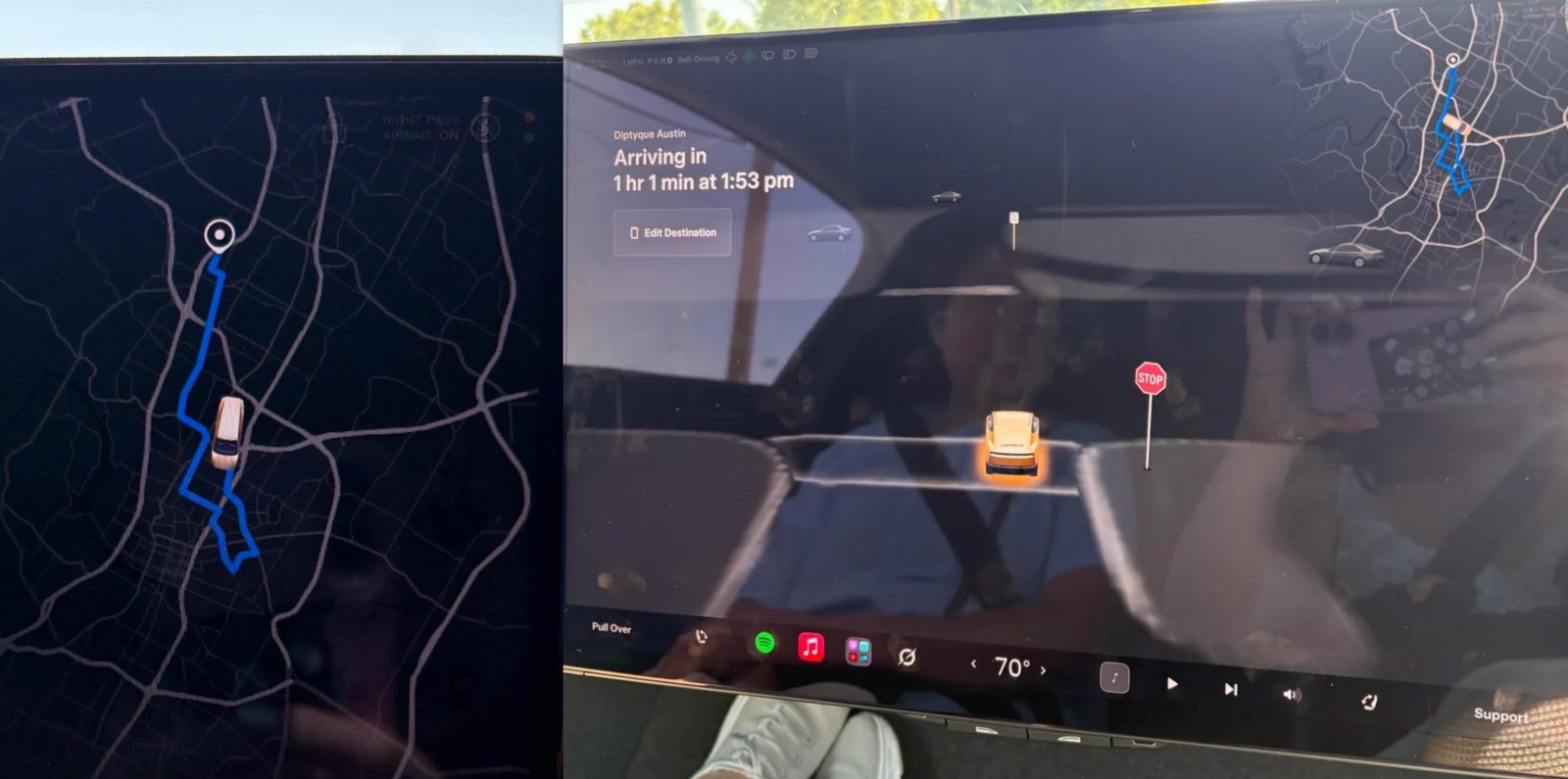
- Tesla launched Robotaxi in Austin in June 2025, and a year later city officials peg the fleet at roughly 50 vehicles with only about 14 running unsupervised — down from a peak of roughly 25 cumulative unsupervised cars
- Elon Musk told investors on Tesla's Q1 2026 earnings call that safety validation is the limiting factor for expansion and that the company is holding back until a rewritten FSD v15 arrives
- Tesla has reported a string of Austin crashes to NHTSA, and independent analysis puts its crash rate roughly four times worse than the average human driver
- In Austin, Robotaxi wait times routinely exceed 15 minutes and in more than a quarter of availability checks no cars were found at all
Why it matters: Tesla's autonomy narrative props up a large share of its valuation, but Texas evidence suggests map-drawing is outpacing real driverless deployment. A year after Austin's launch, the unsupervised fleet sits at ~14 cars and Musk is pinning expansion on a still-unreleased FSD v15 — making each new geofence more PR than progress.
Ask SkimNews