Tesla Hits 10B FSD Miles, But Safety Lags Behind Waymo — SkimNews
Get the Energy newsletter
Daily energy & climate — solar, EVs, oil, the policy fights and tech bets shaping the transition. Free.
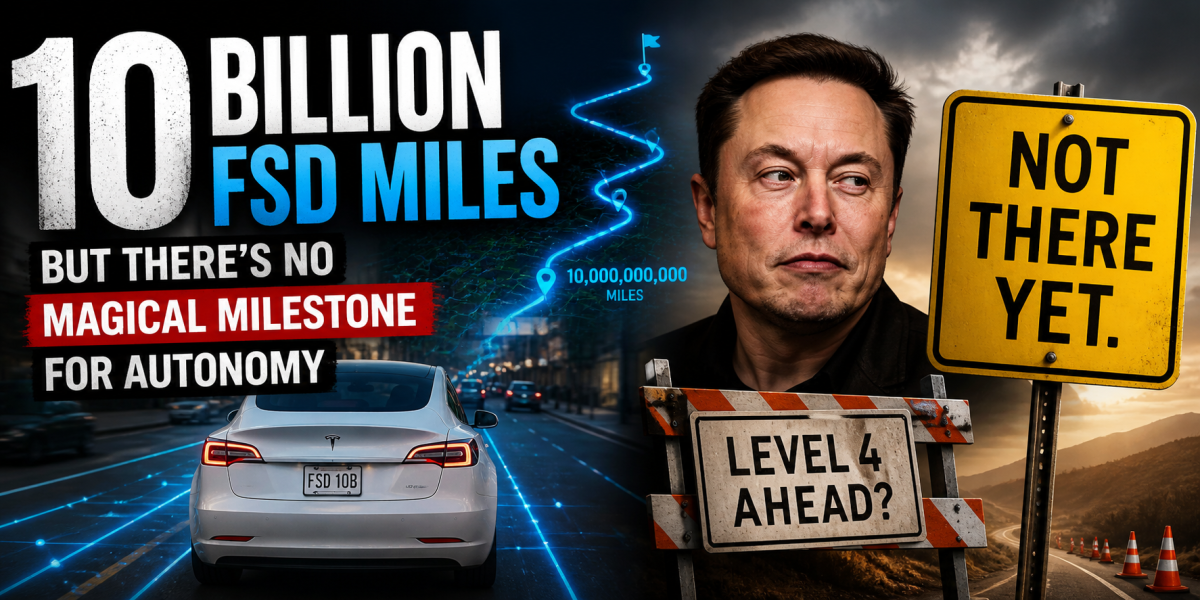
- Tesla has logged 10 billion miles on its Full Self-Driving (Supervised) system, meeting a threshold CEO Elon Musk set for achieving safe unsupervised driving.
- Elon Musk moved the goalpost for unsupervised FSD from 6 billion to 10 billion miles after failing to deliver the feature by the end of 2025, now targeting Q4 2026 with significant caveats.
- Tesla reports one major collision per 5.3 million miles under FSD (Supervised), compared to one per 660,000 miles for the average U.S. driver, though its methodology differs from NHTSA standards.
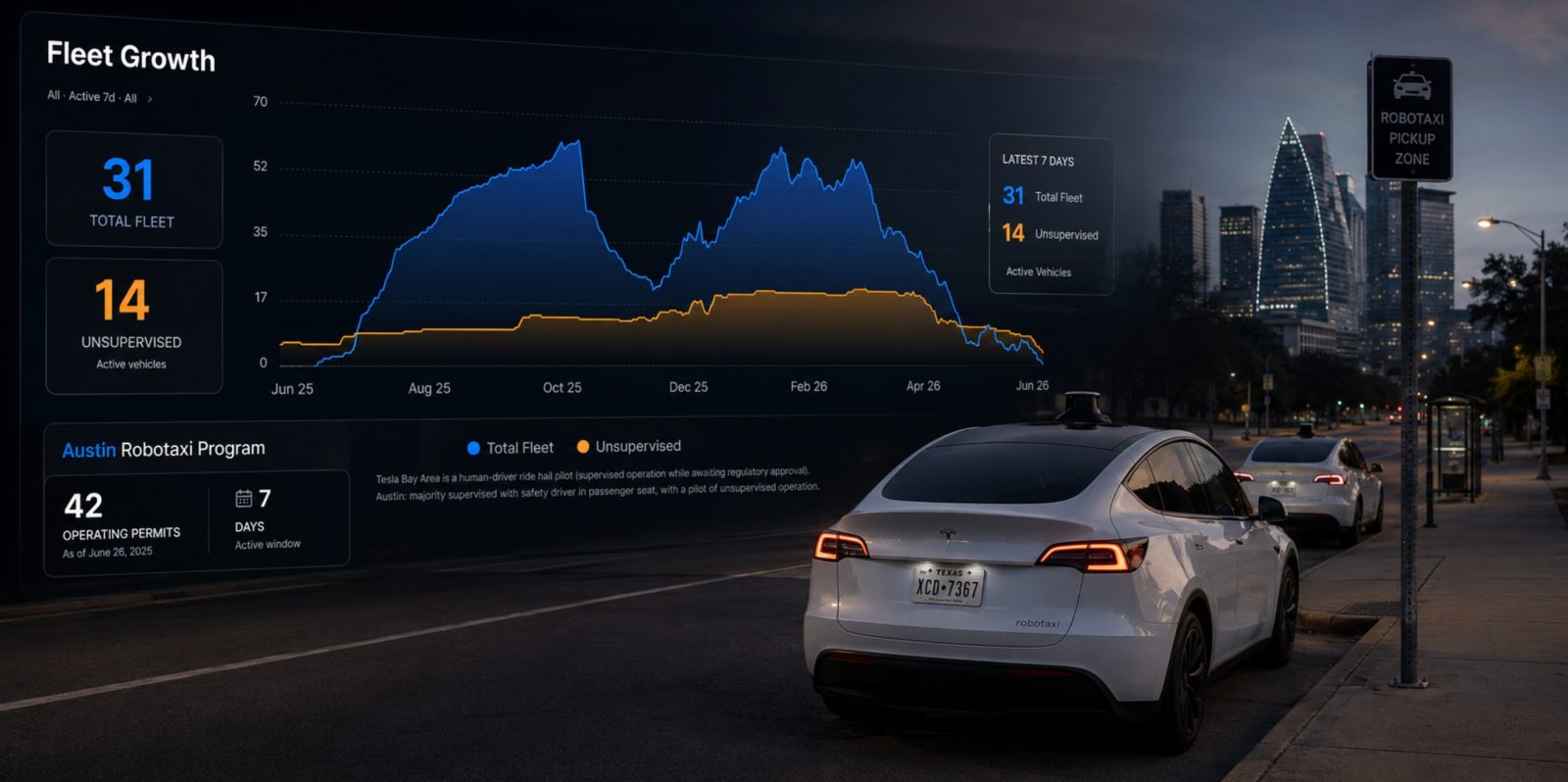
- Tesla's Austin robotaxi fleet logged approximately 800,000 miles through February 2026 and reported 14 crashes to NHTSA—four times the urban crash rate of human drivers.
- Waymo operates at Level 4 autonomy in 10 cities without human drivers, reporting 90% fewer serious injury crashes and 82% fewer airbag deployments over 127 million miles.
- Electrek notes that Tesla has not taken legal responsibility for FSD, unlike Waymo, and argues true Full Self-Driving begins when Tesla assumes liability and replaces user insurance.
Why it matters: Tesla reaching 10 billion miles doesn’t resolve whether its data translates to safe, scalable autonomy, especially since its own robotaxi fleet crashes at a higher rate than humans and it refuses to assume liability. Meanwhile, Waymo’s proven driverless operations across 127 million miles set a real-world benchmark Tesla hasn’t matched, making Musk’s timeline shifts and marketing milestones look increasingly disconnected from functional safety.
Ask SkimNews