Tesla Aims for US‑Wide Unsupervised FSD by Year‑End — SkimNews

Get the Energy newsletter
Daily energy & climate — solar, EVs, oil, the policy fights and tech bets shaping the transition. Free.
- Elon Musk told the Smart Mobility Summit in Tel Aviv that Tesla’s unsupervised Full Self‑Driving will be widespread across the United States by the end of the year.
- Tesla currently runs fewer than 30 unsupervised robotaxis in three Texas cities—Austin, Dallas, and Houston—according to the Robotaxi Tracker.
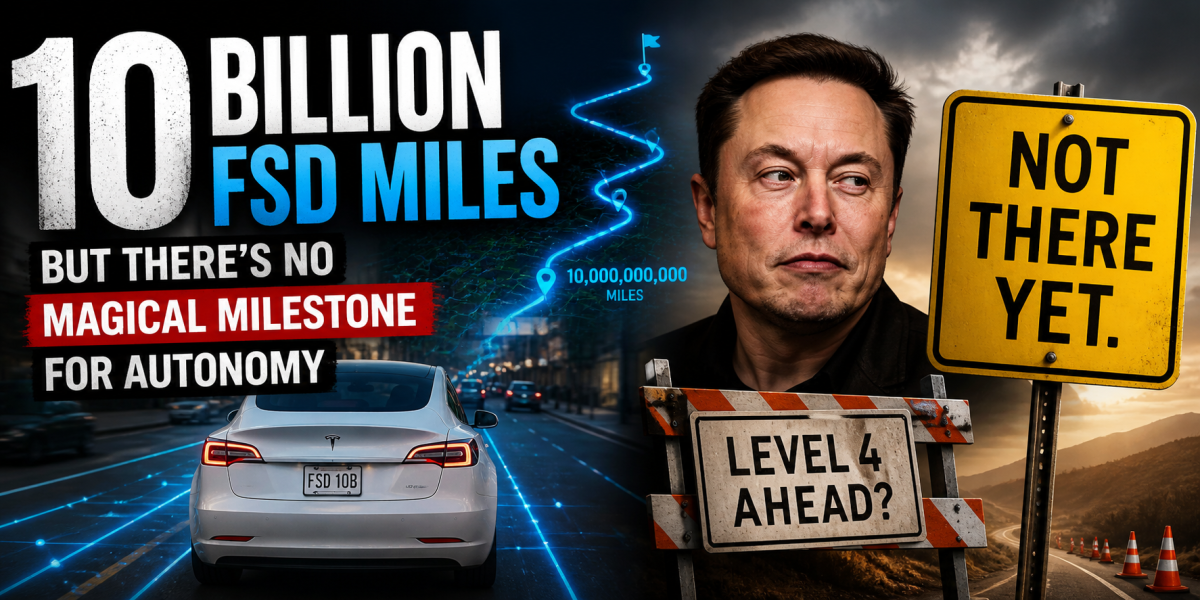
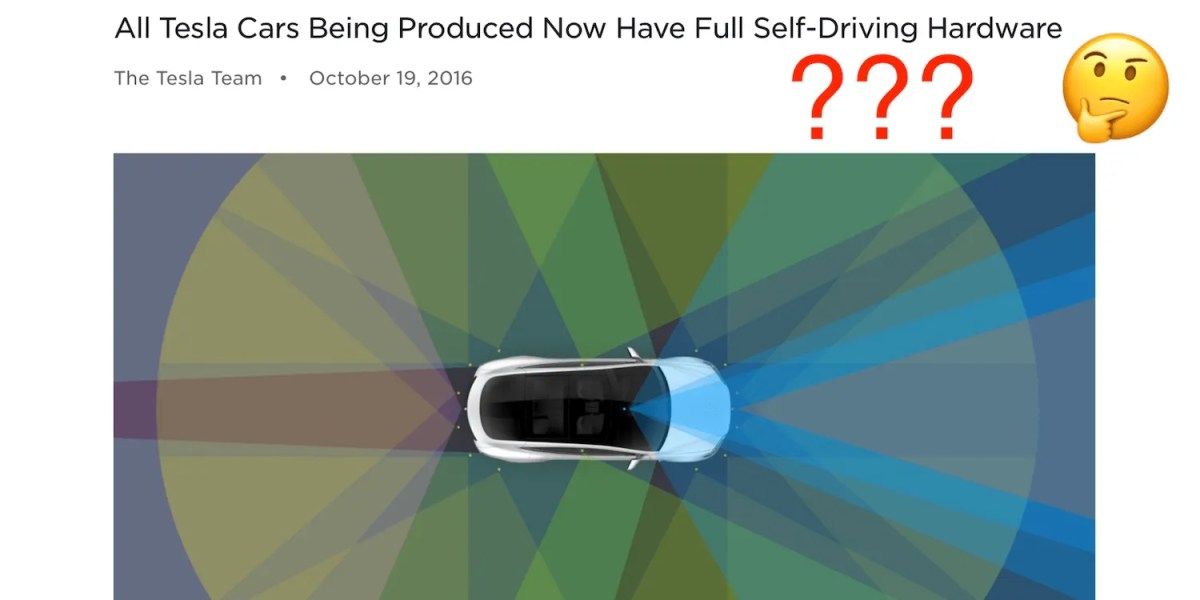
- Musk has a decade‑long record of promising imminent autonomous‑driving milestones that missed their deadlines, with repeated predictions from 2015 to 2026.
- Musk described FSD safety inconsistently: at the summit he said it is on a “clear path” to be at least ten times safer than human drivers, while weeks earlier on X he claimed it is already “10X safer” and that the statistics are unequivocal.
- Tesla’s Vehicle Safety Report, the only public safety data it releases, has been criticized for methodological flaws that make its safety comparisons to human driving unreliable, and the report showed Autopilot safety regressed after a hiatus.
- Waymo provides peer‑reviewed safety data with matched human baselines, and insurers such as Swiss Re have verified its fleet data, a level of transparency Tesla has not matched despite having the telemetry.
Why it matters: Investors and regulators see the claim as another missed deadline in Musk’s pattern of overpromising autonomous driving, while consumers expecting near‑term robotaxi services get no tangible expansion—Tesla’s fleet of ~30 cars cannot feasibly become nationwide by December, exposing a credibility gap.
Ask SkimNews