Influencer shark bites rise as close-contact videos spread — SkimNews
Get the Energy newsletter
Daily energy & climate — solar, EVs, oil, the policy fights and tech bets shaping the transition. Free.
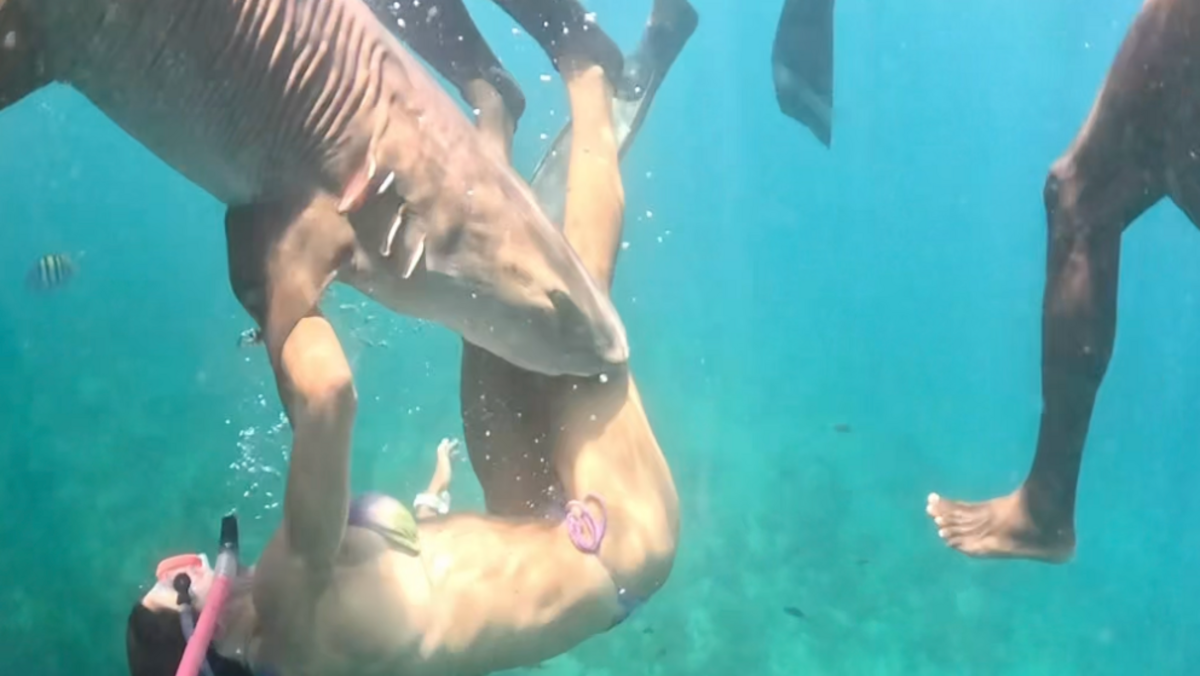
- Tayane Dalazen was bitten on the thigh by a seven-foot nurse shark in April during a Brazilian coast shark-diving trip; she later learned tour operators were feeding sharks to encourage interactions with tourists.
- The International Shark Attack File has logged a marked increase over the past three years in people bitten while trying to film sharks, and a study of 'swim with wildlife' expeditions found influencers and photographers were the most likely to ignore safety instructions.
- Recent incidents include a fishing influencer who nearly lost his leg to a reef shark in July, a Chinese content creator bitten in the Maldives in December, a Caribbean tourist who lost both hands to a bull shark in February of last year, and an Israeli snorkeller with a selfie stick killed by sharks two months later.
- Shark scientist Kristian Parton said he now sees close-contact shark videos 'every single week,' and explained that sharks respond with defensive or 'exploratory' bites when humans enter their personal space.
- Marine biologist Eric Clua said the message from influencers is 'Look! Touch the shark, nothing will happen to you,' while shark expert Dr. Jack Cooper called conservation claims from close-contact content creators 'ludicrous.'
- Ocean Ramsey, who runs paid shark tours in Hawaii, denies that touching sharks causes harm and insists 'they always make the first approach,' though she posts footage of grabbing shark dorsal fins.
- Unprovoked shark attacks worldwide have remained broadly stable at about 70 bites per year for the past 30 years, but shark tourism is booming — TripAdvisor currently lists more than 140 such experiences in the Maldives alone.
Why it matters: Shark tourism is expanding fast — TripAdvisor lists over 140 experiences in the Maldives alone — while a study found influencers and photographers are the most likely to ignore safety instructions. Scientists warn that close-contact videos both stress sharks (raising glucocorticoid hormones linked to weakened immune systems and aborted offspring) and normalize dangerous behavior, with at least three influencers bitten in less than a year and one snorkeller already killed.
Ask SkimNews