Why has Iran’s economy not collapsed under US war pressure? — SkimNews

Get the Geopolitics newsletter
Daily geopolitics — wars, elections, sanctions, the diplomatic moves that move markets. Free.
- Iran's economy has not collapsed after five months of US war, with welfare economist Hadi Kahalzadeh defining collapse as famine and the state losing the ability to pay employees and deliver basic services.
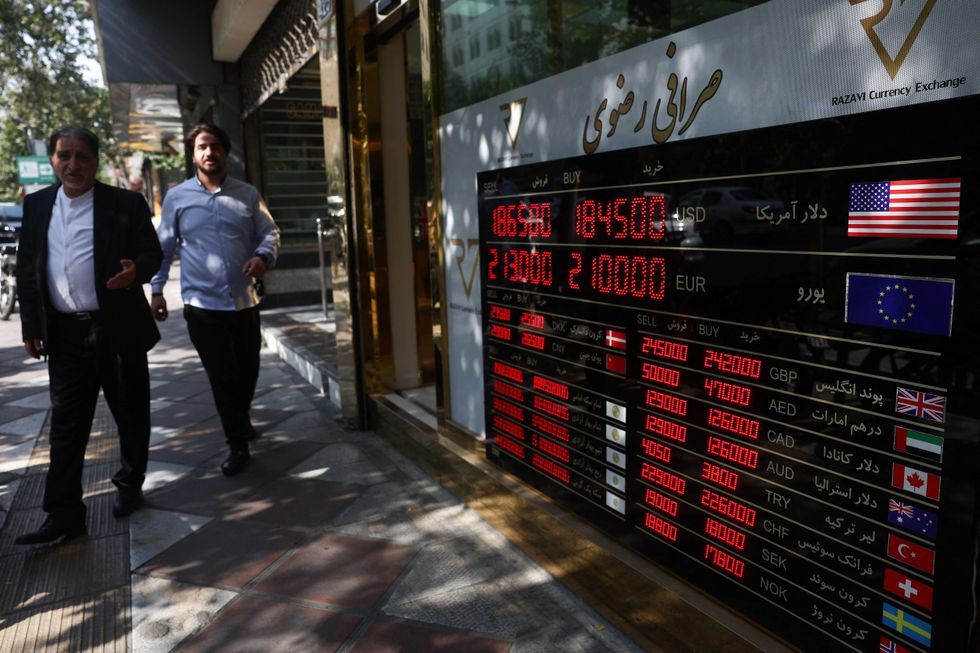
- Inflation has reached approximately 90 percent, with food inflation more than tripling prices of staples including meat, eggs, and cooking oil, while the national currency continues to sink against the US dollar.
- Iran's middle class has shrunk from a majority in 2011 to a minority today, with poor and poverty-vulnerable populations now accounting for roughly 70 percent of the population, per Kahalzadeh.
- The poverty rate was projected to reach 45 percent this year, up from just over 30 percent five years ago, according to a 2025 Saba Pension Strategies Institute report.
- Zabihollah Khodaeian, head of Iran's General Inspection Organisation, revealed that sanctioned-oil 'trustees' appointed by the Supreme National Security Council hold at least $11 billion in unreturned proceeds, with $1.6 billion misused and one individual accused of stealing more than $200 million.
- US strikes this month damaged 12 bridges, two tunnels, and parts of Iran's natural gas production and electricity generation capacity, per government spokeswoman Fatemeh Mohajerani.
- More than 20,000 exporters have failed to repatriate 94 billion euros (nearly $107 billion) in export yields required by law, according to Khodaeian.
Why it matters: Iranians are absorbing unprecedented economic pain — 90% inflation, meat and dairy disappearing from diets, and a poverty rate projected at 45% — so the state can keep functioning. The $11bn in unreturned oil proceeds and $107bn in unrepatriated export earnings expose structural corruption that deepens the squeeze the longer the war lasts.
Ask SkimNews