Iran's Economy Defies Collapse Predictions Despite US War — SkimNews
Get the Geopolitics newsletter
Daily geopolitics — wars, elections, sanctions, the diplomatic moves that move markets. Free.
- Iran's employment rose from roughly 23 million to 25 million before the June war, with unemployment below 8% for two years; the war erased nearly half a million jobs and pushed the rate to 9.1% by spring 2026.
- World Bank constant-price PPP data shows Iran's GDP per capita in 2025 was 9.6% higher than in 2018 and 5.5% above 2011, contradicting the 'imminent collapse' narrative behind US maximum-pressure policy.
- Iran's spring 2026 GDP contracted only 0.21% year-over-year, with utilities up 6.5% and manufacturing up 1.46%, though both sectors face growing damage from the blockade and US strikes.
- Pezeshkian and Raisi administrations expanded cash transfers to the poor, and during 2021/22–2024/25 real per capita expenditure rose and poverty declined even under sanctions.
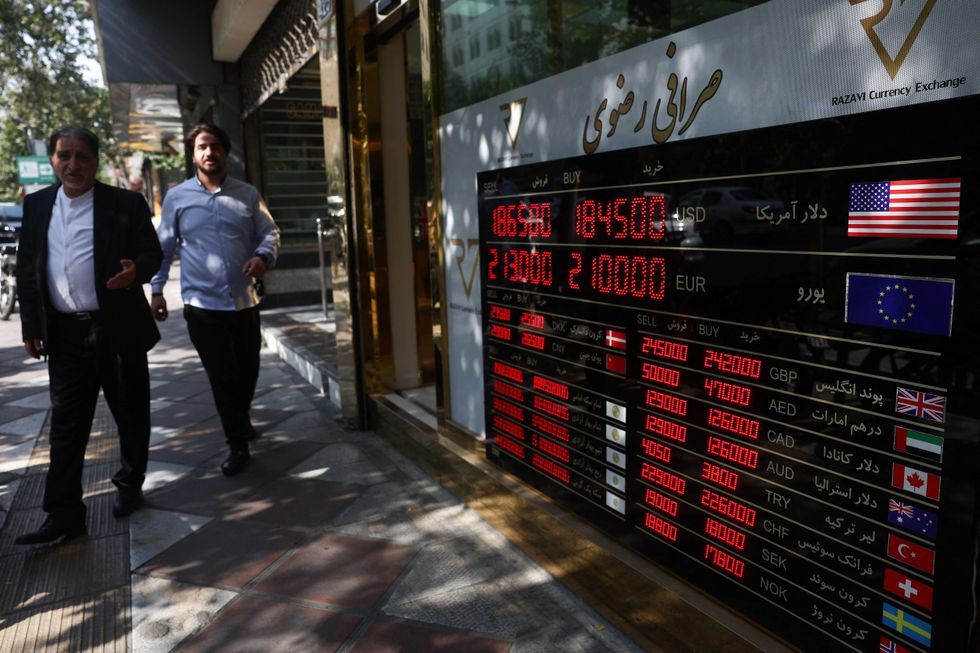
- Iran's June 17 Memorandum of Understanding with the US cut the dollar by 15%, halving the 99% annual inflation rate, though triple-digit price growth persists as oil revenues dry up.
- Iran's government has avoided price-fixing and rationing, letting exchange rates and prices float — a policy choice the article credits with the economy's resilience despite war damage.
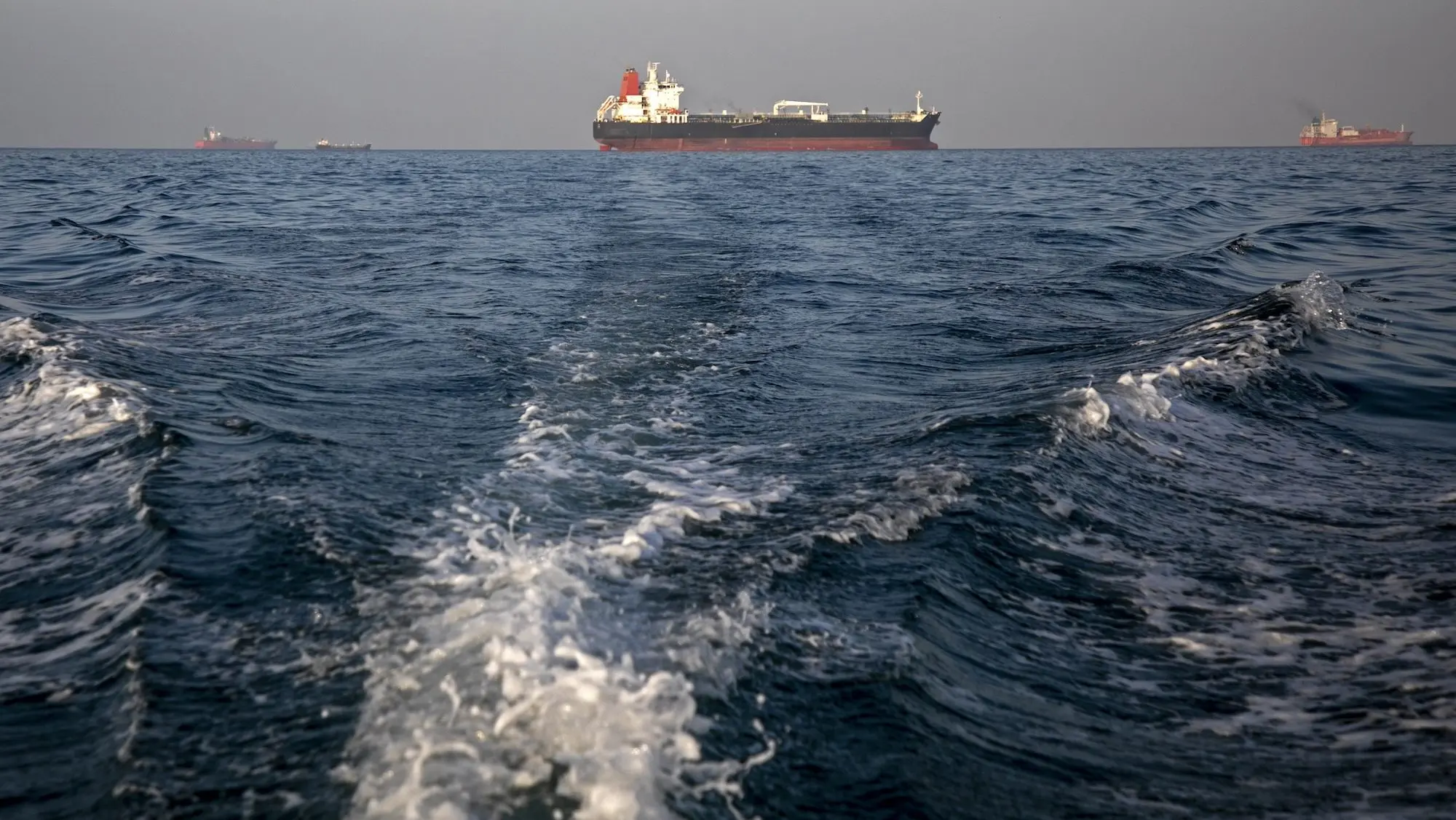
- US and Israel escalated from sanctions to war to naval blockade after each prior step failed to force surrender, with the author arguing the collapse thesis was 'highly exaggerated' from the start.
Why it matters: The maximum-pressure assumption that one more tightening of the economic vise would topple Iran's regime has visibly failed: PPP GDP per capita is up 9.6% since 2018, employment hit a six-year high before the war, and cash transfers cut poverty through 2024/25. The Pezeshkian government's redistribution-over-rationing model is now absorbing a blockade that the war alone could not deliver.
Ask SkimNews