World Averts Iran Oil Crisis—But Buffers Are Spent — SkimNews
Get the Energy newsletter
Daily energy & climate — solar, EVs, oil, the policy fights and tech bets shaping the transition. Free.
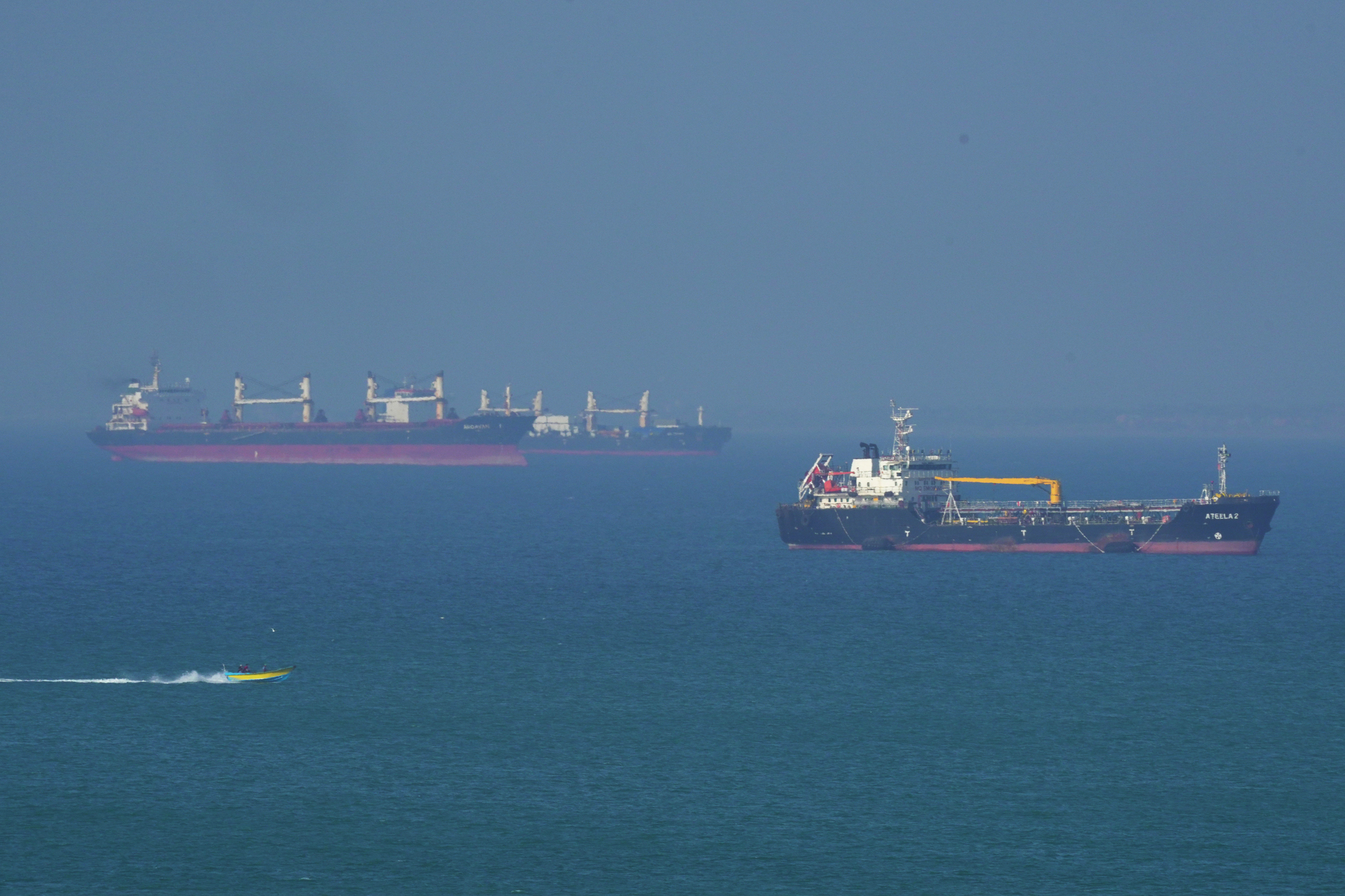
- Iran's blockade of the Strait of Hormuz erased roughly 15 million barrels per day from circulation and cut off nearly 20 percent of globally traded oil at the start of the 2026 war.
- The International Energy Agency coordinated a historic release of around 400 million barrels from strategic reserves across more than 30 countries—equivalent to about 20 days of pre-blockade Hormuz supply.
- China stopped buying oil for its strategic reserve and idled its domestic refineries, pivoting to coal and solar for power generation and freeing up roughly 5 million barrels per day for the world market.
- More than 100 countries enacted conservation measures, with the Philippines, Pakistan, and Sri Lanka shifting to four-day work weeks, Myanmar restricting gas vehicles by license plate number, and Bangladesh capping air conditioning at 77 degrees Fahrenheit.
- Shortages of helium, sulfur, and fertilizer are rippling beyond crude oil, threatening Asian rice harvests and feeding inflation in products from nickel to semiconductors.
- Bob McNally, founder of Rapidan Energy Group and a former Bush White House oil adviser, warned that the first round's 'tricks' have worn off and that 'prices will have to do more of the work' as demand proves inelastic.
Why it matters: With the U.S.-Iran ceasefire collapsed and the Strait of Hormuz closed again, the cushion that averted Round 1 is gone: most emergency stockpiles are nearly depleted and the U.S. strategic petroleum reserve is straining structurally. U.S. gasoline inventories sit at decade lows entering peak summer driving, and McNally says the world will now need sharply higher prices to ration demand it cannot otherwise shrink.
Ask SkimNews