NY Fed: Inflation Expectations Jump to 3.42% on Gas — SkimNews
Get the Finance newsletter
Daily finance — markets, central banks, M&A, the prints that move money. Free.
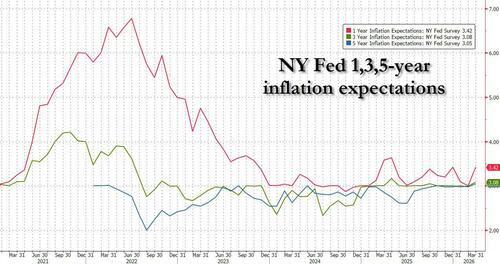
- NY Fed survey reported one-year inflation expectations climbing to 3.42% in March from 3.00% the prior month, matching the highest reading since April 2025 and coming ahead of Friday's CPI release.
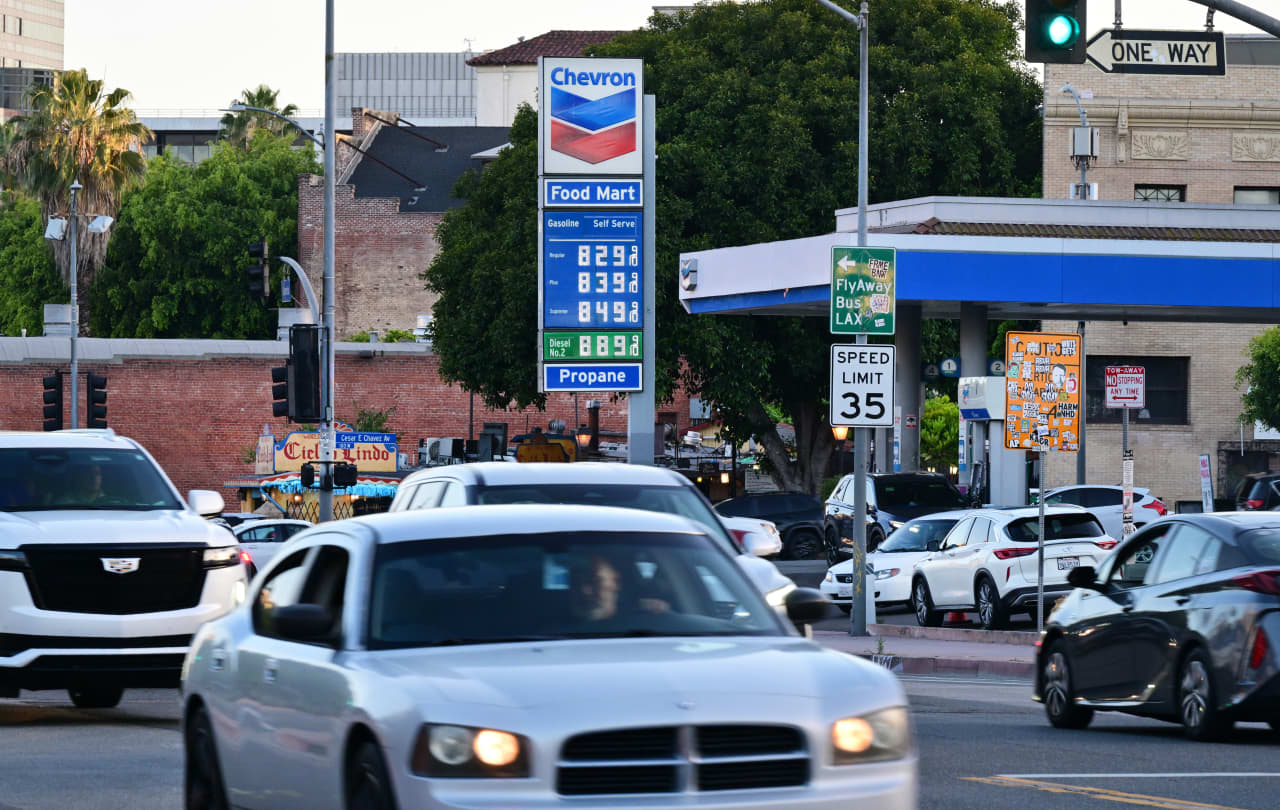
- Gas price expectations surged 5.3 percentage points to 9.4% — the highest since March 2022 — and were the primary driver of the headline jump in inflation expectations.
- Other commodity expectations also rose, though more modestly: food 6%, medical costs 9.7%, college education 9%, and rent 7.1%, while three-year inflation expectations edged up 0.1% to 3.1% and five-year expectations held flat at 3.0%.
- Labor market sentiment deteriorated, with the mean probability respondents assign to higher U.S. unemployment a year from now rising 3.6 percentage points to 43.5% — the highest reading since April 2025.
- Job-loss anxiety climbed as the perceived probability of losing one's job in the next 12 months rose 0.6 percentage points to 14.4%, and the expected quit rate jumped 2.4 percentage points to 18.3%, while the probability of finding a new job rose 1.9 percentage points to 45.9% but stayed below its 12-month trailing average of 47.5%.
- Household financial perceptions worsened both year-over-year and year-ahead, with the share of households expecting a worse financial situation a year from now reaching its highest level since April 2025.
- Fiscal and market expectations also soured: median expected year-ahead growth in government debt rose 0.6 percentage points to 9.8%, well above the 12-month trailing average of 7.4%, and the perceived probability that U.S. stock prices will be higher in 12 months fell 1.6 percentage points to 36.3%.
Why it matters: Friday's CPI report lands against a backdrop where consumers themselves are bracing for a gas-driven inflation spike — 3.42% one-year expectations matching the highest since April 2025, with gas at 9.4%, the worst since March 2022. Simultaneously, 43.5% of respondents see higher unemployment ahead, also an April 2025 high, and household financial pessimism reached its highest share since April 2025, giving the Fed a deteriorating sentiment picture on both prices and jobs.
Ask SkimNews