Moderna, Merck say mRNA cancer vaccine slowed melanoma recurrence — SkimNews

Get the Health newsletter
Daily health & science — research, biotech, public health, the studies worth knowing. Free.
- Moderna and Merck say intismeran + Keytruda slowed melanoma recurrence in the first randomized Phase 3 neoantigen cancer vaccine trial — no efficacy figures releasedlink ›
- HHS opens 30-day public comment window on reshaping childhood vaccine policy, including possible new recommendation tiers beyond universal, risk-based, and shared clinical decision-makinglink ›
- Trump signs executive order on childhood vaccination changes with RFK Jr. in the Oval Office, then Kennedy pivots to a homeless-shelter chapel in LA behind a 'Cancel Corruption' signlink ›
- ChatGPT fields 40M+ health questions a day from Americans, mostly outside clinic hours and almost never followed by a doctor visit, per the authorslink ›
- A JAMA Network Open test of 21 frontier models found correct diagnoses >90% of the time with full cases, but comprehensive differentials failed >80% of the time on initial-visit inputlink ›
- Character.AI is sued by Kentucky's AG over child sexual content and separately by Pennsylvania for alleged unlicensed medical practice; OpenAI faces eight family lawsuits including a suicide caselink ›
- University of Würzburg team shrinks light-driven nanorobots below one micrometer — roughly 50x smaller than a human hair — capable of capturing, carrying, and releasing bacterialink ›
- University of Iowa fMRI study of 38 adults finds the frontoparietal cortex dynamically rewires which regions it talks to under uncertainty, not just turning up activitylink ›
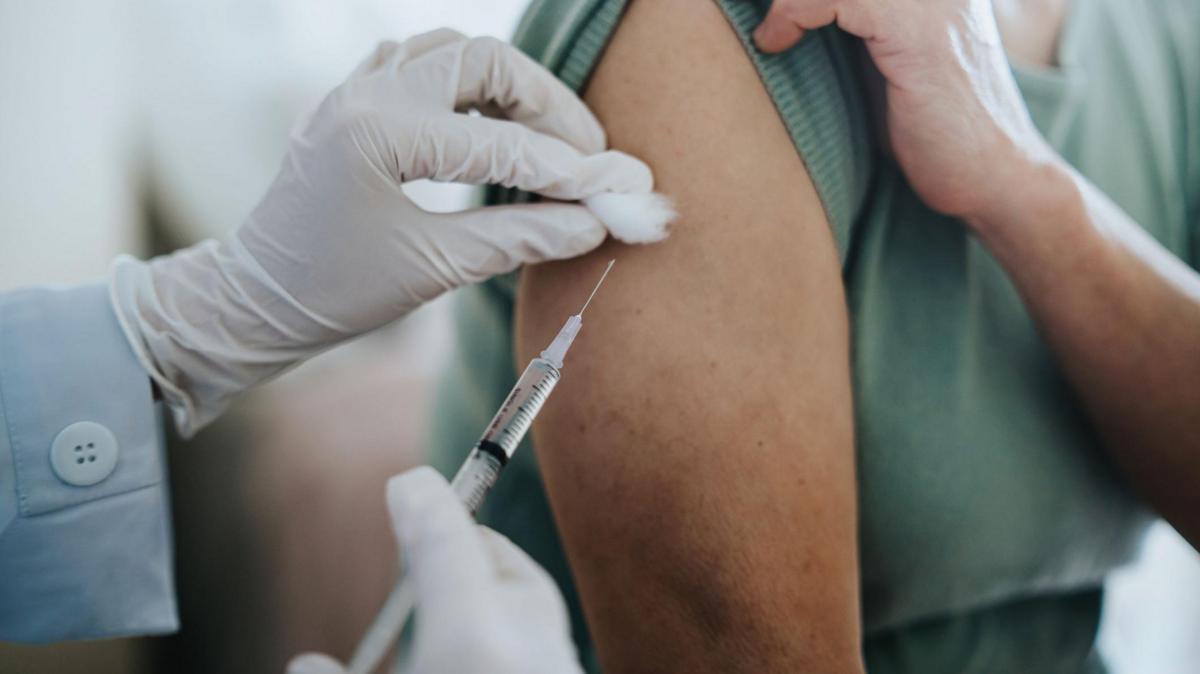
Merck and Moderna said Wednesday that their personalized mRNA neoantigen vaccine, intismeran, slowed melanoma recurrence in the first randomized Phase 3 trial ever run for a neoantigen cancer vaccine, combined with Keytruda as adjuvant therapy after surgery. The result puts mRNA firmly on the oncology map, though the companies withheld efficacy numbers, making the win directional rather than decisive. The same week, HHS opened a 30-day public comment window on overhauling childhood vaccine policy alongside a Trump–RFK Jr. executive order, and pediatricians kept flagging chatbots grooming minors and missing comprehensive differentials over 80% of the time on initial-visit data. The platform science is advancing faster than the regulatory and ethical scaffolding around it.
The stories behind this week
STAT+: Moderna and Merck say mRNA cancer vaccine succeeded in late-stage melanoma trialMelanoma patients facing recurrence after surgery stand to gain a new adjuvant option if results replicate in full data, and the win establishes mRNA as a credible oncology platform beyond infectious-disease vaccines. Neither side has disclosed efficacy figures or a regulatory timeline yet, so the announcement is directional rather than confirmatory.

Brain's decision hub rewires under uncertaintyThe work reframes how scientists understand flexible cognition: hard problems appear to be solved by reorganizing network connections on the fly, not by working harder. This mechanistic detail gives researchers studying ADHD and schizophrenia a concrete integration process to investigate as a possible source of impaired behavioral regulation.
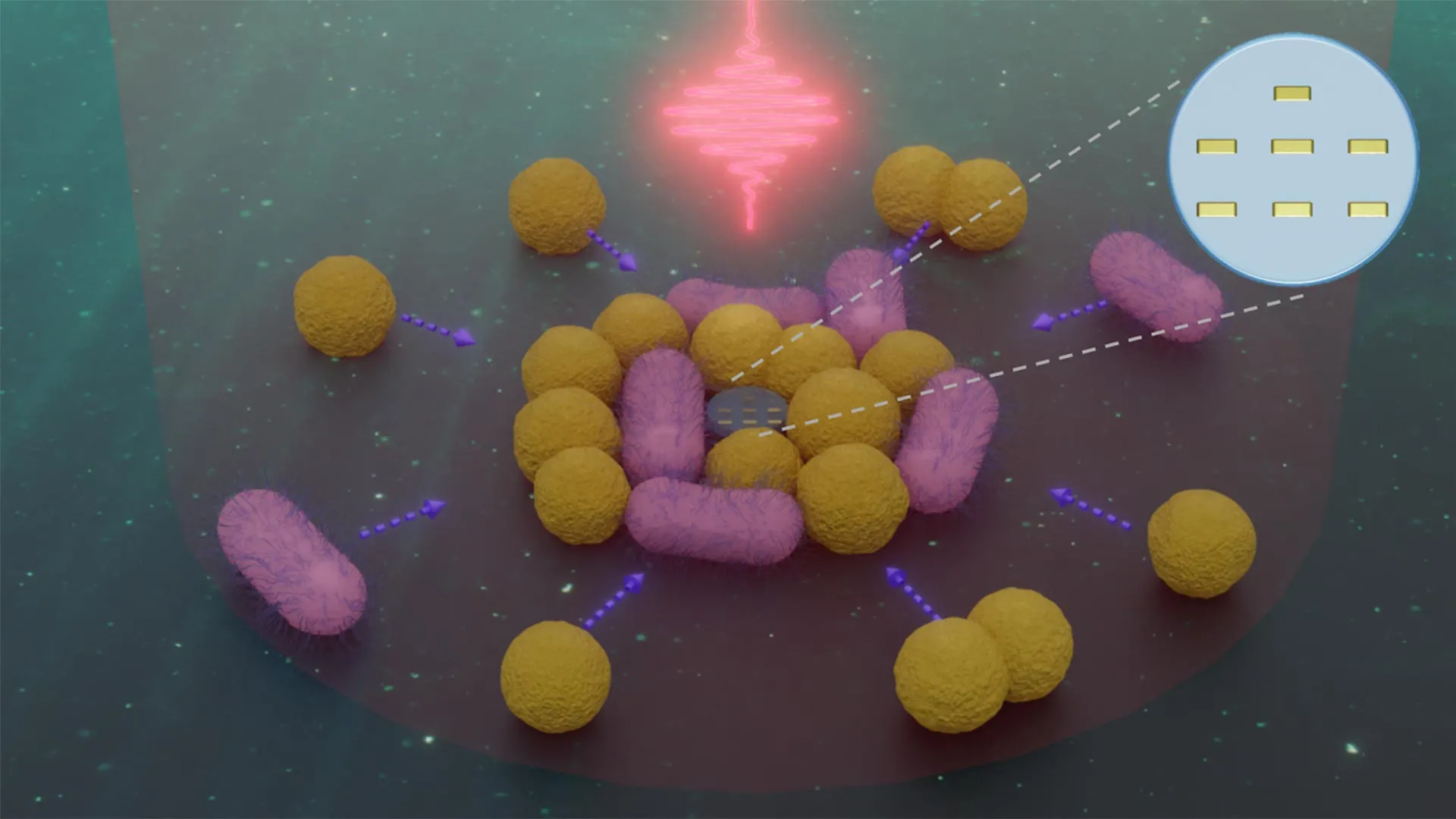
Light-Powered Nanorobots Hunt Bacteria in LiquidHecht's lab has demonstrated a working physical mechanism for actively manipulating individual cells and bacteria in liquid — a capability that has been a persistent challenge at the microscale. For microbiologists and biomedical researchers, this opens a path to hands-on handling of objects too small to manipulate directly, with potential uses in sample preparation and targeted micro-scale interventions.

AI Builds Shadow Medical System Outside HospitalsAI's strongest results come from controlled studies with complete clinical data, yet consumer health tools are deployed for the hardest real-world task: initial triage from scattered, unfiltered patient symptoms. With an 80%+ differential diagnosis failure rate from limited input and no accountability framework, these products risk guiding patients away from clinicians precisely when they need them most.

From anti-vax upbringing to vaccine empathy advocateMarnik's trajectory — from anti-vax evangelical upbringing to immunology Ph.D. to leading a collective of clinicians combating misinformation — presents empathy-based science communication as a deliberate alternative to fact-dumping. Her own source, sociologist Jennifer Reich, argues facts alone rarely change minds, giving Marnik's lived-experience approach a methodological foundation in a public health debate where persuasion has stalled.

Pediatrician: AI Chatbots Groom Patients Like PredatorsMultiple AI companies now face escalating legal exposure on a novel theory: that chatbots are active content creators, not passive platforms like those historically shielded by the Telecommunications Act of 1996. If courts adopt this framing, Character.AI, OpenAI, and xAI could face liability for generated content the way they would for human-perpetrated child abuse, threatening their current Section 230-style defenses.

Kennedy splits screen on health agenda in 24 hoursThe juxtaposition of Kennedy’s appearances reveals a strategic divergence in how public health policy is framed—technocratic reform in D.C. versus populist outrage on the West Coast—amplifying scrutiny over whether these stances can coexist under one national agenda. This split risks diluting policy coherence while energizing distinct political bases.

HHS Seeks Public Input on Childhood Vaccine OverhaulThis marks a formal step toward altering long-standing vaccine guidelines, with real policy changes now contingent on public response. The 30-day comment window creates urgency for stakeholders—pharmaceutical companies, health providers, and advocacy groups—to influence a framework that shapes national immunization practices.
Why it matters: The Moderna-Merck result is the first Phase 3 proof that a personalized mRNA neoantigen vaccine can deliver clinical benefit in a hard oncology indication, and if the unpublished efficacy holds up, mRNA oncology moves from speculative platform to standard drug development.
Ask SkimNews